






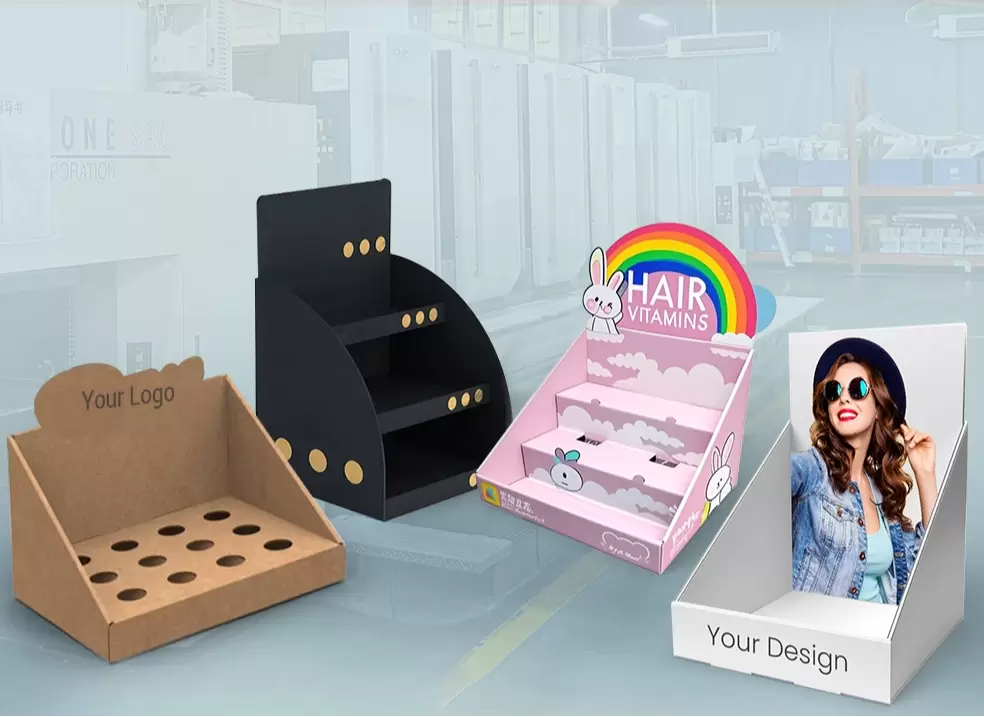
Design Considerations for Cardboard Display Boxes
When designing cardboard display boxes, there are many aspects to pay attention to. Here are some of the main design points:
1. Clarify the Purpose of Display and Product Features
First, it is necessary to understand the purpose of the display box, whether it is for retail store display, promotional activities, or product display exhibitions. Different usage scenarios have different functional and design requirements for display boxes.
Have a deep understanding of the characteristics of the product to be displayed, including the shape, size, weight, color, and texture, as well as the product's selling points and target audience. For example, for fragile items, the display box needs to have a good protective structure; for children's products, the design style should be lively and interesting to attract the attention of children and parents.
2. Structural Design
Stability
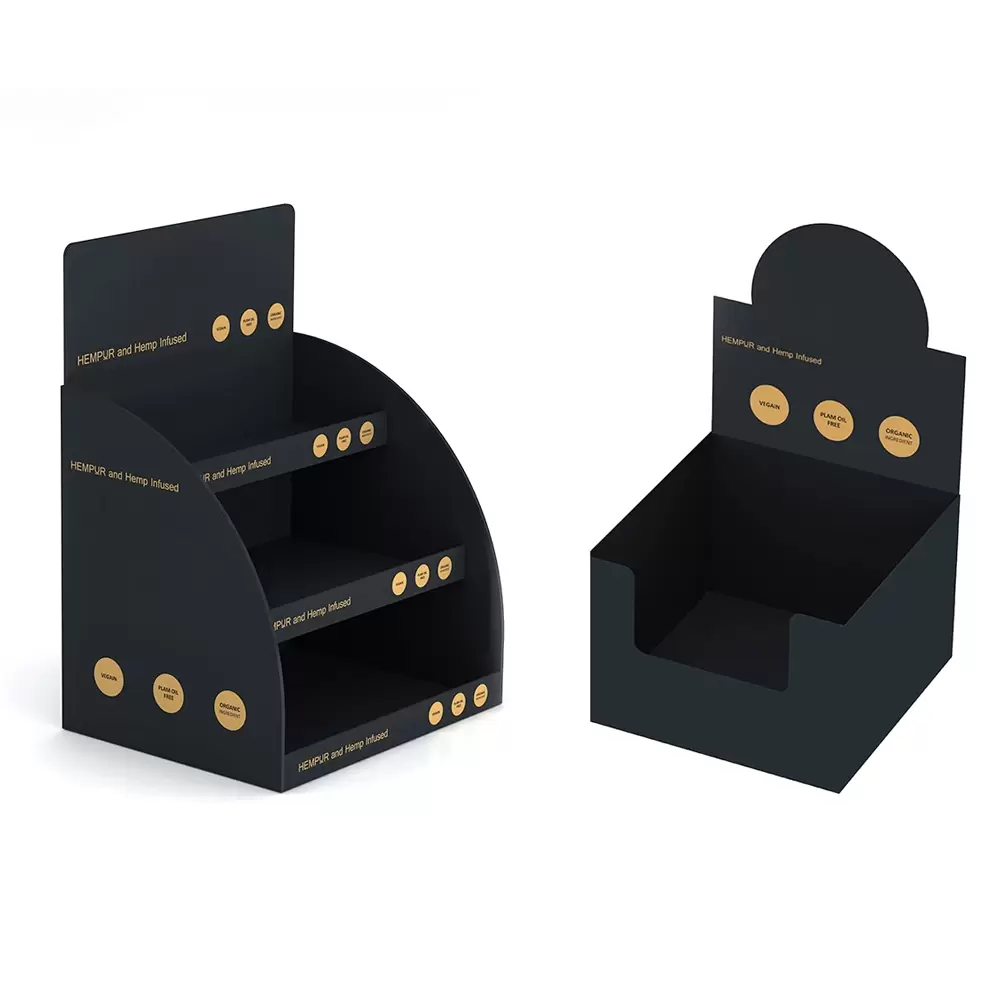
Ensure that the display box can stand stably and bear the weight of the product, especially when displaying heavier or larger products. Stability can be improved by reasonably designing the bottom structure of the box, adding support points, or using reinforcing materials.
Displayability
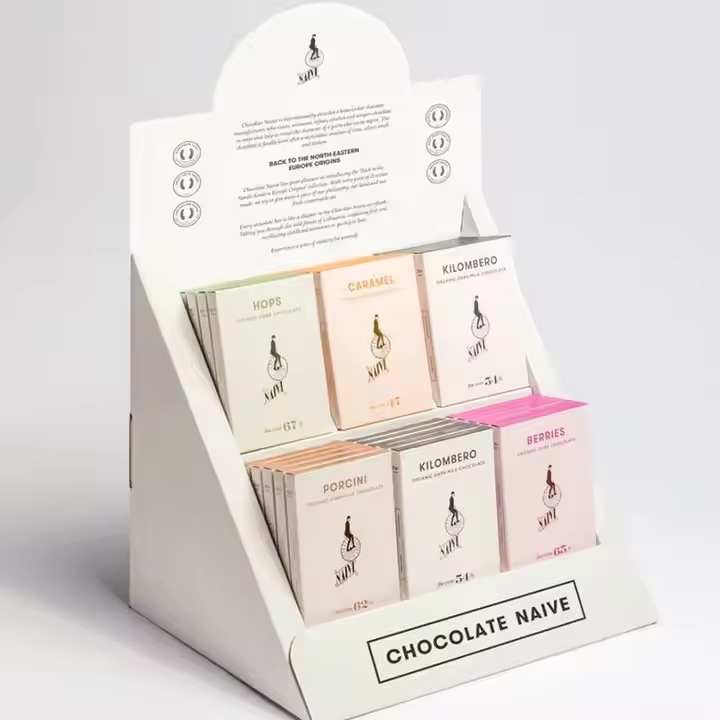
Design a structure that facilitates product display, such as window design and foldable or rotatable parts, so that consumers can see the appearance and details of the product. The size and position of the window should be determined according to the key display part of the product, and the reinforcement of the window should be considered to prevent the edge from breaking.
Convenient Access
If the display box requires consumers to take the product by themselves, a structure that is easy to open and close should be designed, such as an easy-tear mouth, a magnetic seal or a buckle seal, etc. At the same time, the structure should not be too complicated to avoid causing trouble to consumers.
3. Size Design
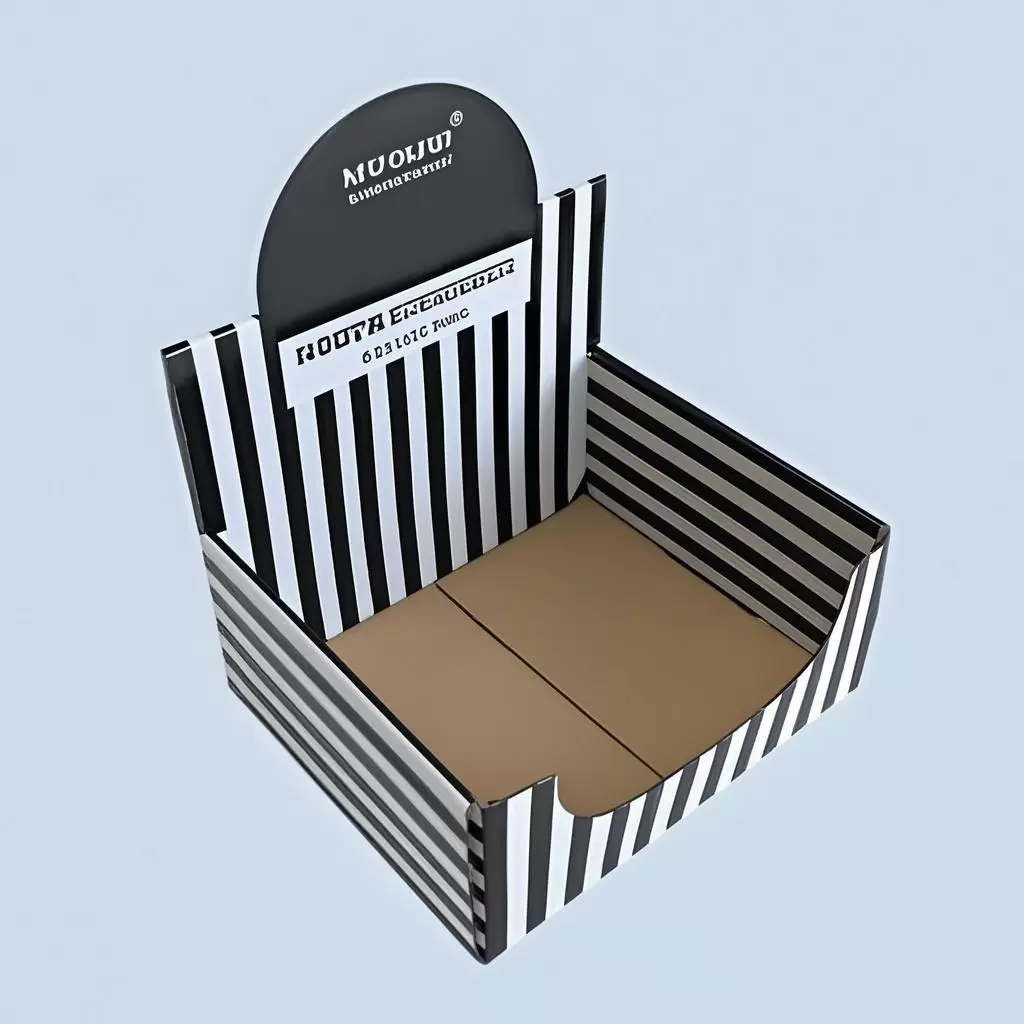
Accurately measure the size of the product, including the length, width, height, and the size of the product after packaging, to ensure that the internal space of the display box can just accommodate the product and is not too loose to cause the product to shake in the box nor too compact to affect the placement and removal of the product.
Consider the placement of the display box on the shelf or display table and the matching with other display boxes or products around it, and reasonably design the overall size and appearance proportion of the display box to make it have good visual effects and space utilization in the display environment.
4. Graphic and Color Design
Brand Consistency
The graphics and colors of the display box should be consistent with the brand image, including the use of the brand's standard colors, logos, brand fonts, etc., to enhance the brand's recognition and communication effect.
Attract Attention
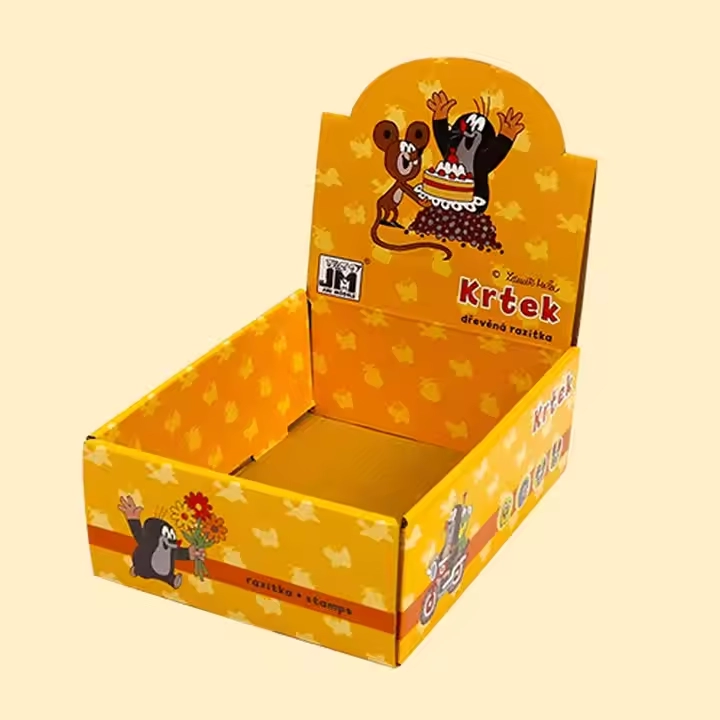
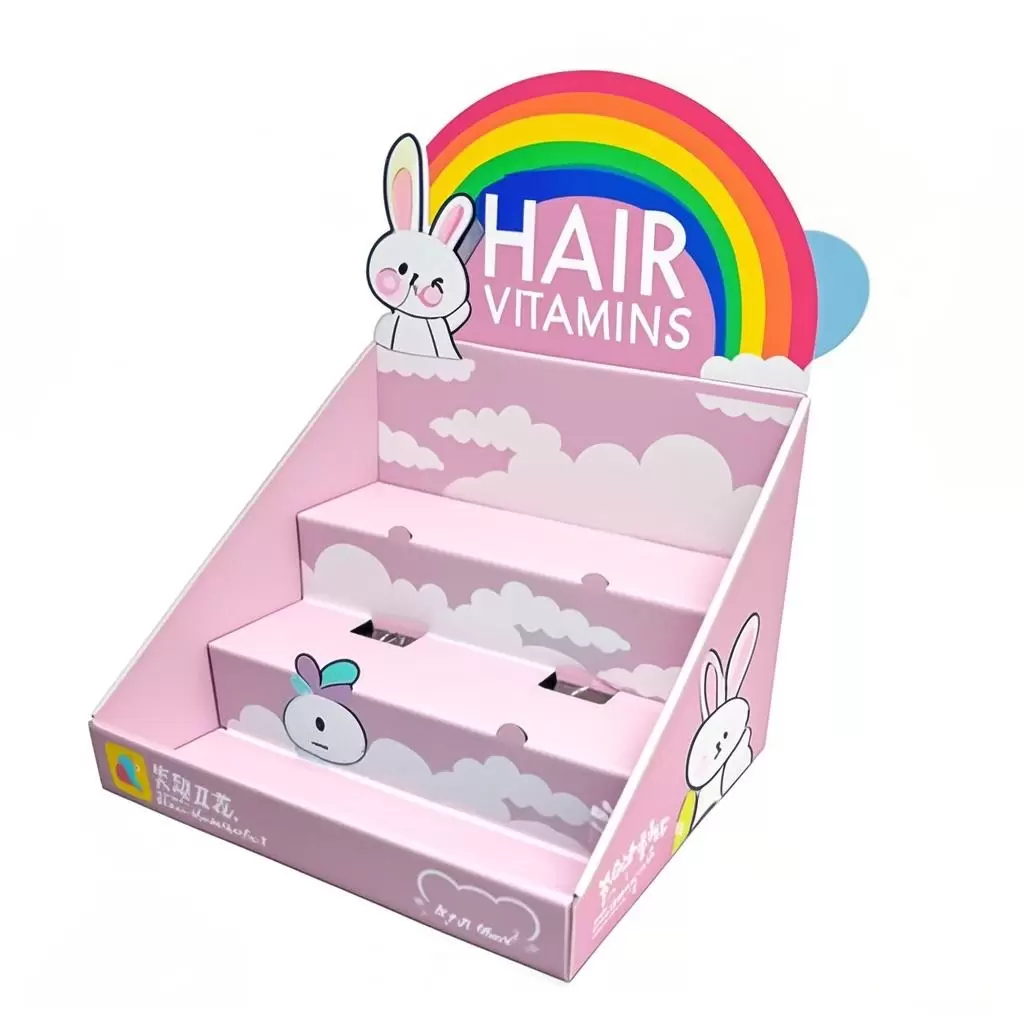
Use eye-catching color matching and unique graphic design to attract consumers' attention. You can choose the appropriate color scheme according to the characteristics of the product and the preferences of the target audience, such as bright and lively colors are suitable for children's products, and steady and deep colors are suitable for high-end business products. The graphic design should be concise and clear, highlighting the key information and selling points of the product, and avoiding overly complex patterns and text to avoid visual confusion.
Product Association
Use graphics and colors to convey relevant information about the product, such as using colors similar to or related to the product color or showing the product's usage scenarios, functional features, etc. in the graphics to help consumers better understand the product.
5. Material Selection
Choose the appropriate cardboard material based on factors such as the weight, size, display time, and environment of the product. Generally speaking, grayboard or whiteboard with a thickness of 1.5–3.0 mm is more commonly used. For heavier or larger products, you can choose thicker cardboard or use a multi-layer cardboard composite structure.
Consider the surface treatment of the material, such as whether lamination, glazing, hot stamping, etc. are needed to improve the texture and durability of the display box while enhancing its waterproof, moisture-proof, and wear resistance. For example, matte lamination is suitable for creating a high-end, low-key texture, while glossy lamination can make the display box more colorful and eye-catching.
6. Text Information Design
Key Information Highlights
Clearly indicate the product name, brand, specifications, features, usage, and other key information on the display box to ensure that consumers can quickly obtain these important contents in a short time. The size, font, and color of the text should be coordinated with the overall design, and it should be clear and readable at different display distances and lighting conditions.
Be Concise and Clear
Avoid too many lengthy text descriptions, and try to express the core information and selling points of the product in concise and easy-to-understand language. You can use bullet points or slogan text to highlight the unique advantages and value of the product.
Reasonable Layout
The layout of the text should conform to people's reading habits. Generally speaking, important information such as brand name and product name should be placed in a prominent position, such as on the front of the display box; other information such as specifications, ingredients, instructions for use, etc. can be arranged on the side or back in order of importance and logical order.
Cardboard Display Box Specification Checklist for Buyers
Display Purpose
Confirm whether the display box is used for retail store display, promotional activities, product display exhibitions, shelf placement, or branded point of sale presentation.
Product Fit
Review product shape, size, weight, color, texture, selling points, target audience, fragility, and whether the product needs easy access or protective support.
Structure Strength
Plan stability, bottom structure, support points, reinforcement materials, display window, foldable or rotatable parts, easy-tear mouth, magnetic seal, or buckle seal.
Material and Finish
Choose grayboard or whiteboard, 1.5–3.0 mm thickness, thicker cardboard, multi-layer cardboard composite structure, lamination, glazing, hot stamping, matte lamination, or glossy lamination.
One-Stop Cardboard Display Boxes Packaging Path
For B2B packaging buyers, cardboard display boxes connect product display purpose, shelf visibility, structural stability, material thickness, brand graphics, product information layout, retail environment, flat shipping, and assembly efficiency into one purchasing path. This page helps buyers move from the Display Boxes category to product-specific options such as custom printed cardboard display boxes, custom cardboard display cases, and retail cardboard display boxes, then confirm structure, size, material, graphics, surface treatment, and text layout before factory inquiry.
The procurement path is closed around practical retail decisions: define the product display scene, measure the product size, check weight and fragility, choose the cardboard structure, confirm display windows or access method, match brand colors and logo placement, select cardboard material and finishing, and prepare the display information that consumers need to read quickly in stores or promotional environments.
Why Choose HengXing?
Hengxing Packaging is a one-stop facility that offers personalized packaging solutions, including design support, FSC material direction, eco-friendly ink printing, OEM and ODM customization, and factory-based packaging production.

Free Design Support
We offer free of charge design support for flawless packaging boxes.

100% Environmental-Friendly
FSC Material and Eco-Friendly Ink Printing. Recyclable Packaging for Sustainability.

Custom OEM & ODM
Customized Logo, Shape, Size, and Style. One-Stop Packaging and Printing Solution.

30+ Years Factory Experience
200+ Workers, 14 People R&D Personnel, 19000+ Square Meters, Professional Laboratory and Printing Machine.
Cardboard Display Boxes FAQ
What are custom cardboard display boxes used for?
Custom cardboard display boxes are used for retail store display, promotional activities, product display exhibitions, shelf presentation, product visibility, and brand communication in retail environments.
Which display box products are included in this category?
This category includes custom printed cardboard display boxes, custom cardboard display cases, and retail cardboard display boxes.
Which product details should be checked before display box design?
Product shape, size, weight, color, texture, selling points, target audience, fragility, shelf placement, and display purpose should be reviewed before design.
Which materials and surface treatments are mentioned?
The page mentions grayboard, whiteboard, 1.5–3.0 mm cardboard thickness, thicker cardboard, multi-layer cardboard composite structure, lamination, glazing, hot stamping, matte lamination, and glossy lamination.
How do cardboard display boxes help brand communication?
Display boxes can use brand colors, logos, brand fonts, graphic design, product information, specifications, features, usage, and key selling points to help consumers quickly understand the product and strengthen brand recognition.