





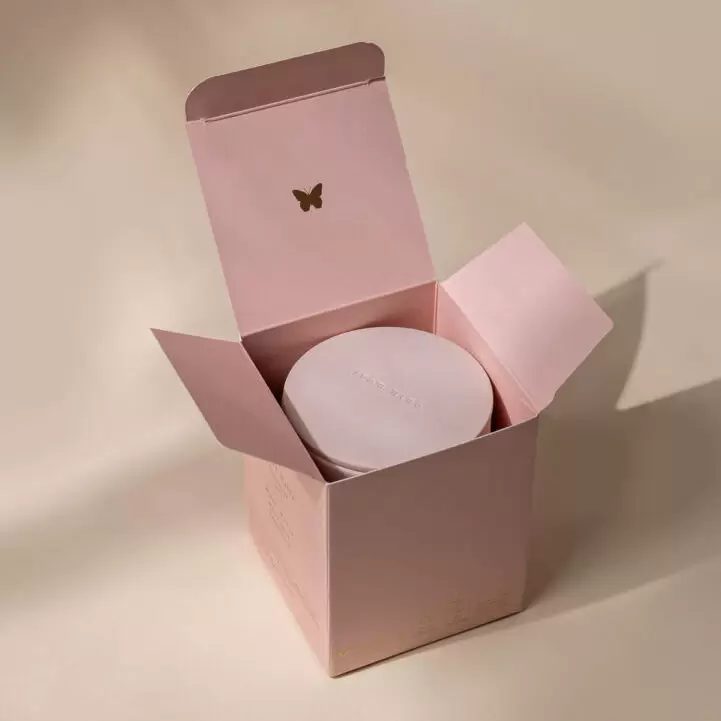
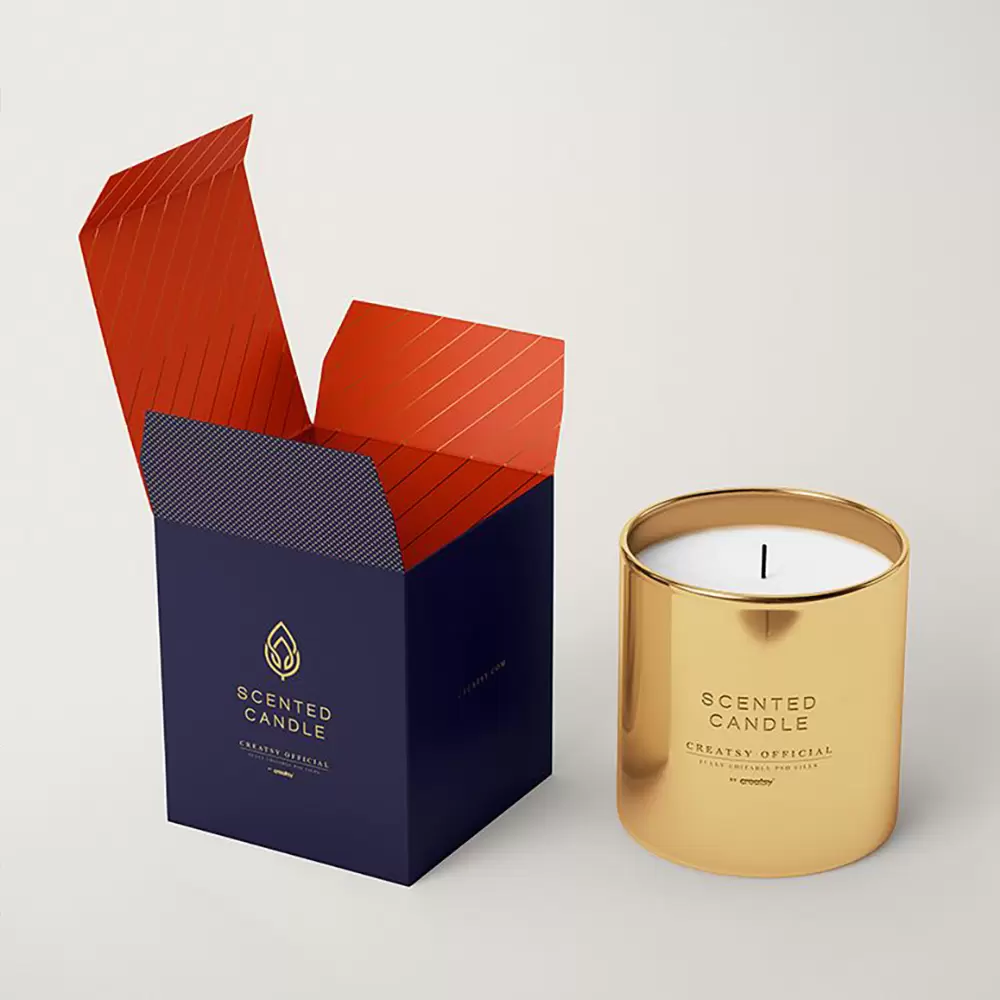
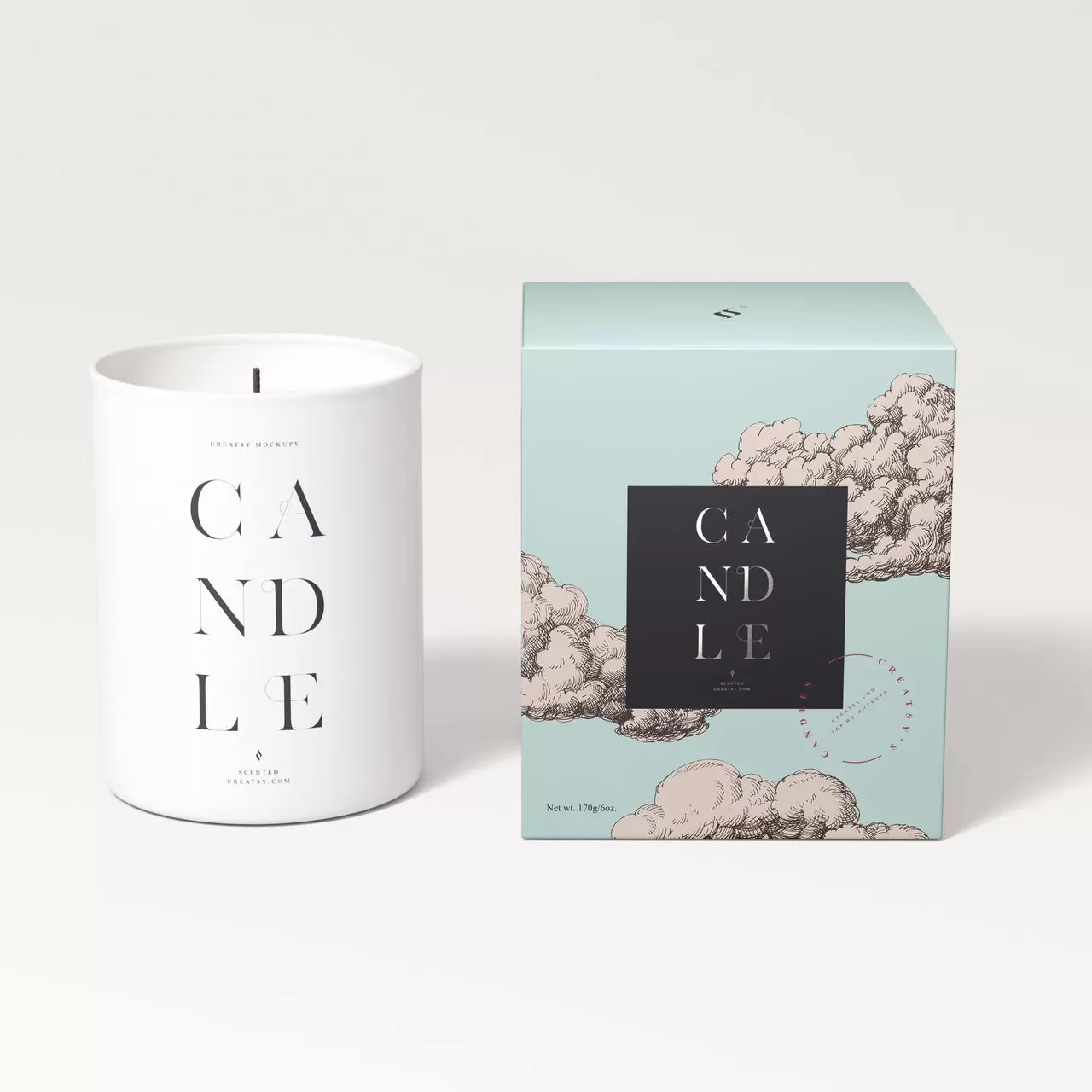
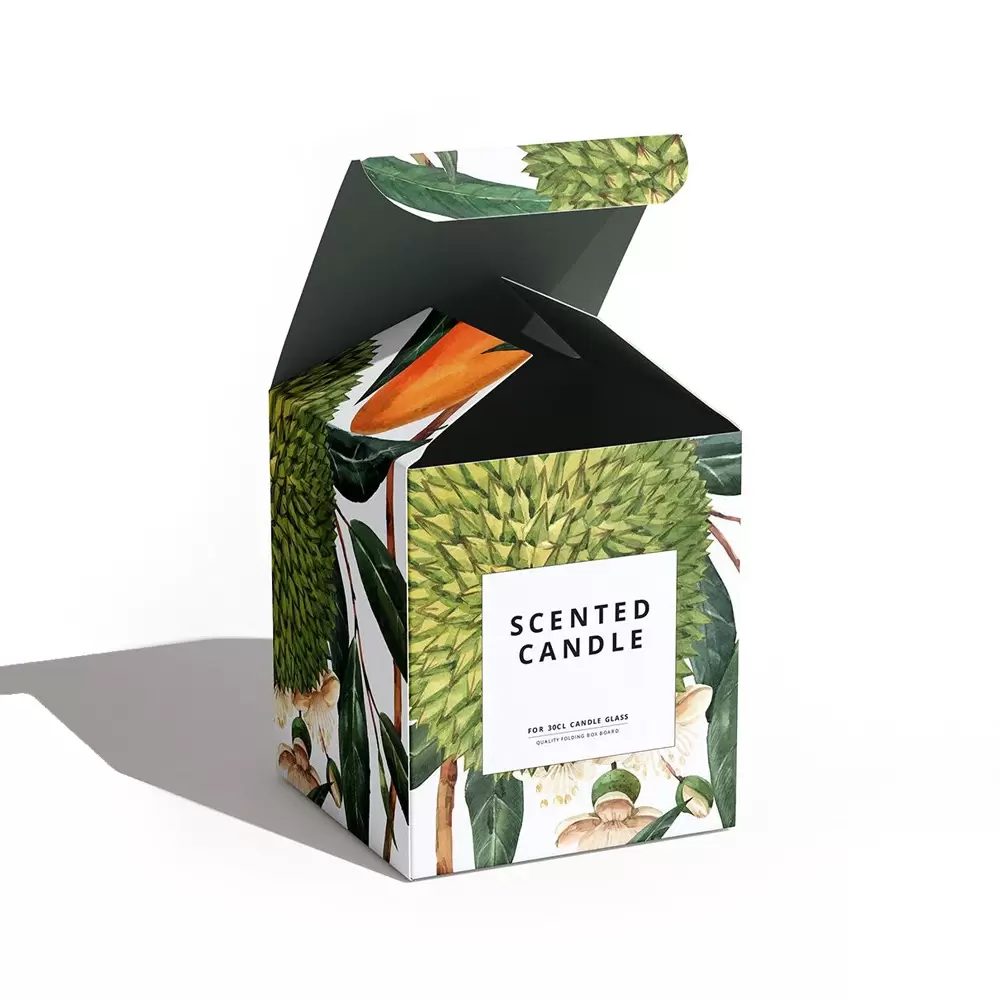
Custom Tuck End Boxes Solution
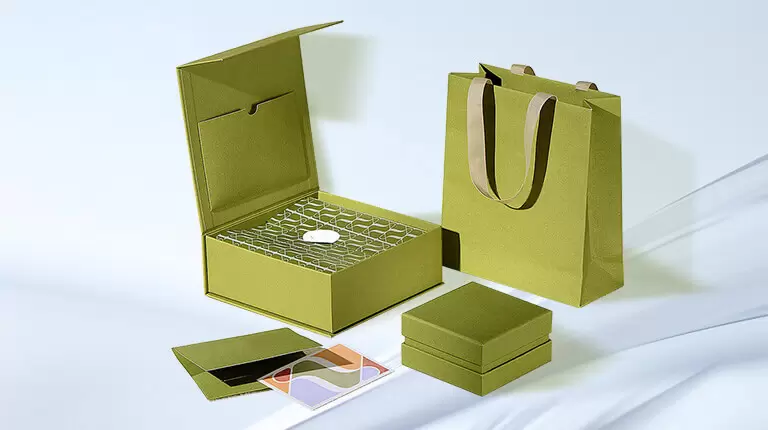
Are you worried about the high cost of product packaging and the easy damage during transportation? Is your product not popular on the shelf because of the lack of personality in the packaging design? Custom tuck end boxes provide a one-stop solution to these problems. With its flexible design, excellent protection performance, and high cost performance, it has helped countless brands improve their competitiveness and open a new chapter of growth.
I. Design Customization
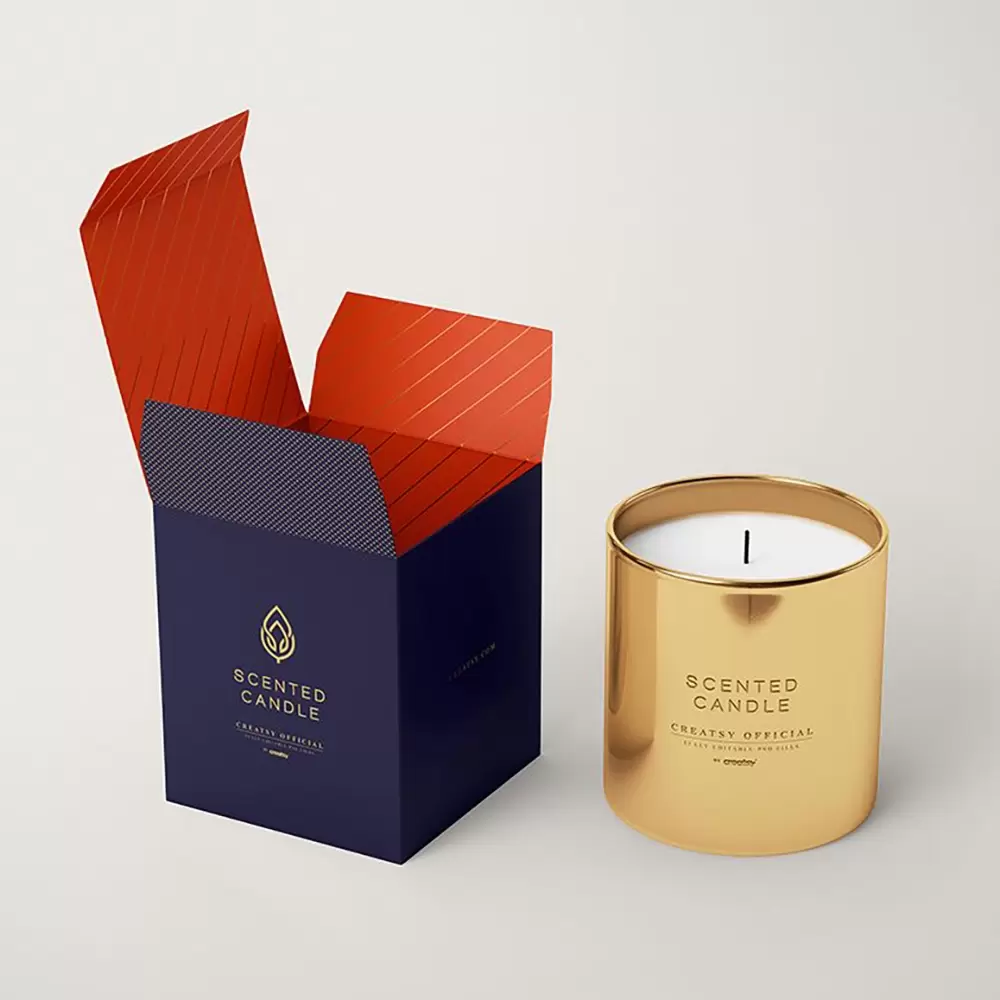
Accurate Size Planning
Professional Measurement
Arrange an experienced measurement team to conduct meticulous measurements of the product to be packaged, covering the length, width, height, and any special structural dimensions of the product. Use high-precision measurement tools, such as electronic calipers, laser rangefinders, etc., to ensure that the data is accurate. For example, for irregularly shaped electronic product accessories, the measurement team will use 3D modeling software to accurately capture its contour dimensions, providing a reliable basis for custom tuck end boxes.
Space Optimization
Based on the measurement data, use advanced CAD design software to carefully plan the internal space of the box. According to the characteristics of the product, reasonably design the internal compartments, slots, or buffer structures. For example, for packaging multiple small parts, design a flexibly removable partition board, which can effectively fix the product and prevent collisions during transportation, and make full use of the box space to avoid overpackaging.
Series Design
For customers with a series of product packaging needs, develop a universal tuck end box design solution. By adopting adjustable or modular internal structures, such as sliding partitions and replaceable liners, the packaging requirements of products of different sizes in the same product line can be met. This not only reduces the packaging costs of customers but also improves the overall consistency of brand packaging.
Diversified Box Design
Conventional and Innovative Box Types
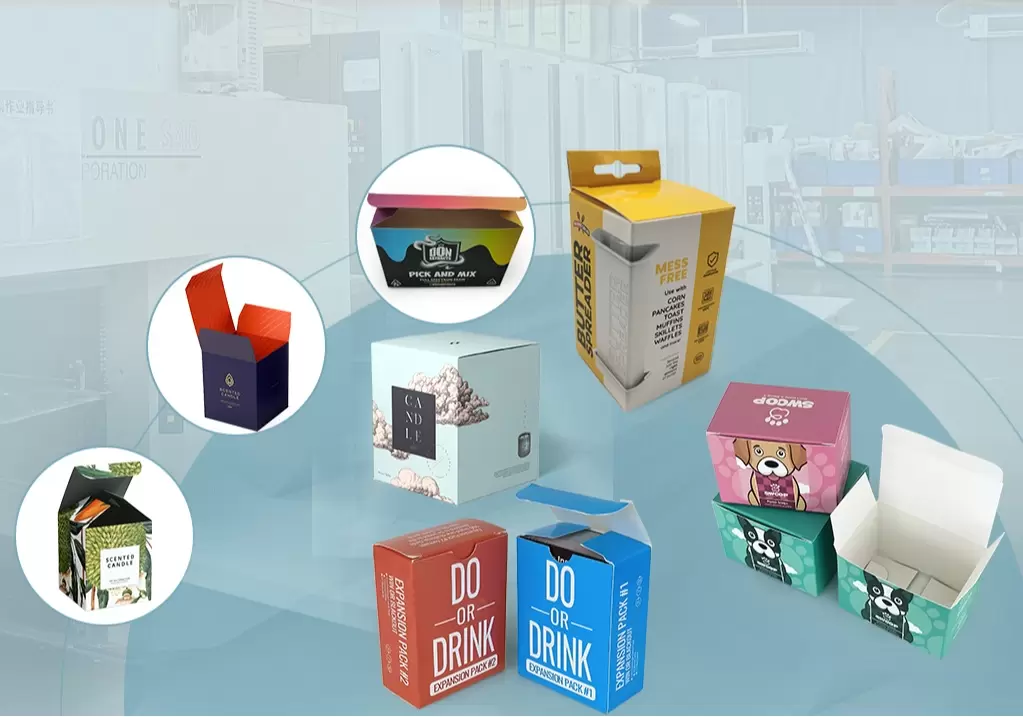
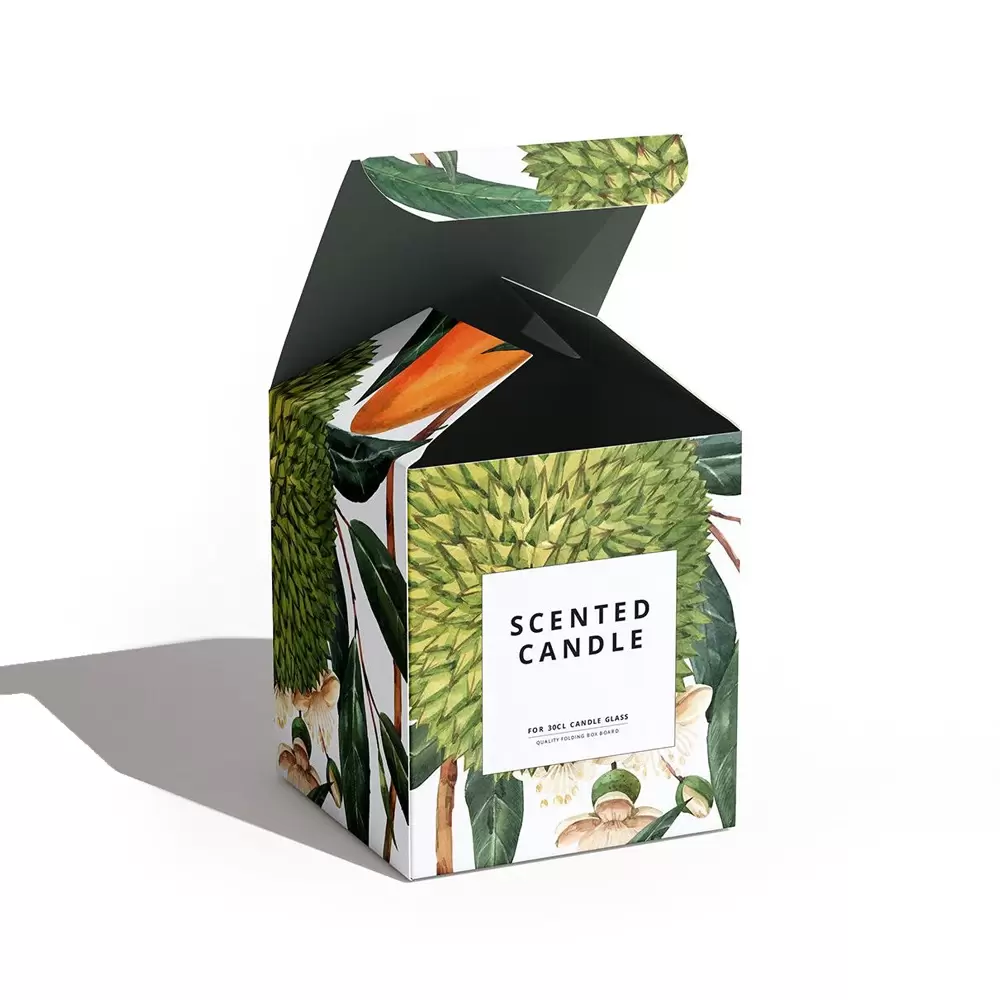
In addition to providing common rectangular and square tuck end boxes, unique special-shaped box types are also designed based on product characteristics and market positioning. For example, creative box types such as petal shapes and heart shapes are designed for cosmetics brands to enhance the visual appeal of products on the shelves; boxes that imitate the shape of products are designed for food packaging, such as fish-shaped tuck end boxes for fish snacks, which increase fun and recognition.
Convenient Opening and Display Design
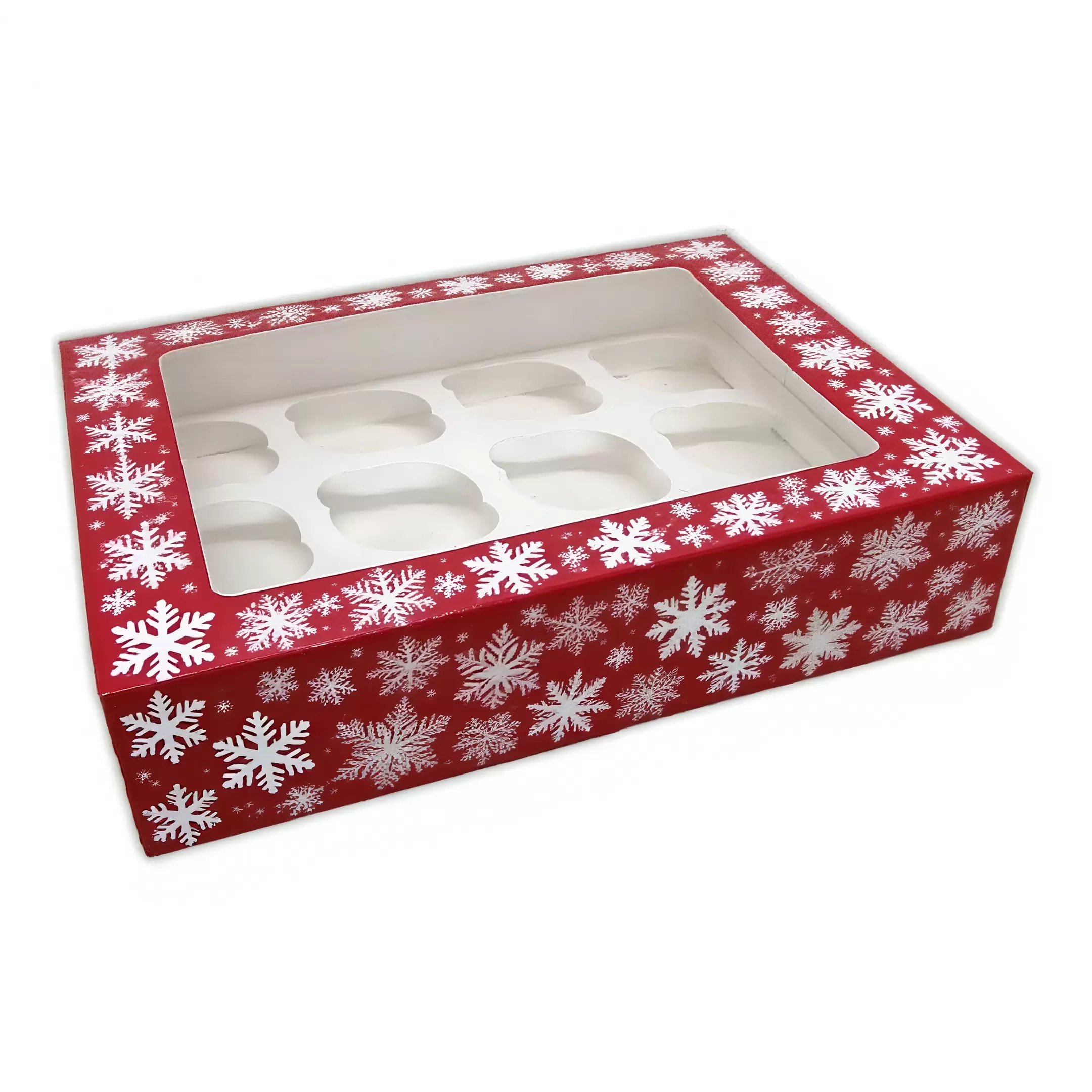
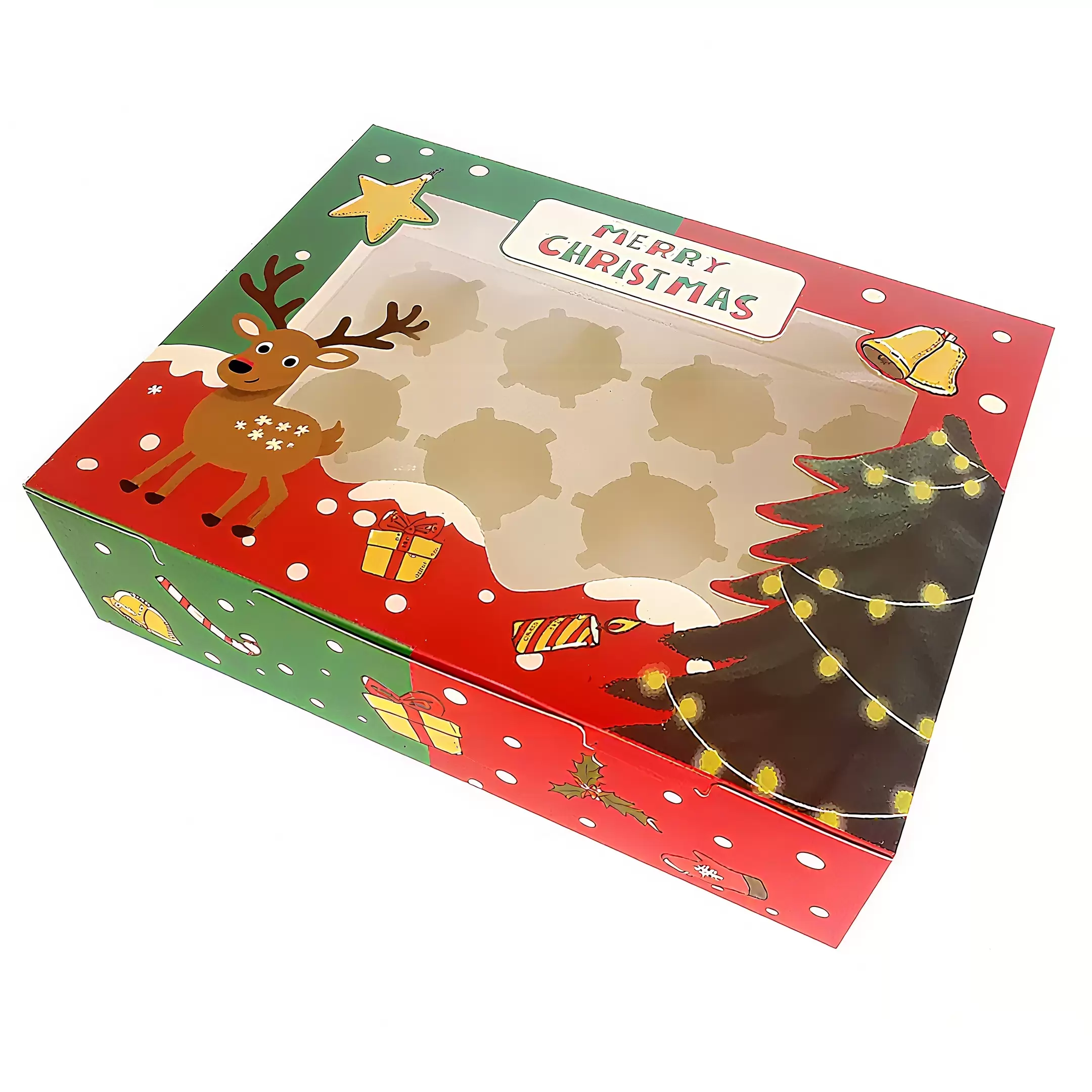
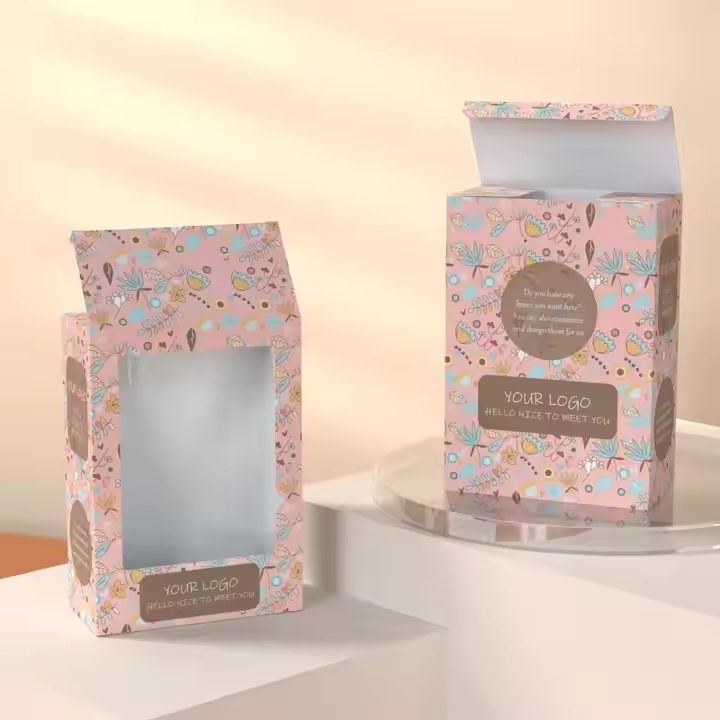
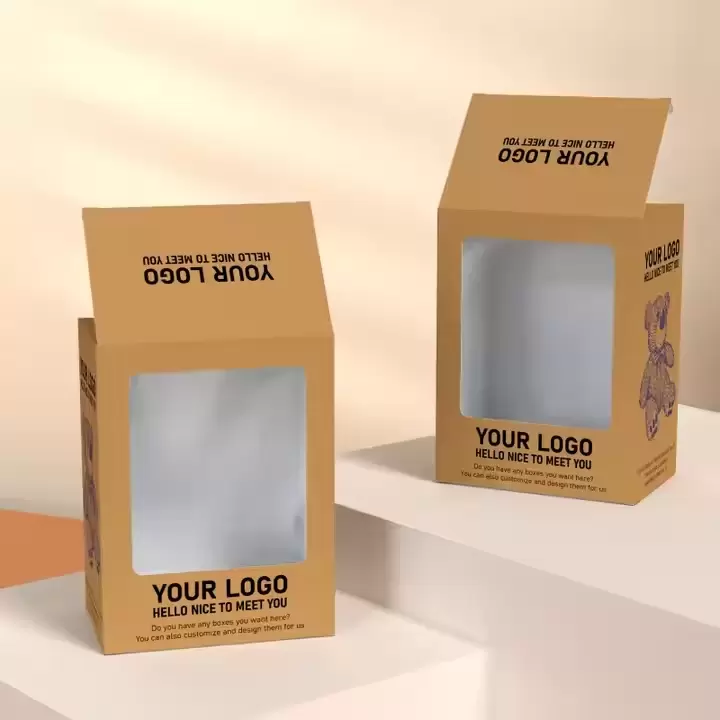
Focus on the innovation of the box opening method and design a structure that is easy for consumers to operate. For example, magnetic, press, zipper, and other opening methods are used to replace traditional simple buckles. The magnetic opening is convenient and has a certain adsorption force, which can enhance the high-end feel of the product; the zipper opening is novel and unique, bringing a novel experience to users. At the same time, design structures that facilitate product display, such as partially transparent windows and foldable display surfaces, so that consumers can see the product directly without opening the box.
Stacking and Transportation Optimization Design
Considering the efficiency of the product during storage and transportation, the stacking and transportation optimization design of tuck end boxes is carried out. Add stacking reinforcement ribs to improve the stability of the boxes when stacking and prevent them from collapsing and deforming. In terms of box design, use nestable or foldable structures to reduce transportation volume and logistics costs. For example, design foldable tuck-end boxes that can greatly save space when transporting empty boxes.
Personalized Pattern and Color Design
Brand Element Integration
A professional designer team communicates in depth with customers to fully understand the brand concept, product positioning, and target audience preferences. The key elements such as brand logos, slogans, and characteristic patterns provided by customers are cleverly integrated into the packaging design, and tuck end boxes with strong brand recognition are created through careful layout and creative expression. For example, the brand's iconic pattern is presented on the surface of the box with embossing or hot stamping technology to highlight the brand image.
Application of Color Psychology
Use the principles of color psychology to accurately match colors according to product characteristics and target markets. For children's products, choose bright and lively colors, such as bright yellow and pink, to attract children's attention; for high-end business gifts, use calm and atmospheric tones, such as dark gray and dark blue, to reflect the quality and grade of the product. Reasonable color selection enhances the visual impact of the product in the market and stimulates consumers' desire to buy.
Interactive Pattern Design
To increase the interactivity between products and consumers, design patterns with interactive elements. For example, design a scratch-off area on the surface of the box, and consumers can get discount codes, small gift information, etc. after scratching; or design AR interactive patterns, consumers can experience augmented reality product display or fun games by scanning the code with their mobile phones, which enhances the fun of the product and user participation.
II. Material Selection
High-Quality Cardboard Materials
Different Weights and Materials
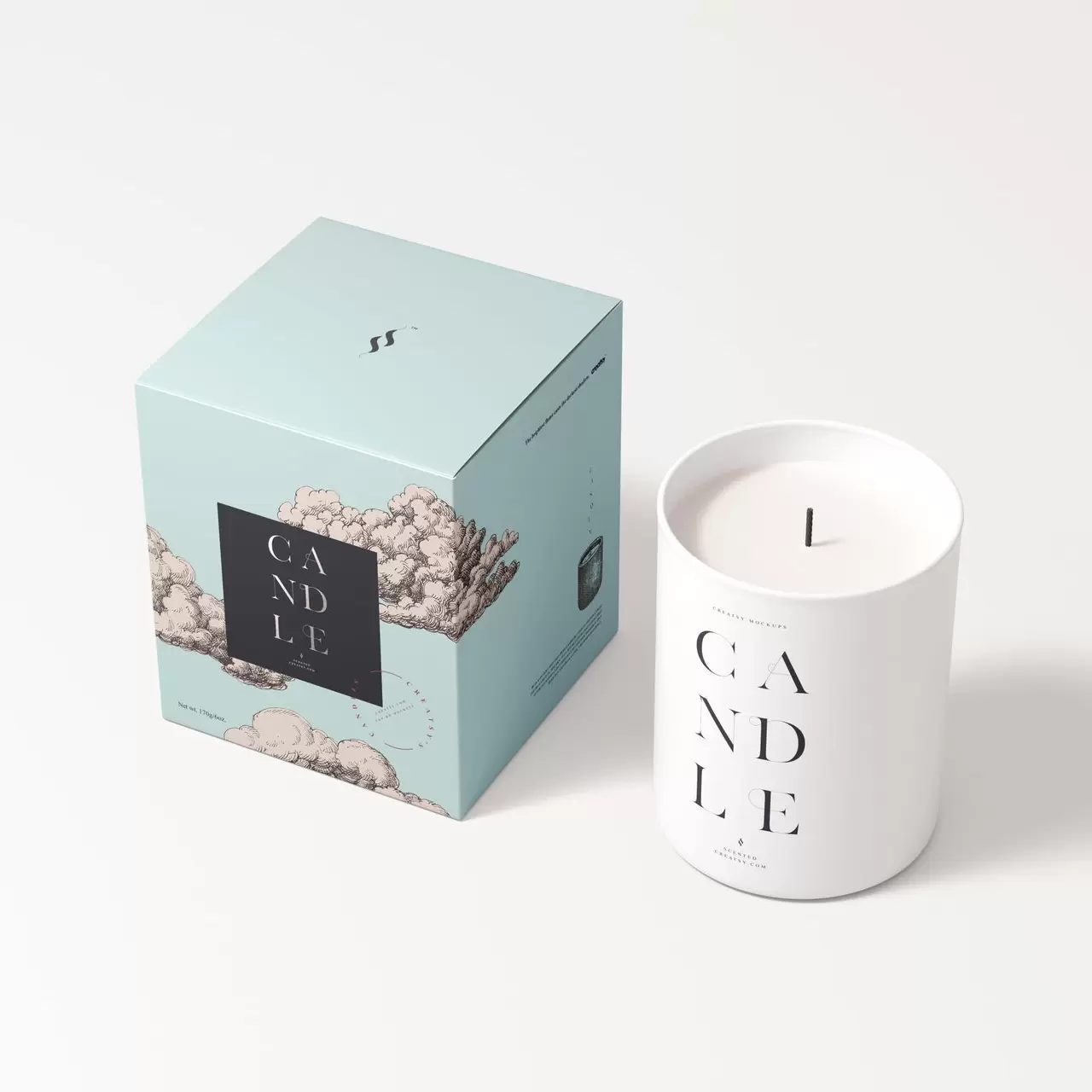
Provide a variety of cardboard options, including white cardboard, kraft cardboard, corrugated cardboard, etc., and each cardboard has a variety of weights to choose from. White cardboard is known for its high stiffness and good printability. Its surface is smooth and white, which is suitable for packaging high-end gifts, cosmetics, and other products. Kraft cardboard is environmentally friendly and durable, with natural and simple colors. It is often used for packaging simple styles or products with high environmental protection requirements. Corrugated cardboard has good cushioning performance and is an ideal choice for packaging electronic products, fragile items, etc.
Application of Special Cardboard
For customers who pursue unique texture and visual effects, special cardboard such as coated whiteboard, pearl paper, laser cardboard, etc. are introduced. Coated whiteboard can significantly enhance the gloss and brightness of the printed pattern, making the packaging more eye-catching; pearl paper has a soft pearl effect, adding a luxurious texture to the packaging; laser cardboard can present colorful laser patterns, enhancing the attractiveness and grade of the product.
Material Performance Test
When recommending materials, provide customers with detailed material performance test reports, including key indicators such as compressive strength, folding resistance, and water absorption of cardboard. By simulating the actual transportation and storage environment, the materials are strictly tested to ensure that the selected materials can meet the protection needs of product packaging. For example, for products that need to be transported over long distances and are susceptible to moisture, cardboard materials with good moisture-proof properties are recommended.
III. Printing and Surface Treatment
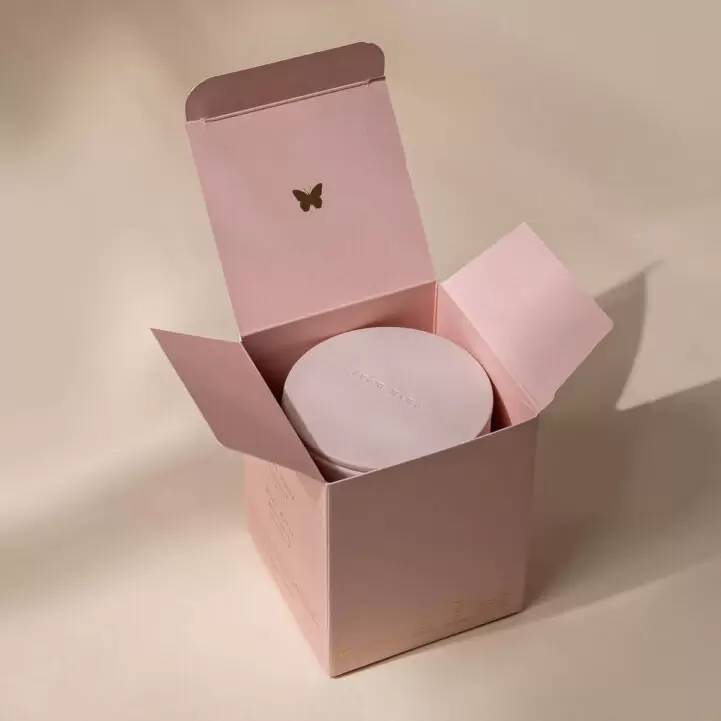
Advanced Printing Technology
High-Precision Offset Printing
The use of advanced offset printing equipment can achieve extremely delicate color transitions and clear and sharp pattern and text printing. Suitable for complex patterns, high-resolution images, and product packaging with extremely high printing quality requirements. Through a precise color management system, the printed color is ensured to be highly consistent with the design draft, meeting the customer's strict requirements for color reproduction. For example, for the packaging printing of products such as art paintings and photographs, offset printing technology can perfectly present their details and color levels.
Digital Printing Flexibility
The introduction of digital printing technology is especially suitable for small-batch customized orders. Digital printing does not require plate making, and can quickly achieve personalized printing, greatly shortening the production cycle and reducing costs. Customers can flexibly customize the printing content according to different marketing activities or product batches, such as printing different promotional information, limited edition numbers, etc. on the box. At the same time, digital printing can also realize variable data printing, printing unique content for each box, increasing the uniqueness of the product.
Screen Printing Special Effects
Use screen printing technology to create various special effects on the surface of tuck end boxes. For example, printing three-dimensional ink effects gives the pattern a distinct three-dimensional sense and touch; using fluorescent ink printing, it presents a striking fluorescent effect under specific light conditions, enhancing the visual impact of the packaging. For large-area field printing, the use of flexographic printing technology can not only ensure printing quality but also improve printing efficiency and ensure efficient production of products.
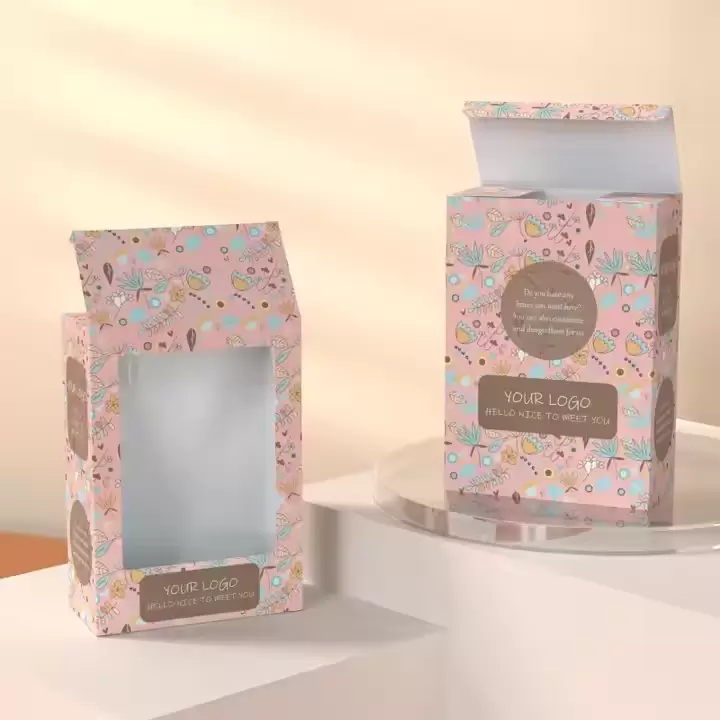
Diversified Surface Treatment
Film Protection and Decoration
Two film options are available: glossy film and matte film. Lamination can not only effectively protect the printed pattern and prevent it from being worn during transportation and storage, but also increase the wear resistance and waterproofness of the packaging. The glossy film makes the packaging surface bright and dazzling, which is suitable for products that pursue gorgeous effects; the matte film gives the packaging a high-end and restrained texture and is often used for high-end brand product packaging.
Hot Stamping, Silver Stamping and Embossing
Through the hot stamping or silver stamping process, metal-textured patterns or texts, such as brand logos, product names, etc., are hot stamped on the surface of the box, which significantly enhances the luxury and grade of the packaging. The embossing process gives the pattern and text a three-dimensional sense, enhances the sense of touch, and allows consumers to feel the unique texture when touching the packaging. For example, the brand logo is processed by hot stamping and embossing at the same time to make it more prominent and eye-catching.
UV Glazing and Local Effects
UV glazing can form a high-gloss protective film on the surface of the packaging, making the printed pattern brighter and more lustrous. At the same time, partial UV glazing can be performed, that is, glazing is performed on specific areas such as product images and brand logos to create a contrast effect and attract consumers' attention. It can also be combined with other surface treatment processes, such as partial UV glazing on hot stamping patterns, to further highlight key elements and create unique visual and tactile effects.
Tuck End Box Specification Checklist for Packaging Buyers
Product Fit
Confirm product length, width, height, special structural dimensions, and irregular contours before the tuck end box layout is designed.
Retail Function
Choose opening, display, window, partition, stacking, and folding structures according to shelf presentation, storage, and shipping requirements.
Board Selection
Select white cardboard, kraft cardboard, corrugated cardboard, coated whiteboard, pearl paper, or laser cardboard based on protection and brand display.
Print Finish
Plan offset printing, digital printing, screen printing, flexographic printing, lamination, hot stamping, embossing, and UV glazing according to artwork needs.
One-Stop Tuck End Boxes Packaging and Printing Path
For B2B packaging buyers, tuck end boxes connect retail display, product protection, carton material, folding structure, printing effect, surface finishing, and delivery efficiency into one purchasing decision. This page helps buyers move from the Tuck End Boxes category to product-specific options such as candle boxes, cookie boxes, cupcake boxes, toy gift boxes, and cardboard candle packaging, then verify design, material, printing, finishing, and transport requirements before factory inquiry.
The search intent is closed around practical buying steps: select the tuck end box type, confirm the packaged product, define size and internal support, choose cardboard material, match brand artwork and color direction, select surface treatment, and prepare production details for OEM or ODM packaging manufacturing.
Why Choose HengXing?
Hengxing Packaging is a one-stop facility that offers personalized packaging solutions, including design support, FSC material direction, eco-friendly ink printing, OEM and ODM customization, and factory-based packaging production.

Free Design Support
We offer free of charge design support for flawless packaging boxes.

100% Environmental-Friendly
FSC Material and Eco-Friendly Ink Printing. Recyclable Packaging for Sustainability.

Custom OEM & ODM
Customized Logo, Shape, Size, and Style. One-Stop Packaging and Printing Solution.

30+ Years Factory Experience
200+ Workers, 14 People R&D Personnel, 19000+ Square Meters, Professional Laboratory and Printing Machine.
Tuck End Boxes FAQ
What are tuck end boxes used for?
Tuck end boxes are used for retail product packaging, including cosmetics, snacks, electronics, handmade products, candles, toys, bakery products, and other goods that need folding carton protection and shelf presentation.
Which tuck end box types are mentioned on this page?
The page refers to tuck end boxes, reverse tuck boxes, straight tuck end boxes, straight tuck boxes, and tuck flap boxes.
Which materials can be selected for tuck end boxes?
Material options mentioned on this page include white cardboard, kraft cardboard, corrugated cardboard, coated whiteboard, pearl paper, and laser cardboard.
Which printing methods are available for tuck end carton packaging?
Printing methods include high-precision offset printing, digital printing, screen printing, and flexographic printing for different artwork, batch, and production needs.
Which surface treatments can be used?
Surface treatments include glossy film, matte film, lamination, hot stamping, silver stamping, embossing, UV glazing, and partial UV glazing for selected areas such as product images and brand logos.