









Design Considerations for Corrugated Shipping Boxes
1. Structural Design
Box Stability
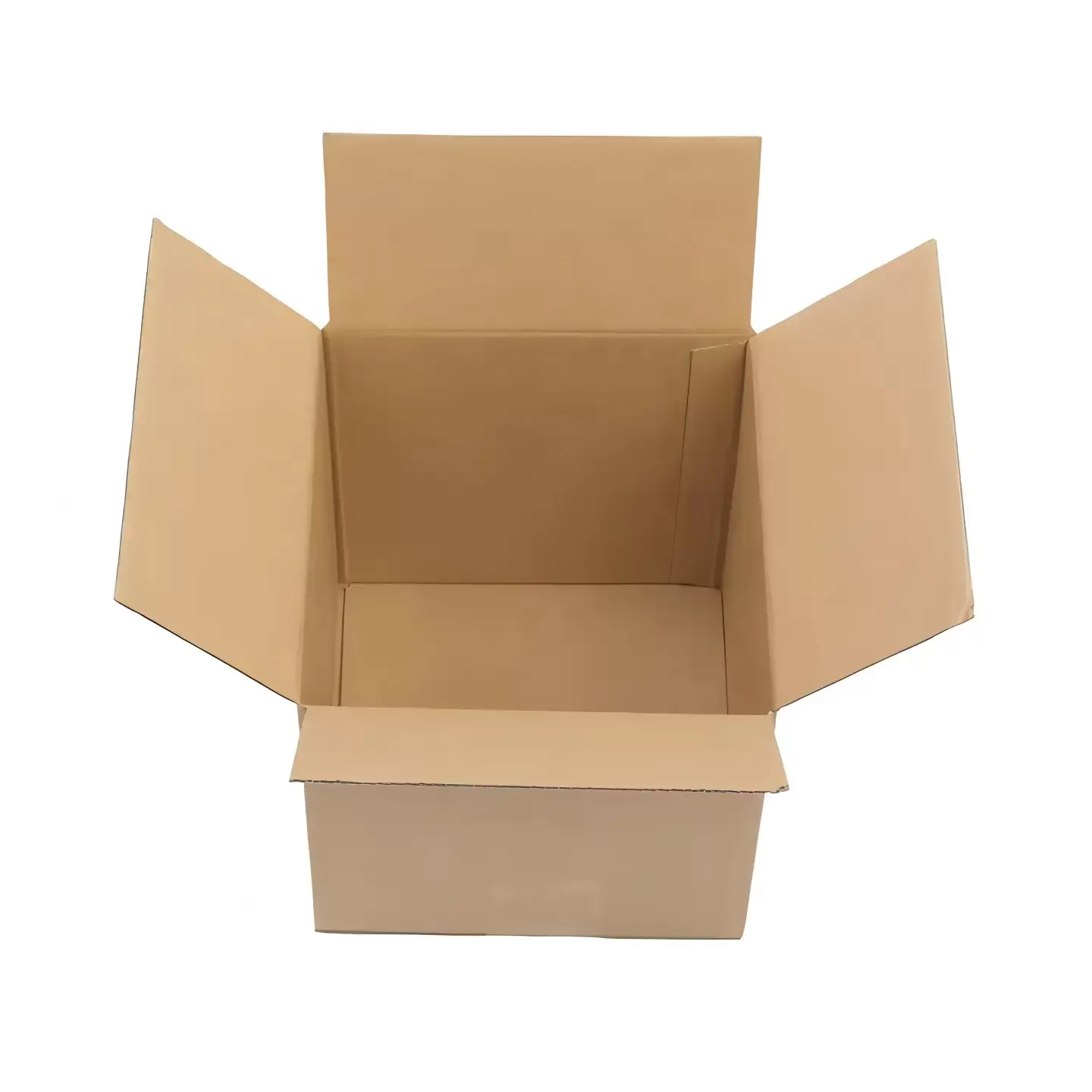
The flap structure of the shipping box should be reasonably designed to ensure that it is not easily damaged during folding and unfolding, and the flap can fit tightly to the box body to avoid automatic opening during transportation. For example, the length and depth of the insertion part of the flap should be appropriate; generally, the insertion length should not be less than 3 cm, and the depth should not be less than 1.5 cm, to ensure that there is enough friction to fix the flap.
Indentation Line Accuracy
The indentation line determines the smoothness of the corrugated shipping box folding. If the indentation is too shallow, folding is difficult, and paper cracks are easy to occur; if the indentation is too deep, it will affect the strength of the box. The indentation depth is generally controlled at about one-third of the paper thickness, and the indentation line should be accurately aligned with the cutting line, with an error of no more than 0.5mm, to ensure that the box has a regular shape after folding.

Dimension Design
Inner size fits the product: Accurately measure the length, width, and height of the product. The inner side of the corrugated shipping box should be 0.5–1 cm larger than the size of each side of the product to facilitate product placement and prevent the product from shaking in the box. For products with irregular shapes, the inner dimensions should be determined according to their maximum outer dimensions, and a certain buffer space should be reserved.
Outer dimensions should be considered for stacking: The outer dimensions of the corrugated shipping box should be considered for stacking during transportation and storage. If multiple shipping boxes are stacked, a gap of 1–2 mm should be reserved between adjacent boxes to prevent loose stacking or extrusion deformation due to size errors. The outer dimensions should also be combined with the size of the logistics packaging box to improve space utilization.
2. Material Selection
Corrugated Type Matching
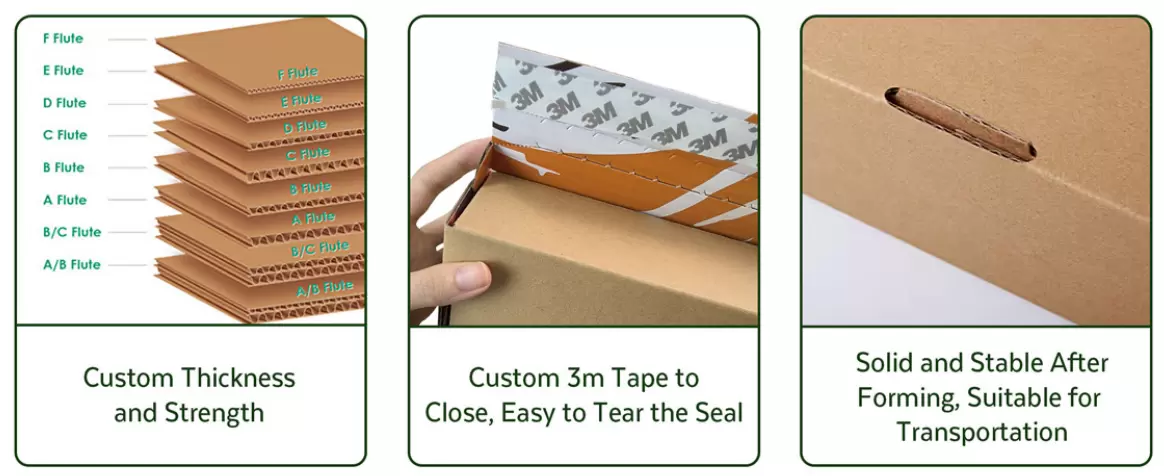
Common corrugated paper includes A flute, B flute, C flute, E flute, etc. A flute has good buffering performance and is suitable for packaging heavy and fragile products; B flute has high stiffness and is often used to package lighter items with high requirements for surface flatness; C flute has better comprehensive performance; E flute is thinner and suitable for delicate and small products. For example, A flute corrugated paper can be used for packaging glass products; E flute is more suitable for packaging small electronic products.
Reasonable Paper Weight
Paper weight determines the strength of corrugated paper and is generally selected according to product weight and transportation distance. For short-distance and light-weight products, 150–200g kraft paper can be used for the face paper and lining paper, and 100–120g corrugated paper can be used for the core paper. For long-distance transportation or heavier products, the weight of the face paper and lining paper can be increased to 250–300g, and the weight of the core paper is 150–180g.
3. Printing Design

Color Reproduction
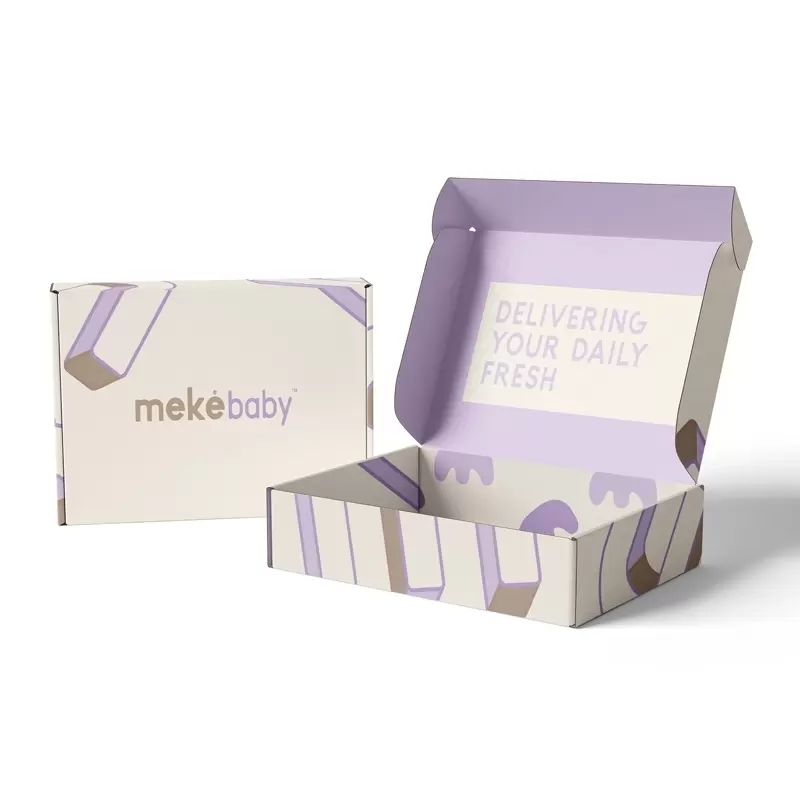
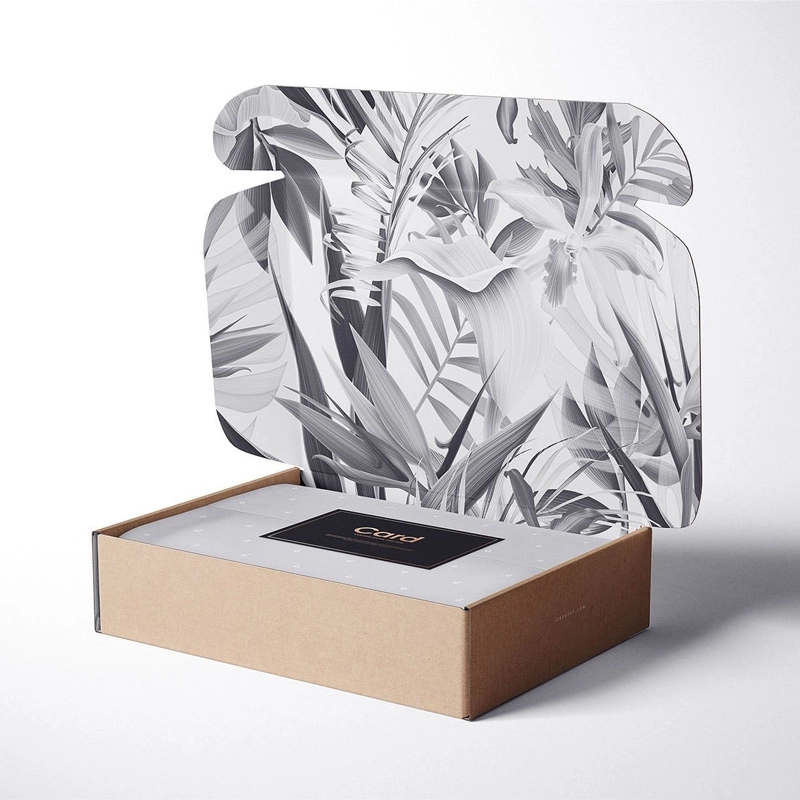
If there are brand logos, product pictures, and other printed content on the shipping box, ensure that the printed color accurately restores the design draft. Choose professional printing equipment and high-quality inks, perform color proofing before printing, and compare and confirm with the design draft. The error is controlled within a range that is difficult to distinguish with the naked eye.
Precise Printing Position
The position of the printed pattern and text must be accurately matched with the structure of the shipping box to avoid deformation of the pattern or coverage of the text after folding. The reference lines of the printing position should be marked in the design documents, and the printing should be positioned strictly according to the reference lines with a deviation of no more than 1 mm.
Our Advantages of Corrugated Shipping Box Printing Technology
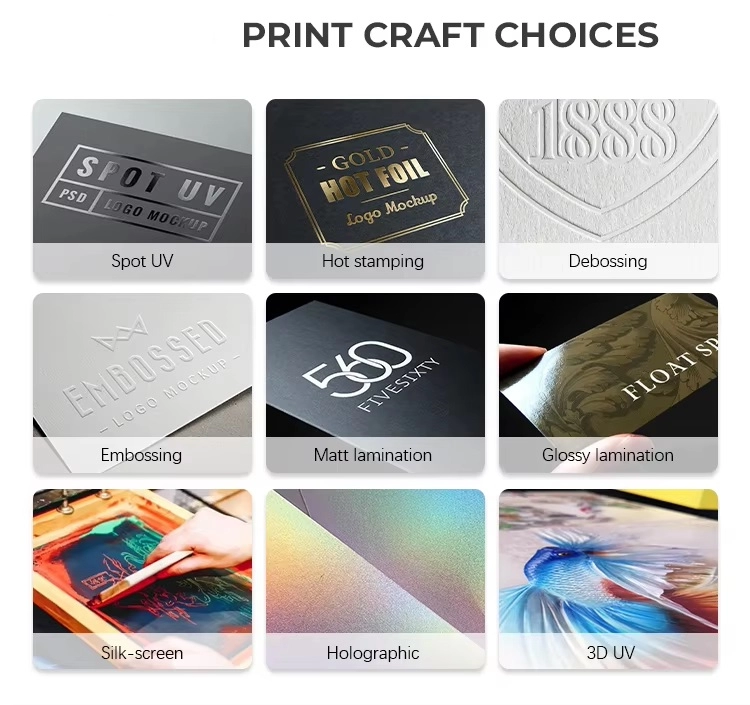
Surface Treatment Process
Laminating
Laminating covers the surface of the corrugated shipping box after printing with a layer of plastic film, which is divided into glossy film and matte film. Glossy film can make the printed pattern more vivid and bright, improve the glossiness, and enhance the visual impact; matte film gives people a soft and high-end feeling and can also play a certain role in scratch prevention. Laminating can improve the appearance of the shipping box and increase its moisture-proof and waterproof properties.
Glazing
Glazing is also a common surface treatment method, which can be divided into water-based glazing and UV glazing. Water-based glazing is environmentally friendly and low-cost and can improve glossiness and wear resistance. UV glazing instantly solidifies the varnish through ultraviolet irradiation to form a hard and bright protective film with higher gloss, wear resistance, and chemical resistance.
Hot Stamping / Silver Stamping
Hot stamping and silver stamping transfer metal foil onto the surface of printed products. This process can make the shipping box look more decorative and is often used to highlight important information such as brand logos and product names.
Special Printing Process
Embossed
Embossed stamping presses raised or sunken patterns on the surface of the corrugated shipping box through a mold, without using ink, and relies on paper deformation to form a three-dimensional sense. This process can make printed packaging more layered and textured.
Laser Engraving
Laser engraving uses the high energy density characteristics of lasers to engrave on the surface of corrugated paper. Fine patterns, texts, or textures can be engraved to form a unique visual effect with neat edges.
A One-Stop Corrugated Shipping Boxes Packaging and Printing Factory
For packaging buyers, corrugated shipping boxes need to connect product protection, board strength, flute selection, paper weight, folding accuracy, brand printing, finishing process, and logistics stacking into one complete purchasing path. This page helps buyers move from category selection to structural design, material confirmation, printing requirements, finishing options, and factory inquiry without relying on unsupported assumptions.
The SEO purchasing path is built around the same commercial intent: buyers looking for custom corrugated shipping boxes can compare related shipping box types, review specific engineering points such as flap stability and indentation accuracy, understand paperboard selection by product weight and transport distance, and confirm printing and finishing options before contacting the factory.
Corrugated Shipping Box Specification Checklist for Buyers
Product Size
Confirm product length, width, height, and maximum external dimensions before determining the internal size of the corrugated shipping box.
Transit Strength
Select flute type and paper weight according to product weight, fragility, stacking method, and shipping distance.
Print Layout
Align logo, product graphics, text, and reference lines with the folding structure to avoid distortion after assembly.
Surface Finish
Choose laminating, glazing, hot stamping, embossing, or laser engraving according to brand display and packaging protection requirements.
Why Choose HengXing?
Hengxing Packaging is a one-stop facility that offers solutions to personalized packaging needs, including design support, FSC material selection, eco-friendly ink printing, OEM and ODM customization, and factory-based packaging production.

Free Design Support
We offer free of charge design support for flawless packaging boxes.

100% Environmental-Friendly
FSC Material and Eco-Friendly Ink Printing. Recyclable Packaging for Sustainability.

Custom OEM & ODM
Customized Logo, Shape, Size, and Style. One-Stop Packaging and Printing Solution.

30+ Years Factory Experience
200+ Workers, 14 People R&D Personnel, 19000+ Square Meters, Professional Laboratory and Printing Machine.
Corrugated Shipping Boxes FAQ
What are corrugated shipping boxes used for?
Corrugated shipping boxes are used for product protection, transport packaging, logistics storage, and branded shipment. They can be customized for product size, product weight, printing needs, and transport distance.
How should the size of a corrugated shipping box be planned?
The product length, width, and height should be measured accurately. The inner side of the box can be 0.5–1 cm larger than each side of the product to support placement and reduce shaking. For stacking, a 1–2 mm gap between adjacent boxes can help avoid extrusion deformation caused by size errors.
Which corrugated flute types are mentioned for shipping boxes?
The page mentions A flute, B flute, C flute, and E flute. A flute is suitable for heavy and fragile products, B flute has high stiffness, C flute offers comprehensive performance, and E flute is suitable for delicate and small products.
How is paper weight selected for corrugated shipping boxes?
Paper weight is selected according to product weight and transportation distance. The page gives examples including 150–200g kraft paper for short-distance and light-weight products, and 250–300g face and lining paper for long-distance transportation or heavier products.
Which printing and finishing processes can be used?
Printing and finishing options include color proofing, precise print positioning, laminating, glazing, hot stamping, silver stamping, embossing, and laser engraving.