Ambalaj Kutusu Türleri
Ambalaj Kutusu Türleri: Yapılar, Malzemeler ve Uygulamalar Hakkında Kapsamlı Bir Kılavuz
Ambalaj kutularının başlıca türlerini anlamak, alıcıların koruma düzeylerini karşılaştırmalarına yardımcı olur,
sunum, depolama verimliliği, montaj gereksinimleri ve nakliye performansı
Özel ambalajlama projesine başlamadan önce.
Kısa cevap: Ambalaj kutularının başlıca türleri arasında katlanabilir kutular yer alır
karton kutular, katlamalı uçlu kutular, sert yapılı kutular, manyetik kapaklı kutular, çekmeceli kutular,
kapaklı ve tabanlı kutular, oluklu nakliye kutuları, posta kutuları, teşhir kutuları ve
karton tüpler. Doğru seçim, ürünün boyutuna, ağırlığına ve kırılganlığına bağlıdır,
satış kanalı, sunum gereklilikleri, sevkiyat koşulları ve hedeflenen
müşteri deneyimi.
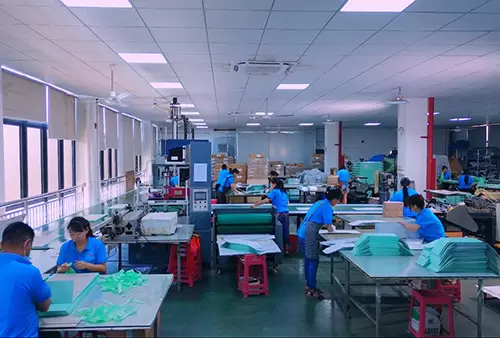
Ambalaj kutuları genellikle görünümlerine göre sınıflandırılır, ancak sadece görünüm tek başına yeterli değildir
Bir kutunun nasıl çalıştığını açıklayın. İki ambalaj, benzer grafikler içerebilirken
farklı levha kalınlıkları, kapatma yöntemleri, iç destekler ve nakliye
yapılar. Bu farklılıklar, koruma, montaj süresi, depo alanı gibi unsurları etkiler,
ulaşım verimliliği ve toplam satın alma maliyeti.
Satın alma ekipleri için en yararlı yaklaşım, ambalajları dört açıdan karşılaştırmaktır
etkenler: yapısal tasarım, malzeme seçimi, kullanım amacı ve
dağıtım kanalı. Hafif bir perakende kartonu, bir
oluklu mukavva ihracat kutusu. Sert bir manyetik kutu, kaliteli bir sunum sağlayabilir, ancak
Uluslararası gönderilerde yine de ek bir dış kutu gerekebilir.
Önemli Noktalar
- Katlanabilir karton kutular hafif perakende ürünleri ve verimli düz depolama için uygundur.
- Sert kutular lüks hediyelik eşyalar, mücevherler, kozmetik ürünleri ve hediye setlerini desteklemek.
- Oluklu mukavva kutular nakliye, dağıtım ve e-ticaret için koruma sağlar.
- Posta kutuları nakliye korumasını markalı bir açılış deneyimiyle birleştirin.
- Manyetik, çekmeceli ve kapaklı-tabanlı kutular daha yüksek fiyatlı ürünlere uygundur.
- Vitrin kutuları destek rafı, tezgah ve satış noktası teşhir malzemeleri.
- Karton tüpler silindirik ürünler ve özgün perakende ambalajları için uygundur.
- Doğru kutu seçimi, boyutlara, ağırlığa, kırılganlığa, dağıtım kanalına ve marka konumuna bağlıdır.
Ambalaj Kutuları Nedir?
Bir ambalaj kutusu, korumak amacıyla tasarlanmış, kağıt veya mukavvadan yapılmış bir kaptır,
bir ürünü depolamak, göndermek, sergilemek veya düzenlemek. Ambalaj kutuları ayrıca ürün bilgilerini de içerebilir
bilgiler, barkodlar, talimatlar, taşıma işaretleri, yasal metinler ve marka
grafikler.
"Şu terim" ambalaj kutusu türü çeşitli sınıflandırma sistemlerini açıklayabilir.
Bir alıcı, bir kutuyu yapısına göre (örneğin çekmeceli kutu) veya malzemesine göre (örneğin
oluklu mukavva; kullanım alanına göre (örneğin kozmetik ambalajları gibi) veya dağıtım şekline göre
kanal, örneğin bir e-ticaret haber bülteni.
Temel paketleme işlevleri
- Ürün koruması: hareket kısıtlaması, ezilme, çizilme ve darbe.
- Saklama: ürünlerin sevkiyat, satış veya nihai kullanım öncesinde düzenlenmesi.
- Kargo: taşıma, istifleme, kurye teslimatı ve paletleme işlemlerini destekleyen.
- Perakende sunumu: raflar ve tezgahlarda ürünlerin değerini aktarmak.
- Marka iletişimi: logoları, renkleri, sloganları ve talimatları sunmak.
- Kutudan çıkarma deneyimi: müşterinin ürünü nasıl açıp çıkardığını kontrol etmek.
- Bilgi ekranı: etiketler, izlenebilirlik ve pazara özgü içeriklere yer ayırmak.
Çünkü tek bir kutu nadiren tüm işlevleri eşit derecede iyi yerine getirir; bu nedenle ambalaj seçimi
... ile değil, ürün ve dağıtım ortamıyla başlamalıdır
sadece görünüşü.
Başlıca Ambalaj Kutusu Türleri
Başlıca ambalaj kutusu yapıları, karton yapısı ve montaj yöntemi bakımından farklılık gösterir,
kapatma şekli ve koruma özelliği. Her bir tür, farklı bir satın alma amacına uygundur
senaryo.
Katlanabilir Karton Kutular
Katlanır karton, üzerine baskı yapılan, kalıpla kesilen, kat izi atılan, katlanan ve
genellikle bir kenarından yapıştırılır. Katlanabilir karton kutular genellikle düz halde teslim edilir ve monte edilir
ürün doldurulmadan önce.
Katlanır kartonlar, ağartılmış masif kartondan veya katlanır kutu kartonundan üretilebilir,
kraft kağıdı bazlı karton veya proje için seçilen başka bir karton. Doğru malzeme
ürünün ağırlığına, baskı gereksinimlerine, yüzey işleme yöntemine ve hedef pazara bağlıdır
ihtiyaçları.
En uygun olduğu durumlar
Kozmetik ürünleri, küçük elektronik cihazlar, mumlar, şekerlemeler, giyim aksesuarları ve
hafif perakende ürünleri.
Avantajlar: Katlanabilir karton kutular, verimli bir şekilde düz olarak depolanabilme imkanı ve geniş
basılabilir yüzeyler, nispeten düşük malzeme ağırlığı ve manuel veya
otomatik paketleme.
Sınırlamalar: Hafif bir katlanabilir karton genellikle daha az
sert veya oluklu ambalajlara kıyasla daha yüksek darbe dayanımı. Kırılgan ürünler için
uygun bir iç kutu veya ayrı bir nakliye kartonu.
Yaygın kişiselleştirme seçenekleri arasında özel baskı, spot UV, kabartma, oyma,
folyo baskı, pencereler, kılıflar ve kalıpla kesilmiş ek parçalar. İnceleme yapan alıcılar
karton ambalaj kutuları
Kartonun raf teşhiri için mi yoksa doğrudan sevkiyat için mi kullanılacağı netleştirilmelidir
ya da bir dış kılıfın içine yerleştirilmesi.

Kıvrımlı Uçlu Kutular
Tuck end kutu, üst ve alt kanatları kutunun içine kıvrılan katlanabilir bir karton kutudur
gövde. Yaygın yapılandırmalar arasında düz kıvrımlı uçlu ve ters kıvrımlı uçlu kutular yer alır.
Düz kıvrımlı uç yapısında, ana kapatma kanatçıkları genellikle
aynı yöne. Ters katlama yapısında, üst ve alt kanatlar
zıt yönler. Tercih edilen yapı, resmin yönüne ve açıklığa bağlıdır
yön, montaj yöntemi ve ürün şekli.
En uygun olduğu durumlar
Kozmetik, kişisel bakım ürünleri, küçük elektronik aksesuarlar ve kompakt perakende
mallar.
Avantajlar: Tuck end kutularının kurulumu kolaydır, depolanması verimlidir ve
çok çeşitli baskı ve sonlandırma seçenekleri için uygundur.
Sınırlamalar: Standart bir katlama kapatma yöntemi otomatik olarak
kurcalandığında iz bırakan, neme dayanıklı veya gıda ile doğrudan temasa uygun. Bu tür
Gereksinimler ayrı ayrı değerlendirilmelidir.
Özel katlanmış kenarlı kutular baskılı unsurlar içerebilir
grafikler, karton ekler, pencereler, kilitleme özellikleri ve dekoratif kaplamalar.
Sabit Kurulum Kutuları
Sert kurulum kutusu, genellikle kalın kartondan yapılmış, katlanamayan bir ambalajdır; bu tür kutular genellikle
baskılı, renkli veya dokulu kağıtla sarılmış. Katlanır kartondan farklı olarak, geleneksel bir
Sert kutular genellikle hazır halde teslim edilir.
Sert kurulum kutuları, boyutsal kararlılık ve sağlam bir tutuş hissi sağlar. Bunlar
sunum, açılış deneyimi ve yerleştirme uyumu daha önemli olduğunda sıklıkla tercih edilir
düz depolama verimliliğinden daha fazla.
En uygun olduğu durumlar
Lüks hediyeler, mücevherler, parfümler, üst sınıf kozmetik ürünleri, tüketici elektroniği ve
sunum setleri.
Avantajlar: Sağlam yapı, birinci sınıf görsel görünüm, gömme parça
uyumluluk ve çok çeşitli dekoratif kaplama seçenekleri.
Sınırlamalar: Geleneksel sert kutular depoda daha fazla yer kaplar ve
düz paketlenmiş kartonlara göre daha fazla nakliye hacmi gerektirir. Dekoratif bir sert kutu ayrıca bir
dağıtım sırasında dış oluklu mukavva.
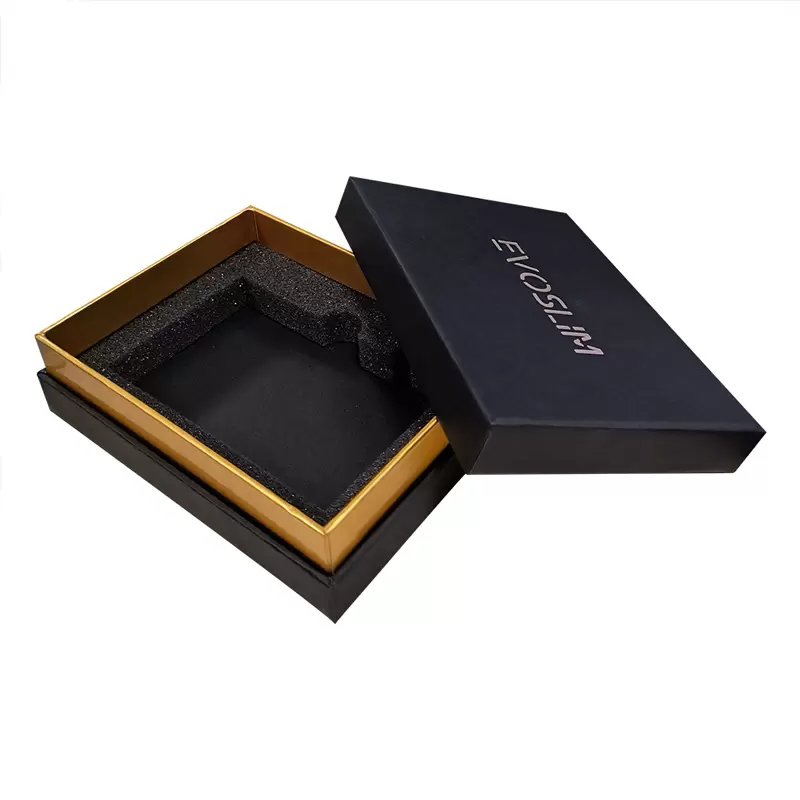
Kapaklı ve Tabanlı Kutular
Kapaklı ve tabanlı kutu, ayrı bir üst kapak ve alt tepsiden oluşan iki parçalı bir yapıdır.
Sert kaplamalı karton, katlanabilir karton veya başka bir malzemeden üretilebilir
kağıt temelli yapı.
Kapak kaldırıldığında, bu yapı ürünün net bir şekilde görünmesini sağlar. Şu faktörlere bağlı olarak
Tasarım gereği, kapak tabanın tüm derinliğini kaplayabilir ya da kontrast oluşturan bir kısmı açıkta bırakabilir
omuz bölümü.
En uygun olduğu durumlar
Hediye setleri, giyim ürünleri, takılar, çikolata, parfüm, mumlar ve seçkin perakende ürünleri.
Avantajlar: Temiz bir sunum, sade ambalaj ve esneklik
kapak derinliği, iç tepsiler ve dekoratif kaplama açısından.
Sınırlamalar: Kapak ve taban boyutları dikkatli bir şekilde ayarlanmalıdır.
Çok sıkı oturan bir kapak açılması zor olabilir; buna karşılık aşırı boşluk ise...
algılanan kalite.
Özel kapaklı ve tabanlı kutular içerebilir
zıt renkler, omuz detayları, kurdeleler, kağıt ekler ve baskılı ya da dokulu ambalajlar.
Manyetik Kapaklı Kutular
Manyetik kapamalı kutu, birbirine hizalanan gizli mıknatıslara sahip bir sunum ambalajıdır
ve bir kapağı veya kanadı kapalı tutar. Birçok manyetik kutu sert kartondan yapılsa da, katlanabilir olanlar da vardır
manyetik formatlar da mevcuttur.
Manyetik kapama mekanizması kontrollü bir açılma hareketi sağlar ve algılanan
ürün değeri. Bununla birlikte, mıknatıslar, takviye levhası ve ambalaj malzemeleri,
ambalaj ağırlığı, üretim karmaşıklığı ve kullanım ömrü sonu malzeme ayrıştırması.
En uygun olduğu durumlar
Lüks hediyeler, mücevherler, parfümler, kozmetik ürünleri, giyim setleri, teknoloji aksesuarları ve
tanıtım setleri.
Avantajlar: Eşsiz bir giriş deneyimi, geniş markalaşma alanı ve
şeritler ve özel ek parçalarla uyumluluk.
Sınırlamalar: Ek bileşenler malzeme kullanımını artırabilir ve
geri dönüşümü daha karmaşık hale getirir. Manyetik ambalajlar otomatik olarak tanımlanmamalıdır
her türlü sürdürülebilirlik programı için uygun olarak.
Satın almayı düşünen alıcılar
manyetik kapamalı kutular
sert ve katlanabilir formatları sunum, depolama ve
uluslararası nakliye gereklilikleri.
Sert Çekmece Kutuları
Sert çekmece kutusu, bir dış kılıf ve dışarı doğru kayan bir iç tepsiden oluşur.
Tepsi, bir şerit tutamağı, başparmak çentiği veya açıkta kalan kenar vasıtasıyla açılabilir.
Çekmece kutuları, ürünün kademeli olarak ortaya çıkmasını sağlar ve ürünün
açıklık. Yapı, tamamen sert levhadan üretilebilir veya bazı projelerde,
daha hafif karton parçalardan.
En uygun olduğu durumlar
Takı, kozmetik, şekerlemeler, mumlar, aksesuarlar ve seçkin ürün setleri.
Avantajlar: Özenli sunum, yeniden kullanılabilir tasarım ve etkili
özel ekler için destek.
Sınırlamalar: Kötü kol ve tepsi toleransları aşırı
sürtünme veya gevşeklik. Fiziksel numune alma, ambalaj kalınlığı ve
basınç, hareketi etkiler.
Özel sert çekmece kutuları şeritler içerebilir,
folyo detayları, dokulu kaplamalar, iç baskı ve kalıpla kesilmiş ek parçalar.
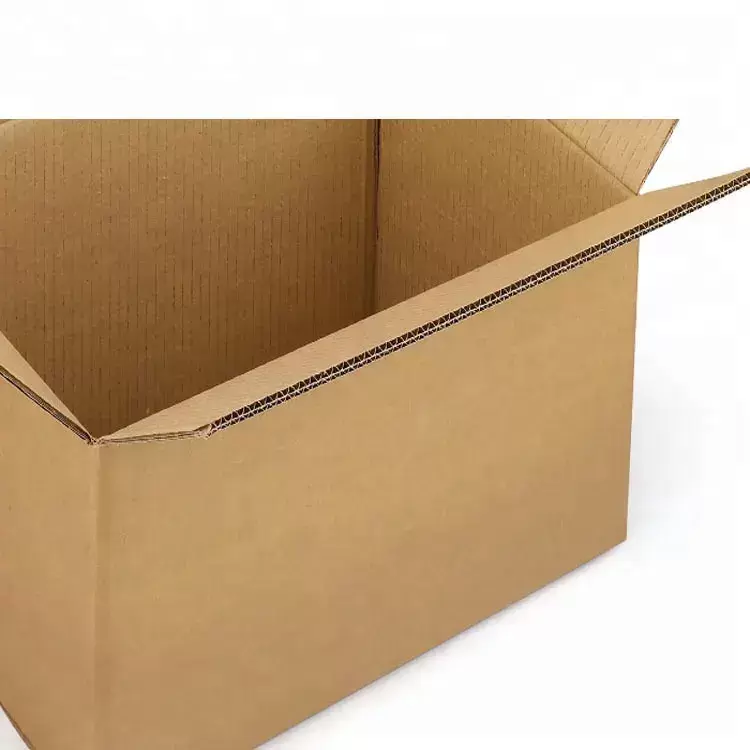
Oluklu Nakliye Kutuları
Oluklu nakliye kutusu, genellikle oluklu mukavvadan üretilir; bu malzeme
düz astar tabakalarını oluklu kağıt tabakasıyla birleştirir. Oluklu yapı derinlik katar,
yastıklama ve istiflenebilirlik.
Oluklu mukavva kutular, esas olarak nakliye, depolama ve dağıtım amaçlı kullanılır; bunun yerine
sadece raf sunumu. Karton yapısı, kutu boyutuna göre seçilmelidir,
paket ağırlığı, istifleme koşulları ve öngörülen taşıma koşulları.
En uygun olduğu durumlar
E-ticaret sipariş karşılama, ihracat kartonları, depo dağıtımı, çoklu ürün paketleri
ve daha ağır mallar.
Avantajlar: Yastıklama özelliği, geniş boyut esnekliği, üst üste istiflenebilirlik ve
nakliye etiketleri ve elleçleme bilgileri için uygunluk.
Sınırlamalar: Standart bir kahverengi nakliye kutusu, daha az kaliteli bir seçenek olabilir
baskılı katlanır karton veya sert kutuya kıyasla perakende sunumu. Aşırı boş alan,
Nem ve yanlış istifleme, performansı düşürebilir.
Belirtirken
oluklu nakliye kutuları,
Alıcılar, ürünün ağırlığını, boyutlarını, ambalaj miktarını ve nakliye bilgilerini belirtmelidir
sadece görünüşüne göre seçim yapmak yerine, koşulları da göz önünde bulundurmak.
Posta Kutuları
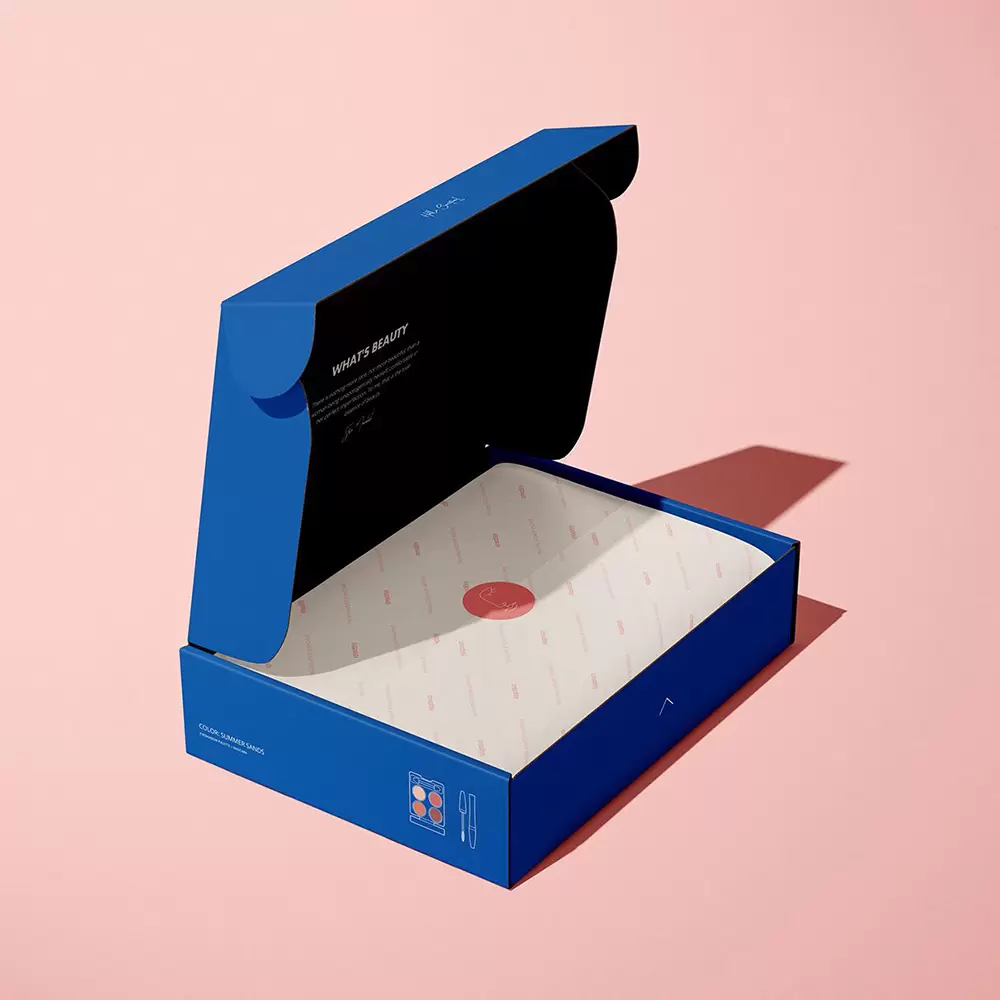
Bir posta kutusu genellikle, menteşeli bir kapağı olan, tek parça ve kendiliğinden kapanan bir ambalajdır.
Birçok posta kutusu oluklu mukavvadan üretilse de, daha hafif karton da kullanılmaktadır
başka sürümler de mümkündür.
Posta kutuları, doğrudan tüketiciye yapılan gönderimlerde yaygın olarak kullanılır; çünkü bunlar
practical protection, exterior branding, interior printing and a presentation-oriented
opening experience.
En uygun olduğu durumlar
Subscription products, apparel, cosmetics, accessories, promotional kits and small
e-commerce orders.
Avantajlar: Integrated opening experience, printable inner panels,
practical assembly and strong suitability for branded e-commerce fulfillment.
Sınırlamalar: A mailer box is not automatically suitable for heavy,
highly fragile or unusually shaped products. Board construction, internal support and
external protection must match the shipment.
Özel mailer boxes may include interior printing,
locking tabs, tear strips, paper inserts and branded exterior graphics.

Vitrin Kutuları
A display box is a package developed to present products on a shelf, counter or
point-of-purchase location. It may hold multiple individual units or convert from a
shipping configuration into an open retail display.
Display packaging must balance visibility, product access, structural stability and
restocking efficiency. Header panels provide branding space, while removable or
perforated sections can expose the products.
En uygun olduğu durumlar
Small consumer goods, cosmetics, confectionery, accessories, sample packs and counter
sales.
Avantajlar: Efficient organization, brand visibility and support for
retail merchandising.
Sınırlamalar: Weak front panels, poorly positioned perforations or an
unstable footprint may reduce shelf performance.
Özel teşhir kutuları should be evaluated with the
actual product quantity, weight distribution and intended shelf direction.
Karton Tüp Ambalaj
Cardboard tube packaging is a cylindrical paper-based container formed from wound
layers of paper. Depending on the design, a tube may use paper, metal or plastic end
bileşenler.
Tubes provide a recognizable profile and can protect products suited to a cylindrical,
rolled or vertically presented format. The outer surface may be wrapped with printed
paper, labeled or decorated with foil and embossing.
En uygun olduğu durumlar
Wine-related presentation, tea outer packaging, gifts, apparel accessories, rolled
products and specialty retail items.
Avantajlar: Distinctive shape, effective vertical shelf presence and
compatibility with circular artwork.
Sınırlamalar: Tubes do not flat-pack like folding cartons and should not
be assumed to provide airtight sealing, direct food-contact compliance or moisture
protection unless specifically designed and verified.
Özel karton tüpler may use printed wraps,
foil details, embossed surfaces, fitted inserts and contrasting lid components.
Specialty and Custom Structural Boxes
A specialty structural box is developed around a product or presentation requirement
that cannot be met efficiently with a standard format. Examples include window boxes,
book-style packages, multi-compartment kits, unusual die-cut shapes and boxes with
integrated inserts.
En uygun olduğu durumlar
Product launches, gift collections, unusual product shapes, multi-component packages
and brand-specific opening experiences.
Avantajlar: Precise product fit, differentiated presentation and the
ability to combine several packaging functions.
Sınırlamalar: Specialty structures normally require additional
engineering, physical sampling and assembly review. Complexity may also increase
material use and packing labor.
Packaging Box Types by Material
Box structure determines how a package opens, closes and assembles. Material
construction influences its weight, stiffness, print response, folding behavior and
protective capability. The same general box style can perform differently when made
from another board grade or thickness.
Paperboard Boxes
Paperboard is a relatively thin and stiff paper-based material commonly used for
folding cartons. Industry material categories may include solid bleached sulfate,
folding boxboard and kraft paperboard. Actual availability and suitability depend on
the project.
Paperboard provides a smooth printable surface and can be creased for compact folding.
It is generally suitable for lightweight retail products but may require reinforcement,
an insert or a corrugated outer carton during shipping.
Corrugated Fiberboard Boxes
Corrugated fiberboard combines one or more liner sheets with a fluted inner medium.
The flute creates air space and structural depth, helping the board resist impact and
compression more effectively than ordinary folding carton paperboard.
Performance depends on board construction, box dimensions, packed weight, humidity,
stacking pattern and handling conditions. Specific compression or edge-crush
requirements should be defined and tested rather than assumed from flute appearance.
Wrapped Rigid Board Boxes
Wrapped rigid boxes use thick board or grayboard as the structural core and printed,
colored or textured paper as the visible outer surface. The board provides shape and
stiffness, while the wrap provides color and finishing.
Rigid board structures support premium presentation, deep embossing, foil details and
fitted inserts. Their non-collapsible construction normally requires more storage and
transportation volume.
Kraft Paper Packaging
Kraft paper packaging may use natural brown, bleached or printed kraft-based
materials. Unbleached kraft produces an earthy appearance, while bleached grades
provide a lighter base for color reproduction.
A kraft appearance should not be treated as proof of complete environmental
performance. Coatings, laminations, adhesives, windows, handles and local recycling
systems all affect the finished package.
Recycled and FSC-Sourced Paper Options
Recycled content and FSC-certified sourcing describe different packaging attributes.
Recycled content refers to recovered fiber incorporated into a material. FSC
certification relates to responsible forest management and chain-of-custody control
for eligible forest-based materials.
An FSC-certified paper is not automatically made from recycled fiber, and packaging
containing recycled fiber is not automatically FSC certified. Procurement teams should
define whether they require certified sourcing, recycled content, recyclability,
reduced plastic or another measurable sustainability objective.
Important sustainability distinction: The final recyclability of a
box can be affected by plastic film, metallic foil, magnetic components, windows,
adhesives, coatings, foam and the collection systems available in the destination
market.
Comparison of Different Types of Packaging Boxes
| Packaging box type | Tipik yapı | Koruma seviyesi | Sunum düzeyi | Nakliye verimliliği | Yaygın kullanım alanları | En uygun olduğu durumlar | Temel sınırlama |
|---|---|---|---|---|---|---|---|
| Katlanabilir karton kutu | Printed and creased paperboard, normally side-glued | Düşük ila orta düzeyde | Orta ila yüksek | Düz olarak tedarik edildiğinde yüksek | Cosmetics, candles, accessories and lightweight retail goods | Efficient shelf packaging | May need an insert or outer carton |
| Kıvrımlı uçlu kutu | Folding carton with tuck-in top and bottom flaps | Düşük ila orta düzeyde | Orta | Yüksek | Personal care, small electronics and compact retail goods | Fast manual or automated packing | Not automatically tamper-evident |
| Sabit kurulum kutusu | Thick board wrapped with printed or decorative paper | Orta ila yüksek | Yüksek | Lower because it is normally non-collapsible | Luxury gifts, jewelry, perfume and electronics | Premium presentation and inserts | Artan depolama ve nakliye hacmi |
| Manyetik kapaklı kutu | Hinged or folding lid with concealed magnets | Orta ila yüksek | Yüksek | Varies by rigid or collapsible design | Gift sets, cosmetics, apparel and promotional kits | Controlled opening experience | Mıknatıslar, malzemelerin ayrıştırılmasını zorlaştırır |
| Çekmece kutusu | Outer sleeve with sliding inner tray | Orta ila yüksek | Yüksek | Orta | Takı, şekerleme, kozmetik ve aksesuarlar | Aşamalı ürün tanıtımı | Tray tolerance requires testing |
| Lid and base box | Ayrı kapak ve alt tepsi | Orta ila yüksek | Yüksek | Moderate to low for rigid versions | Gifts, apparel, chocolate, jewelry and candles | Clean presentation and easy packing | Lid fit requires accurate sizing |
| Oluklu nakliye kutusu | Fluted fiberboard case | High when correctly specified | Düşük ila orta düzeyde | High for transport and palletization | Shipping, export, storage and e-commerce | Koruma ve lojistik | May lack premium retail presentation |
| Posta kutusu | One-piece self-locking structure with hinged lid | Orta | Orta ila yüksek | High for smaller DTC orders | Subscription boxes, apparel, cosmetics and kits | E-commerce branding and unboxing | Ağır ürünler için otomatik olarak uygun değildir |
| Vitrin kutusu | Open tray, header box or convertible shipper | Düşük ila orta düzeyde | Satış noktasında yüksek | Değişken | Tezgah ürünleri, numuneler ve perakende satış birimleri | Shelf organization and visibility | Stability depends on product arrangement |
| Karton tüp | Wound cylindrical paper body with separate end sections | Orta | Yüksek ve kendine özgü | Orta | Gifts, rolled goods, tea outer packaging and wine presentation | Cylindrical products and specialty display | Düz paketlenmemiş veya otomatik olarak hava geçirmez değildir |
Folding Cartons vs. Rigid Boxes vs. Corrugated Boxes
Folding cartons prioritize printing efficiency and flat storage, rigid boxes prioritize
premium presentation and dimensional stability, and corrugated boxes prioritize
cushioning and transportation performance.
Katlanabilir Karton Kutular
Folding cartons use thinner paperboard and are normally delivered flat. They
are lightweight, highly printable and efficient for shelf-ready products.
Sert Kutular
Rigid boxes use thick board and generally arrive assembled. They provide a
substantial presentation but require more storage and freight space.
Oluklu Mukavva Kutular
Corrugated boxes use a fluted board construction and are normally the most
appropriate option for shipping, stacking and warehouse distribution.
How Buyers Should Decide
Choose according to product weight, fragility, sales channel, presentation,
assembly speed and logistics. Some projects use all three packaging layers.
A project may use a folding carton around the product, a rigid gift box for premium
presentation and a corrugated carton for export. These packaging types are therefore
complementary rather than mutually exclusive.
Mailer Boxes vs. Corrugated Shipping Boxes
Mailer boxes and shipping boxes may both be produced from corrugated fiberboard, but
their structures and typical uses differ. A mailer normally has a hinged lid and
integrated locking panels. A conventional shipping box usually has slotted flaps that
are closed with tape, staples or another suitable closure.
Mailer boxes are frequently selected by e-commerce brands because the lid opens like a
presentation package and the inner panels can carry printed information. Standard
corrugated shipping cases are more adaptable for bulk packs, heavier products, larger
items and outer-carton applications.
A retail box should receive a separate outer carton when the decorative package is not
engineered for shipping labels, abrasion, stacking and courier handling. A rigid gift
box can protect a product internally while still requiring a corrugated case to preserve
its exterior appearance.
Luxury Packaging Box Types
Luxury packaging results from the combined effect of structural design, paper
selection, wrapping quality, color control, surface finishing, insert fit and opening
movement. Adding foil to a weak or poorly fitted package does not automatically create
a premium result.
Common luxury structures include magnetic closure boxes, rigid drawer boxes,
lid-and-base boxes, wrapped setup boxes and specialty gift packaging. These structures
may be enhanced with gold or silver stamping, spot UV, embossing, debossing, textured
paper, matte finishes, ribbons and custom inserts.

Surface finishing should be selected after the paper and wrapping process are confirmed.
Foil, embossing and spot UV may behave differently on coated, uncoated and textured
materials. A physical sample helps confirm foil coverage, embossing depth, color
appearance and surface durability.
Eco-Friendly Packaging Box Options
More responsible packaging design begins with measurable decisions rather than a
general environmental claim. Useful strategies include right-sizing, reducing
unnecessary components, selecting recyclable paper structures, using FSC-sourced
materials when required and improving shipping efficiency.
Paper-based inserts may replace some plastic components, but material substitution
should not reduce product protection to the point that damage and replacement increase.
Sustainability decisions should consider the complete system, including the inner box,
insert, outer carton, packing process and transportation volume.
Flat-packed structures can reduce storage and freight volume. Lightweight design may
reduce material use, but the box still needs adequate strength. Simplifying combinations
of paper, film, magnets, foam and metallic components may also make material separation
easier.
No paper package should be described as recyclable in every location without
qualification. Recyclability depends on complete construction and the collection,
sorting and processing systems available in the destination market.
Packaging Box Types by Industry
Cosmetics and Perfume
Folding cartons, tuck end boxes, rigid boxes, magnetic boxes, drawer boxes and
lid-and-base structures may be used. Selection depends on bottle weight,
fragility, retail positioning and insert requirements.
Jewelry and Luxury Gifts
Jewelry packaging commonly uses drawer boxes, magnetic boxes and lid-and-base
boxes. Insert fit and product position strongly affect presentation.
Clothing and Apparel
Apparel projects may use folding gift boxes, magnetic boxes, mailers, paper
bags and corrugated shipping cartons.
Food, Chocolate and Bakery
Common options include folding cartons, sleeves, display boxes and lid-and-base
boxes. Direct food-contact and barrier requirements must be confirmed separately.
Elektronik
Electronics packaging may require rigid boxes, paperboard cartons, corrugated
outer cases, partitions and fitted inserts to reduce movement and scratching.
E-Commerce
Mailer boxes and corrugated shipping boxes are common. The structure should
control empty space and protect the product through courier handling.
Retail Display
Display boxes, tuck end cartons and folding cartons support shelf presentation,
barcode placement and brand information.
Wine and Beverage
Rigid gift boxes, tubes, corrugated cartons and dividers may be considered
according to bottle weight, diameter and glass protection requirements.
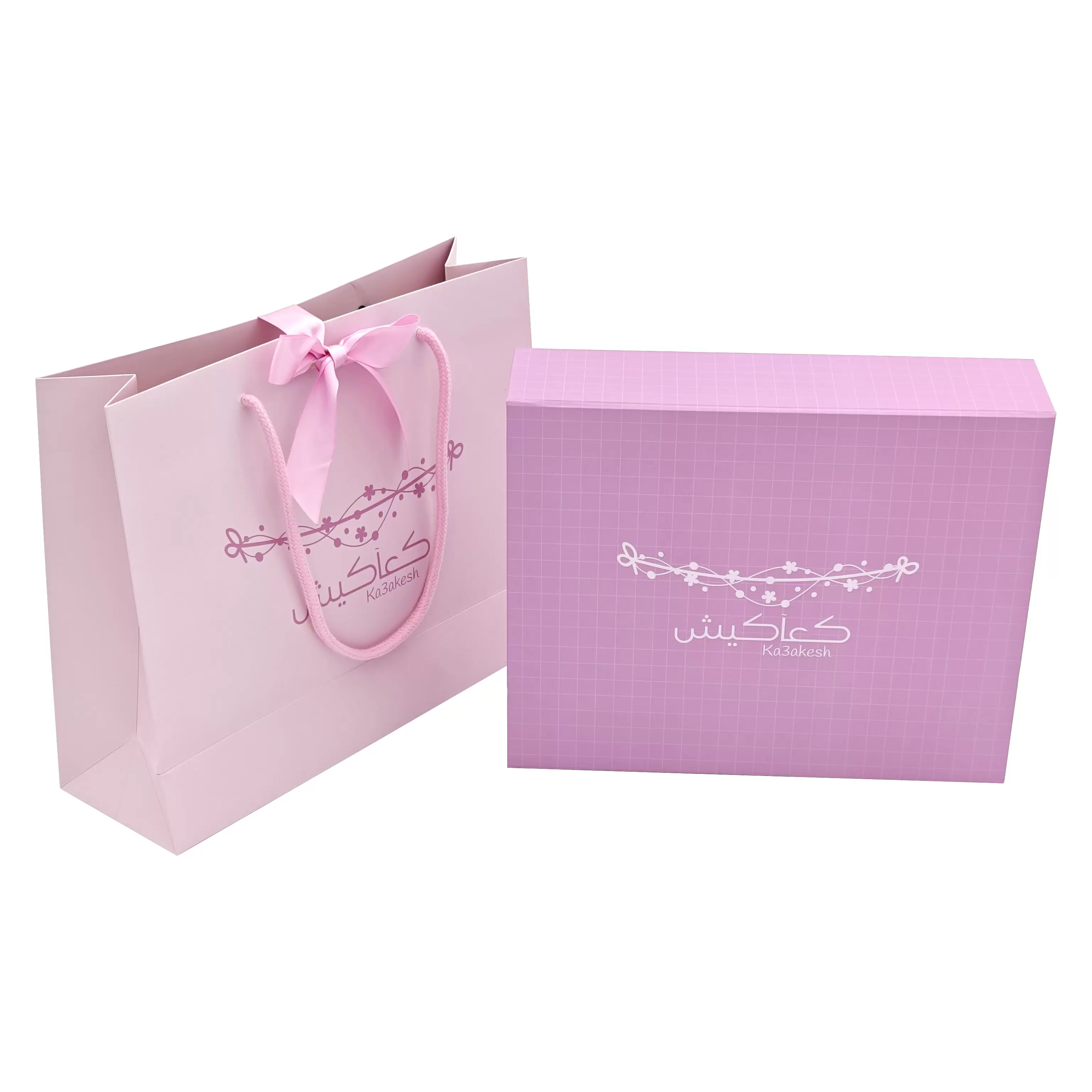
Buyers can review additional
packaging solutions by industry
before defining a new packaging project.
How to Choose the Right Packaging Box Type
-
Confirm product dimensions. Box dimensions affect board usage,
shipping volume, tooling layout and insert geometry. State whether measurements
are internal or external. -
Record product weight. Weight influences paperboard thickness,
corrugated construction, closure strength and bottom support. -
Assess fragility. Glass, delicate finishes and moving components
may require cushioning, partitions or a reinforced outer carton. -
Satış kanalını tanımlayın. Retail shelves, wholesale distribution
and direct-to-consumer shipping create different structural requirements. -
Consider shipping distance. International delivery may involve
additional handling, stacking, humidity changes and warehouse transfers. -
Set the protection requirement. Determine whether the package
needs to limit scratches, absorb impact, control movement or support stacking. -
Clarify brand positioning. Premium rigid packaging and efficient
folding cartons communicate different value signals. -
Plan the unboxing experience. Opening direction, reveal sequence
and product removal influence customer perception. -
Review assembly speed. Complex folds, ribbons and multiple inserts
may increase packing time. -
Check storage space. Flat-packed cartons and collapsible boxes may
reduce warehouse volume. -
Estimate order quantity. Quantity affects tooling, printing,
production planning and unit cost. -
Define printing and finishing. Artwork, colors and surface effects
must be compatible with the selected material. -
Specify insert requirements. Inserts affect protection,
presentation, assembly and product orientation. -
Set sustainability goals. Identify whether the priority is FSC
sourcing, recycled content, reduced plastic, recyclability or lower transport volume. -
Review destination requirements. Labeling, food contact, recycling
and material rules may differ by market. -
Confirm the delivery plan. Structural development, sampling,
artwork approval and production all require sufficient scheduling.
What Information Should Buyers Provide for a Custom Packaging Quote?
An accurate packaging quotation requires more than a product photograph or general box
name. Buyers should provide as much of the following information as possible:
- Product type and intended application
- Kutunun iç veya dış boyutları
- Product dimensions and packed weight
- Required order quantity
- Preferred packaging structure
- Paper or board direction
- Artwork files and brand colors
- Printing expectations
- Surface finishing requirements
- Insert, partition or cushioning requirements
- Window, ribbon, handle or magnetic closure requirements
- Manual or automated packing method
- Hedef ülke
- Requested delivery schedule
- Certification or sustainability requirements
- Prototype or sample requirements
Internal dimensions describe the usable space inside a package. External dimensions
describe the completed outside size. Confusing the two may cause poor product fit,
inaccurate shipping calculations and quotation errors.
Structure, material, printing, finishing, quantity and delivery requirements should be
evaluated together. A quotation based on incomplete information may change after the
final dieline and sample are approved.
Custom Packaging Development Process
-
Requirement review: Confirm product type, dimensions, weight,
quantity, application, destination market and visual direction. -
Yapısal değerlendirme: Identify suitable box styles, opening
methods, closures and protection requirements. -
Malzeme seçimi: Compare paperboard, rigid board and corrugated
options according to performance and appearance. -
Dieline geliştirme: Create the cutting, folding and artwork
framework for the selected structure. -
Prototip üretimi: Verify physical fit, assembly, opening and
closure behavior. -
Artwork and color confirmation: Review file placement, color
expectations and finishing requirements. -
Mass production: Begin printing, die-cutting, forming and assembly
after approval. -
Printing and finishing inspection: Review registration, color,
foil, embossing and surface condition. -
Assembly and packing checks: Confirm folding, gluing, insert fit,
closure and final packing. -
Export packing and shipment preparation: Organize protective
packing and required shipping documents.
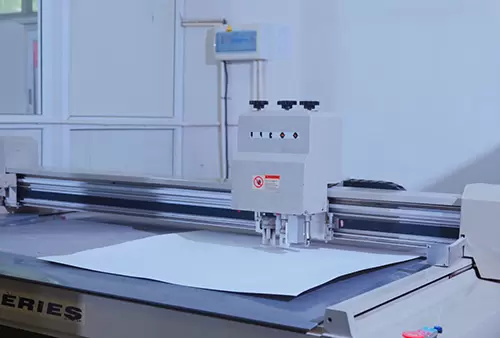
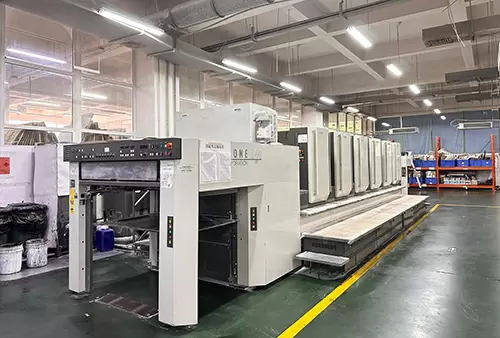
Physical samples are valuable because digital renderings cannot fully demonstrate
board stiffness, lid resistance, drawer friction, foil reflection, embossing depth or
actual product fit.
HENGXING supports
özel ambalaj çözümleri,
including structural prototyping, paper box development, printing, finishing, assembly
and packaging inspection.
Common Mistakes When Selecting Packaging Boxes
-
Choosing by appearance alone: A photograph does not show board
strength, assembly time or shipping performance. -
Ignoring product weight: An attractive box may fail when the
bottom or closure is not designed for the packed load. -
Confusing folding cartons with corrugated boxes: Paperboard and
fluted board solve different packaging problems. -
Shipping a premium inner box without an outer carton: Labels,
abrasion and courier handling may damage decorative surfaces. -
Over-packaging: Unnecessary layers increase material use,
transport volume and assembly labor. -
Underestimating insert requirements: A box may fit externally
while allowing the product to move internally. -
Skipping physical fit samples: Dimensions alone may not reveal
loading, opening or product removal problems. -
Ignoring packing labor: Complex folds, ribbons and multiple
components may slow fulfillment. -
Selecting finishes before materials: Foil, UV and embossing results
depend on the substrate and surface treatment. -
Treating FSC and recycled content as identical: They describe
different sourcing and material characteristics. -
Assuming every paper package is fully recyclable: Added components
and local systems affect material recovery. -
Providing incomplete artwork or dimensions: Missing information
reduces quotation and sampling accuracy.
Protective components should be evaluated as part of the complete package. HENGXING
also supports custom
ambalaj aksesuarları,
including corrugated partitions and die-cut protective inserts.
Why Work With an Experienced Custom Packaging Manufacturer?
An experienced custom packaging manufacturer can help evaluate structural feasibility,
board selection, dieline development, sampling, printing coordination, finishing,
insert fit, quality inspection and export packing. These decisions are connected;
changing one element may affect several others.
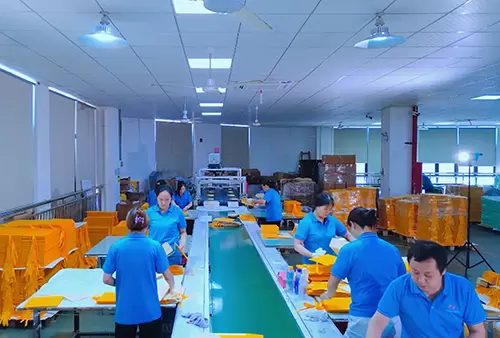
XIAMEN HENGXING COLOR PRINTING CO., LTD. was established in 1995 and is based in
Xiamen, Fujian, China. HENGXING has more than 30 years of color printing and custom
paper packaging experience and supports OEM and ODM packaging development.
The confirmed packaging scope includes custom paper boxes, rigid boxes, corrugated
packaging, paper bags and packaging accessories. Project support includes structural
prototyping, printing, finishing, assembly and packaging inspection. HENGXING also
holds FSC, ISO 9001 and SA8000 certifications.
Buyers can review the
HENGXING company profile
before beginning a new custom packaging project.
Frequently Asked Questions About Packaging Box Types
Ambalaj kutularının başlıca türleri nelerdir?
The main types include folding cartons, tuck end boxes, rigid setup boxes,
magnetic closure boxes, drawer boxes, lid and base boxes, corrugated shipping
boxes, mailer boxes, display boxes and cardboard tubes. Each type differs in
structure, material, protection, presentation and shipping efficiency.
Katlanabilir karton kutu ile sert kutu arasındaki fark nedir?
A folding carton is normally made from thinner paperboard and supplied flat,
while a rigid box uses thicker board and is commonly supplied already formed.
Folding cartons suit efficient lightweight retail packaging. Rigid boxes provide
a more substantial presentation but use more storage and freight volume.
Posta kutusu ile kargo kutusu arasındaki fark nedir?
A mailer box normally has a hinged lid and integrated locking tabs, making it
suitable for branded e-commerce delivery. A shipping box commonly uses slotted
flaps and external closure. Both may use corrugated board, but shipping boxes are
generally more adaptable for bulk packs and heavier loads.
Which packaging box is best for luxury products?
Magnetic closure boxes, rigid drawer boxes, lid-and-base boxes and wrapped setup
boxes are common luxury packaging choices. The best structure depends on product
shape, weight, opening experience, insert design and freight requirements.
Which packaging boxes are suitable for e-commerce?
Mailer boxes and corrugated shipping boxes are widely used for e-commerce.
Mailers provide a branded opening experience, while corrugated cartons are
suitable for larger, heavier or multi-unit shipments. Fragile products may also
require inserts and an additional outer carton.
What type of box provides the most protection?
Properly specified corrugated packaging generally provides strong shipping
protection among common paper-based box types. Performance depends on board
construction, box dimensions, packed weight, insert design and handling
koşullar.
Are all cardboard packaging boxes recyclable?
No. Many paper-based boxes can enter paper recycling streams, but coatings,
laminations, windows, magnets, adhesives, inserts and local recycling systems
affect the final result. The complete package should be evaluated.
Does FSC certification mean the box is made from recycled paper?
No. FSC certification relates to responsible forest management and
chain-of-custody controls. Recycled content refers to recovered fiber used in a
material. An FSC-certified material is not automatically recycled.
What packaging box is best for cosmetics?
Cosmetics may use folding cartons, tuck end boxes, magnetic boxes, drawer boxes,
rigid boxes or lid-and-base packaging. The best structure depends on container
weight, fragility, retail position, insert requirements and shipping method.
What packaging box is best for jewelry?
Rigid drawer boxes, magnetic closure boxes and lid-and-base boxes are common for
jewelry because they support controlled opening and fitted inserts. The insert
should hold the item securely without scratching or excessive pressure.
How do I choose the correct box size?
Measure the product in its packed orientation and allow space for inserts,
protective wrapping and loading tolerance. Clearly state whether the requested
measurements are internal or external. A physical sample is recommended when fit
is critical.
What information is needed for a custom packaging quotation?
Provide product type, dimensions, weight, quantity, preferred structure, material
direction, artwork, colors, printing, finishing, inserts, destination country and
delivery expectations. Complete information supports more accurate planning and
quotation.
Can packaging boxes be customized with inserts?
Yes. Boxes can use paperboard inserts, corrugated partitions, wrapped platforms
and die-cut protective components. The insert should be developed around the
actual product dimensions, weight, removal method and presentation requirements.
Which finishing options can be added to custom boxes?
Common options include gold or silver stamping, spot UV, embossing, debossing,
matte finishes, textured papers, custom printing and interior printing. Finishes
should be evaluated with the selected paper and coating.
Should a retail box also have an outer shipping carton?
Often, yes. A retail box may provide presentation and basic protection without
being designed for shipping labels, abrasion, stacking and courier handling. A
corrugated outer carton can protect decorative surfaces during distribution.
There is no single packaging box type that is ideal for every product. Folding
cartons, rigid boxes, corrugated cartons, mailer boxes and specialty structures solve
different problems involving protection, presentation, storage, assembly and logistics.
The most reliable selection process begins with product dimensions, packed weight,
fragility, sales channel, shipping conditions and destination requirements. Material
and finishing decisions should follow structural requirements rather than replace them.
Physical samples and product-fit testing reduce uncertainty before mass production.
They allow buyers to evaluate board stiffness, opening behavior, insert fit, assembly,
printing and finishing under realistic conditions.
Prepare Your Custom Packaging Project
To evaluate a suitable packaging structure, provide product dimensions, packed
weight, order quantity, artwork, preferred box type, material direction, surface
finishing, insert requirements, destination market and delivery plan.
Request a custom packaging quote
from HENGXING for structural review, material evaluation and custom paper packaging
destek.
Need Custom Eco-Friendly Packaging Boxes for Your Project?
Get factory-direct pricing and technical support from our experts within 24 hours.
Request a Quick Quote