Types of Packaging Boxes
Types of Packaging Boxes: A Complete Guide to Structures, Materials and Applications
Understanding the main types of packaging boxes helps buyers compare protection,
presentation, storage efficiency, assembly requirements and shipping performance
before starting a custom packaging project.
Quick answer: The main types of packaging boxes include folding
cartons, tuck end boxes, rigid setup boxes, magnetic closure boxes, drawer boxes,
lid and base boxes, corrugated shipping boxes, mailer boxes, display boxes and
cardboard tubes. The right choice depends on product size, weight, fragility,
sales channel, presentation requirements, shipping conditions and the intended
customer experience.
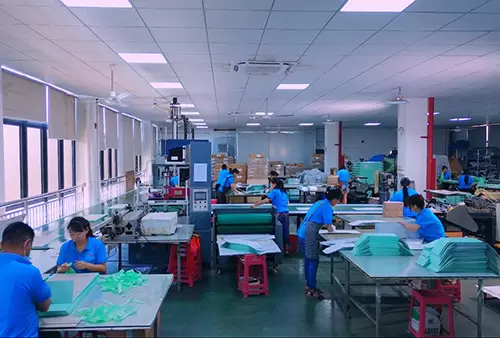
Packaging boxes are often classified by appearance, but appearance alone does not
explain how a box performs. Two packages may carry similar graphics while using
different board thicknesses, closure methods, internal supports and shipping
structures. Those differences affect protection, assembly time, warehouse space,
transportation efficiency and total purchasing cost.
For procurement teams, the most useful approach is to compare packaging by four
factors: structural design, material construction, intended application and
distribution channel. A lightweight retail carton solves a different problem from a
corrugated export case. A rigid magnetic box may create a premium presentation, but
it may still require an additional outer carton for international delivery.
Key Takeaways
- Folding cartons suit lightweight retail products and efficient flat storage.
- Rigid boxes support premium gifts, jewelry, cosmetics and presentation sets.
- Corrugated boxes provide cushioning for shipping, distribution and e-commerce.
- Mailer boxes combine shipping protection with a branded opening experience.
- Magnetic, drawer and lid-and-base boxes suit higher-value products.
- Display boxes support shelf, counter and point-of-purchase presentation.
- Cardboard tubes suit cylindrical products and distinctive retail packaging.
- The correct box depends on dimensions, weight, fragility, channel and brand position.
What Are Packaging Boxes?
A packaging box is a paper-based or board-based container designed to protect,
store, ship, present or organize a product. Packaging boxes may also carry product
information, barcodes, instructions, handling marks, regulatory text and brand
graphics.
The term packaging box type can describe several classification systems.
A buyer may classify a box by structure, such as a drawer box; by material, such as
corrugated fiberboard; by application, such as cosmetic packaging; or by distribution
channel, such as an e-commerce mailer.
Core packaging functions
- Product protection: limiting movement, crushing, scratching and impact.
- Storage: organizing products before shipment, sale or final use.
- Shipping: supporting handling, stacking, courier delivery and palletization.
- Retail presentation: communicating value on shelves and counters.
- Brand communication: presenting logos, colors, claims and instructions.
- Unboxing experience: controlling how the customer opens and removes the product.
- Information display: providing space for labels, traceability and market-specific content.
Because one box rarely performs every function equally well, packaging selection
should begin with the product and its distribution environment rather than with
appearance alone.
Main Types of Packaging Boxes
The principal packaging box structures differ in board construction, assembly method,
closure style and protective capability. Each type is useful for a different purchasing
scenario.
Folding Carton Boxes
A folding carton is a paperboard package that is printed, die-cut, creased, folded and
normally glued along one side. Folding cartons are usually delivered flat and erected
before product filling.
Folding cartons may be produced from solid bleached board, folding boxboard,
kraft-based board or another paperboard selected for the project. The correct material
depends on product weight, printing requirements, surface finishing and target-market
needs.
Best for
Cosmetics, small electronics, candles, confectionery, apparel accessories and
lightweight retail products.
Advantages: Folding cartons provide efficient flat storage, broad
printable surfaces, relatively low material weight and compatibility with manual or
automated packing.
Limitations: A lightweight folding carton generally provides less
impact resistance than rigid or corrugated packaging. Fragile products may require a
fitted insert or a separate shipping carton.
Common customization options include custom printing, spot UV, embossing, debossing,
foil stamping, windows, sleeves and die-cut inserts. Buyers reviewing
cardboard packaging boxes
should clarify whether the carton will be used for shelf presentation, direct shipping
or placement inside an outer case.
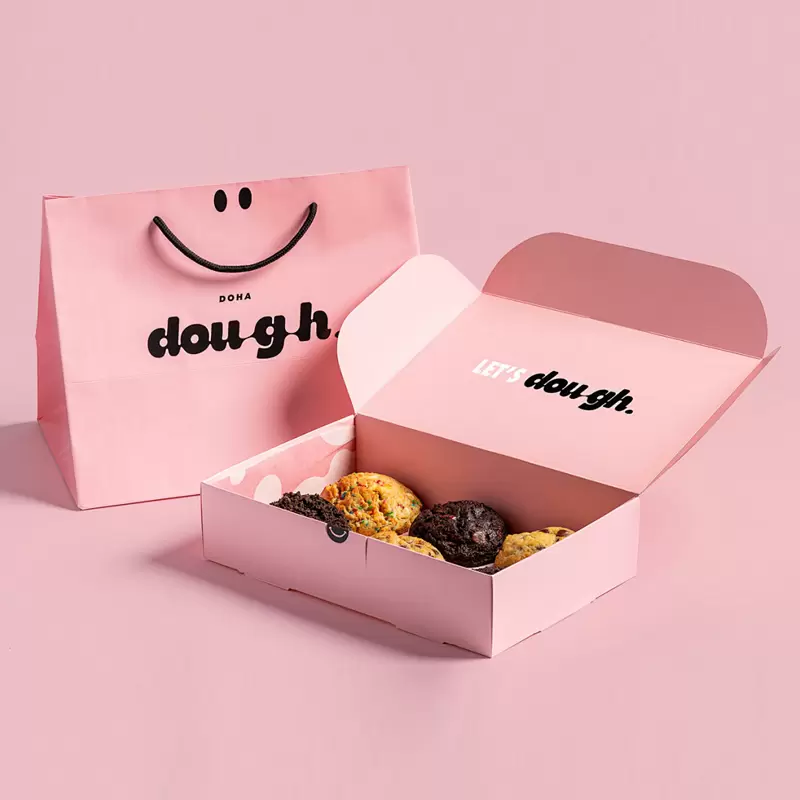
Scatole con lembo ripiegato
A tuck end box is a folding carton with top and bottom flaps that tuck into the box
body. Common configurations include straight tuck end and reverse tuck end boxes.
In a straight tuck end structure, the principal closing flaps generally tuck in the
same direction. In a reverse tuck end structure, the top and bottom flaps tuck from
opposite directions. The preferred structure depends on artwork orientation, opening
direction, assembly method and product shape.
Best for
Cosmetics, personal care products, small electronic accessories and compact retail
goods.
Advantages: Tuck end boxes are easy to erect, efficient to store and
suitable for a wide range of printing and finishing options.
Limitations: A standard tuck closure is not automatically
tamper-evident, moisture-resistant or approved for direct food contact. Such
requirements must be evaluated separately.
Custom tuck end boxes may incorporate printed
graphics, paperboard inserts, windows, locking features and decorative finishes.
Rigid Setup Boxes
A rigid setup box is a non-collapsible package made from thick board that is commonly
wrapped with printed, colored or textured paper. Unlike a folding carton, a conventional
rigid box normally arrives already formed.
Rigid setup boxes provide dimensional stability and a substantial hand feel. They are
often selected when presentation, opening experience and insert fit are more important
than flat storage efficiency.
Best for
Luxury gifts, jewelry, perfume, premium cosmetics, consumer electronics and
presentation sets.
Advantages: Stable structure, premium visual presence, fitted insert
compatibility and extensive decorative finishing options.
Limitations: Conventional rigid boxes occupy more warehouse and
freight volume than flat-packed cartons. A decorative rigid box may also require an
external corrugated carton during distribution.
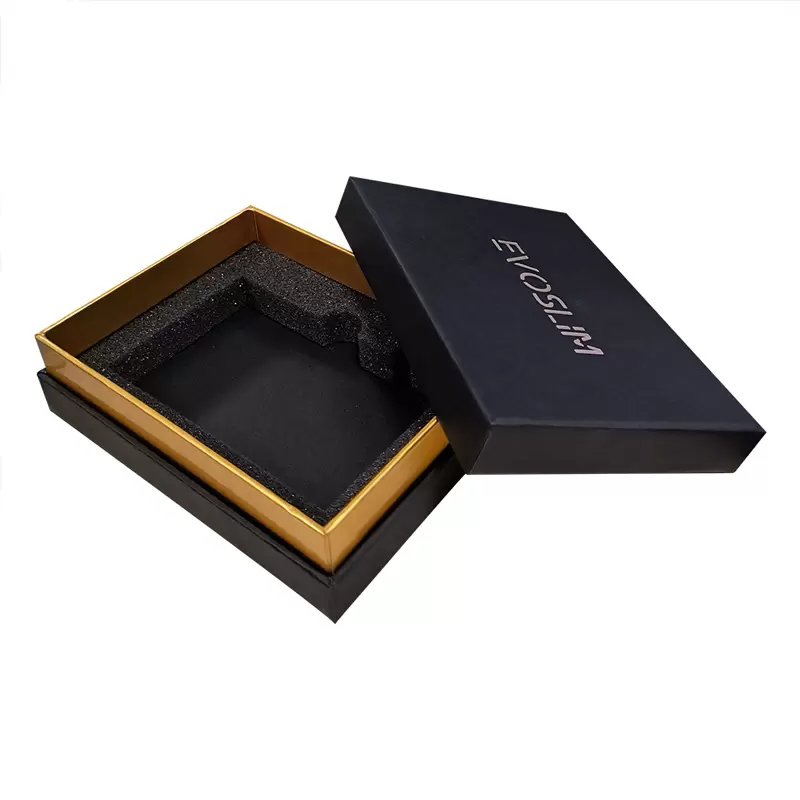
Scatole con coperchio e base
A lid and base box is a two-piece structure with a separate upper cover and lower tray.
It may be manufactured from rigid wrapped board, folding paperboard or another
paper-based construction.
The structure provides a clear product reveal when the lid is removed. Depending on
the design, the lid may cover the full depth of the base or expose a contrasting
shoulder section.
Best for
Gift sets, apparel, jewelry, chocolate, perfume, candles and premium retail products.
Advantages: Clean presentation, straightforward packing and flexibility
in lid depth, inner trays and decorative finishing.
Limitations: Lid and base dimensions must be calibrated carefully.
A lid that is too tight may be difficult to open, while excessive clearance can reduce
perceived quality.
Custom lid and base boxes can incorporate
contrasting colors, shoulders, ribbons, paper inserts and printed or textured wraps.
Scatole con chiusura magnetica
A magnetic closure box is a presentation package with concealed magnets that align
and hold a lid or flap closed. Many magnetic boxes use rigid board, although collapsible
magnetic formats are also available.
The magnetic closure creates a controlled opening action and can improve perceived
product value. Magnets, reinforcement board and wrapping materials, however, affect
package weight, production complexity and end-of-life material separation.
Best for
Premium gifts, jewelry, perfume, cosmetics, clothing sets, technology accessories and
promotional kits.
Advantages: Distinctive opening experience, broad branding area and
compatibility with ribbons and custom inserts.
Limitations: Additional components may increase material use and make
recycling more complicated. Magnetic packaging should not automatically be described
as suitable for every sustainability program.
Buyers considering
magnetic closure boxes
should compare rigid and collapsible formats according to presentation, storage and
international freight requirements.
Cassettiere rigide
A rigid drawer box consists of an outer sleeve and an inner tray that slides outward.
The tray may be opened with a ribbon pull, thumb notch or exposed edge.
Drawer boxes create a gradual product reveal and keep the product framed during
opening. The structure may be produced from fully rigid board or, for some projects,
from lighter paperboard components.
Best for
Jewelry, cosmetics, confectionery, candles, accessories and premium product sets.
Advantages: Controlled presentation, reusable appearance and effective
support for custom inserts.
Limitations: Poor sleeve and tray tolerances can cause excessive
friction or looseness. Physical sampling is important because wrapping thickness and
insert pressure affect movement.
Custom rigid drawer boxes may include ribbons,
foil details, textured wraps, interior printing and die-cut inserts.
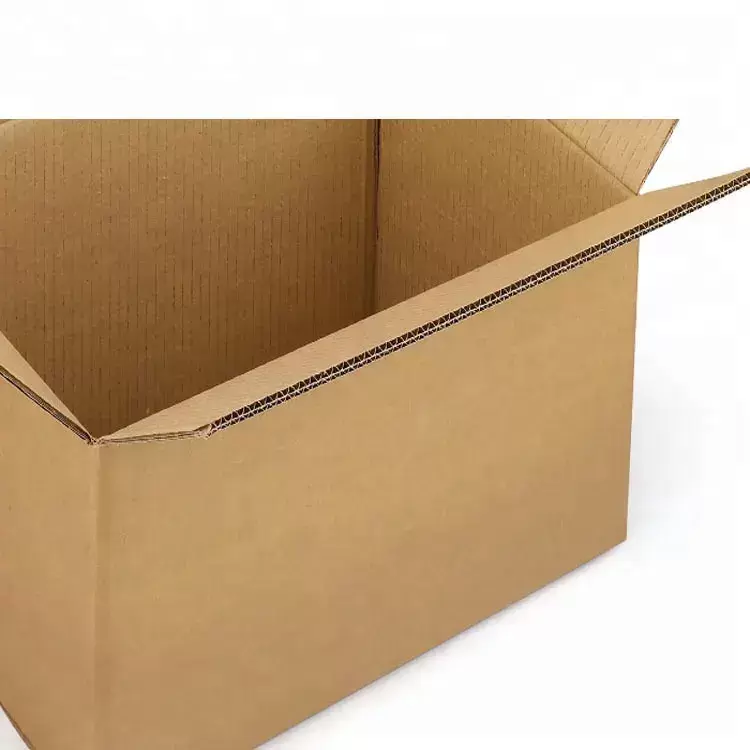
Scatole da spedizione in cartone ondulato
A corrugated shipping box is manufactured from corrugated fiberboard, which typically
combines flat liner sheets with a fluted paper medium. The fluted structure adds depth,
cushioning and stacking resistance.
Corrugated boxes are used primarily for transport, storage and distribution rather than
shelf presentation alone. Board construction must be selected according to box size,
packed weight, stacking conditions and expected handling.
Best for
E-commerce fulfillment, export cartons, warehouse distribution, multi-product packs
and heavier goods.
Advantages: Cushioning, broad size flexibility, stackability and
suitability for shipping labels and handling information.
Limitations: A standard brown shipping case may provide less premium
retail presentation than a printed folding carton or rigid box. Excessive empty space,
moisture and poor stacking can reduce performance.
When specifying
corrugated shipping boxes,
buyers should provide product weight, dimensions, packing quantity and transport
conditions rather than selecting board only by appearance.
Scatole per corrispondenza
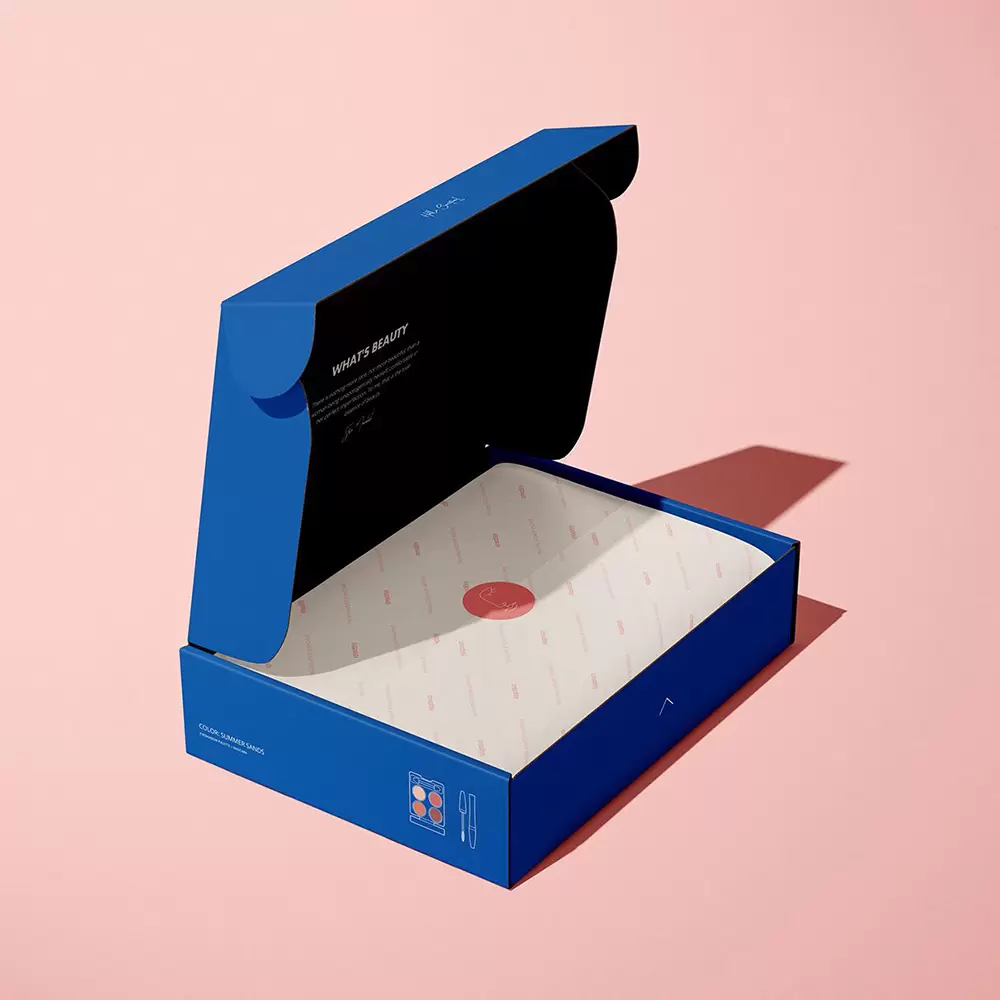
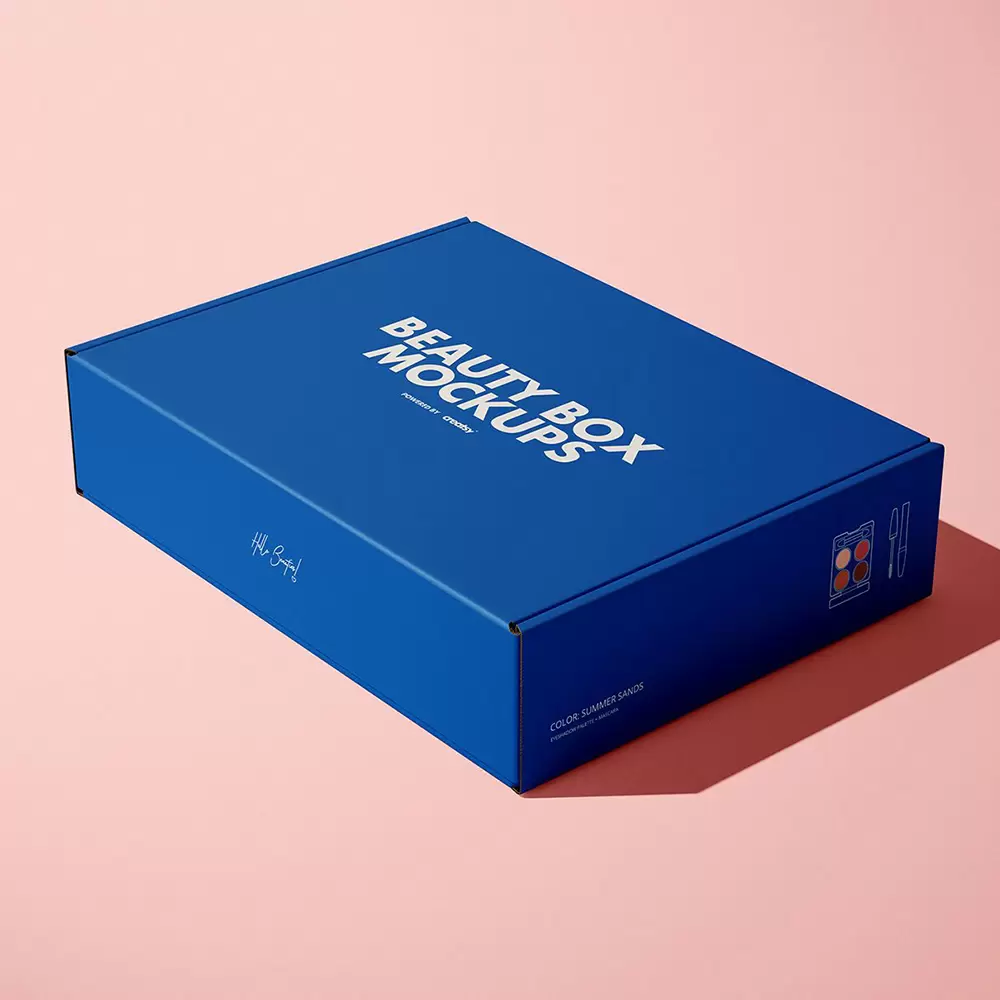
A mailer box is usually a one-piece, self-locking package with an attached hinged lid.
Many mailer boxes are produced from corrugated fiberboard, although lighter paperboard
versions are also possible.
Mailer boxes are common in direct-to-consumer shipping because they can combine
practical protection, exterior branding, interior printing and a presentation-oriented
opening experience.
Best for
Subscription products, apparel, cosmetics, accessories, promotional kits and small
e-commerce orders.
Advantages: Integrated opening experience, printable inner panels,
practical assembly and strong suitability for branded e-commerce fulfillment.
Limitations: A mailer box is not automatically suitable for heavy,
highly fragile or unusually shaped products. Board construction, internal support and
external protection must match the shipment.
Custom mailer boxes may include interior printing,
locking tabs, tear strips, paper inserts and branded exterior graphics.
Scatole espositive
A display box is a package developed to present products on a shelf, counter or
point-of-purchase location. It may hold multiple individual units or convert from a
shipping configuration into an open retail display.
Display packaging must balance visibility, product access, structural stability and
restocking efficiency. Header panels provide branding space, while removable or
perforated sections can expose the products.
Best for
Small consumer goods, cosmetics, confectionery, accessories, sample packs and counter
sales.
Advantages: Efficient organization, brand visibility and support for
retail merchandising.
Limitations: Weak front panels, poorly positioned perforations or an
unstable footprint may reduce shelf performance.
Custom display boxes should be evaluated with the
actual product quantity, weight distribution and intended shelf direction.
Cardboard Tube Packaging
Cardboard tube packaging is a cylindrical paper-based container formed from wound
layers of paper. Depending on the design, a tube may use paper, metal or plastic end
components.
Tubes provide a recognizable profile and can protect products suited to a cylindrical,
rolled or vertically presented format. The outer surface may be wrapped with printed
paper, labeled or decorated with foil and embossing.
Best for
Wine-related presentation, tea outer packaging, gifts, apparel accessories, rolled
products and specialty retail items.
Advantages: Distinctive shape, effective vertical shelf presence and
compatibility with circular artwork.
Limitations: Tubes do not flat-pack like folding cartons and should not
be assumed to provide airtight sealing, direct food-contact compliance or moisture
protection unless specifically designed and verified.
Custom cardboard tubes may use printed wraps,
foil details, embossed surfaces, fitted inserts and contrasting lid components.
Specialty and Custom Structural Boxes
A specialty structural box is developed around a product or presentation requirement
that cannot be met efficiently with a standard format. Examples include window boxes,
book-style packages, multi-compartment kits, unusual die-cut shapes and boxes with
integrated inserts.
Best for
Product launches, gift collections, unusual product shapes, multi-component packages
and brand-specific opening experiences.
Advantages: Precise product fit, differentiated presentation and the
ability to combine several packaging functions.
Limitations: Specialty structures normally require additional
engineering, physical sampling and assembly review. Complexity may also increase
material use and packing labor.
Packaging Box Types by Material
Box structure determines how a package opens, closes and assembles. Material
construction influences its weight, stiffness, print response, folding behavior and
protective capability. The same general box style can perform differently when made
from another board grade or thickness.
Paperboard Boxes
Paperboard is a relatively thin and stiff paper-based material commonly used for
folding cartons. Industry material categories may include solid bleached sulfate,
folding boxboard and kraft paperboard. Actual availability and suitability depend on
the project.
Paperboard provides a smooth printable surface and can be creased for compact folding.
It is generally suitable for lightweight retail products but may require reinforcement,
an insert or a corrugated outer carton during shipping.
Corrugated Fiberboard Boxes
Corrugated fiberboard combines one or more liner sheets with a fluted inner medium.
The flute creates air space and structural depth, helping the board resist impact and
compression more effectively than ordinary folding carton paperboard.
Performance depends on board construction, box dimensions, packed weight, humidity,
stacking pattern and handling conditions. Specific compression or edge-crush
requirements should be defined and tested rather than assumed from flute appearance.
Wrapped Rigid Board Boxes
Wrapped rigid boxes use thick board or grayboard as the structural core and printed,
colored or textured paper as the visible outer surface. The board provides shape and
stiffness, while the wrap provides color and finishing.
Rigid board structures support premium presentation, deep embossing, foil details and
fitted inserts. Their non-collapsible construction normally requires more storage and
transportation volume.
Kraft Paper Packaging
Kraft paper packaging may use natural brown, bleached or printed kraft-based
materials. Unbleached kraft produces an earthy appearance, while bleached grades
provide a lighter base for color reproduction.
A kraft appearance should not be treated as proof of complete environmental
performance. Coatings, laminations, adhesives, windows, handles and local recycling
systems all affect the finished package.
Recycled and FSC-Sourced Paper Options
Recycled content and FSC-certified sourcing describe different packaging attributes.
Recycled content refers to recovered fiber incorporated into a material. FSC
certification relates to responsible forest management and chain-of-custody control
for eligible forest-based materials.
An FSC-certified paper is not automatically made from recycled fiber, and packaging
containing recycled fiber is not automatically FSC certified. Procurement teams should
define whether they require certified sourcing, recycled content, recyclability,
reduced plastic or another measurable sustainability objective.
Important sustainability distinction: The final recyclability of a
box can be affected by plastic film, metallic foil, magnetic components, windows,
adhesives, coatings, foam and the collection systems available in the destination
market.
Comparison of Different Types of Packaging Boxes
| Packaging box type | Typical structure | Protection level | Presentation level | Shipping efficiency | Common applications | Best suited for | Main limitation |
|---|---|---|---|---|---|---|---|
| Folding carton | Printed and creased paperboard, normally side-glued | Low to moderate | Moderate to high | High when supplied flat | Cosmetics, candles, accessories and lightweight retail goods | Efficient shelf packaging | May need an insert or outer carton |
| Tuck end box | Folding carton with tuck-in top and bottom flaps | Low to moderate | Moderate | High | Personal care, small electronics and compact retail goods | Fast manual or automated packing | Not automatically tamper-evident |
| Rigid setup box | Thick board wrapped with printed or decorative paper | Moderate to high | High | Lower because it is normally non-collapsible | Luxury gifts, jewelry, perfume and electronics | Premium presentation and inserts | Higher storage and freight volume |
| Magnetic closure box | Hinged or folding lid with concealed magnets | Moderate to high | High | Varies by rigid or collapsible design | Gift sets, cosmetics, apparel and promotional kits | Controlled opening experience | Magnets complicate material separation |
| Drawer box | Outer sleeve with sliding inner tray | Moderate to high | High | Moderate | Jewelry, confectionery, cosmetics and accessories | Progressive product reveal | Tray tolerance requires testing |
| Lid and base box | Separate cover and lower tray | Moderate to high | High | Moderate to low for rigid versions | Gifts, apparel, chocolate, jewelry and candles | Clean presentation and easy packing | Lid fit requires accurate sizing |
| Corrugated shipping box | Fluted fiberboard case | High when correctly specified | Low to moderate | High for transport and palletization | Shipping, export, storage and e-commerce | Protection and logistics | May lack premium retail presentation |
| Mailer box | One-piece self-locking structure with hinged lid | Moderate | Moderate to high | High for smaller DTC orders | Subscription boxes, apparel, cosmetics and kits | E-commerce branding and unboxing | Not automatically suitable for heavy products |
| Display box | Open tray, header box or convertible shipper | Low to moderate | High at point of sale | Varies | Counter products, samples and retail units | Shelf organization and visibility | Stability depends on product arrangement |
| Cardboard tube | Wound cylindrical paper body with separate end sections | Moderate | High and distinctive | Moderate | Gifts, rolled goods, tea outer packaging and wine presentation | Cylindrical products and specialty display | Not flat-packed or automatically airtight |
Folding Cartons vs. Rigid Boxes vs. Corrugated Boxes
Folding cartons prioritize printing efficiency and flat storage, rigid boxes prioritize
premium presentation and dimensional stability, and corrugated boxes prioritize
cushioning and transportation performance.
Folding Cartons
Folding cartons use thinner paperboard and are normally delivered flat. They
are lightweight, highly printable and efficient for shelf-ready products.
Rigid Boxes
Rigid boxes use thick board and generally arrive assembled. They provide a
substantial presentation but require more storage and freight space.
Corrugated Boxes
Corrugated boxes use a fluted board construction and are normally the most
appropriate option for shipping, stacking and warehouse distribution.
How Buyers Should Decide
Choose according to product weight, fragility, sales channel, presentation,
assembly speed and logistics. Some projects use all three packaging layers.
A project may use a folding carton around the product, a rigid gift box for premium
presentation and a corrugated carton for export. These packaging types are therefore
complementary rather than mutually exclusive.
Mailer Boxes vs. Corrugated Shipping Boxes
Mailer boxes and shipping boxes may both be produced from corrugated fiberboard, but
their structures and typical uses differ. A mailer normally has a hinged lid and
integrated locking panels. A conventional shipping box usually has slotted flaps that
are closed with tape, staples or another suitable closure.
Mailer boxes are frequently selected by e-commerce brands because the lid opens like a
presentation package and the inner panels can carry printed information. Standard
corrugated shipping cases are more adaptable for bulk packs, heavier products, larger
items and outer-carton applications.
A retail box should receive a separate outer carton when the decorative package is not
engineered for shipping labels, abrasion, stacking and courier handling. A rigid gift
box can protect a product internally while still requiring a corrugated case to preserve
its exterior appearance.
Luxury Packaging Box Types
Luxury packaging results from the combined effect of structural design, paper
selection, wrapping quality, color control, surface finishing, insert fit and opening
movement. Adding foil to a weak or poorly fitted package does not automatically create
a premium result.
Common luxury structures include magnetic closure boxes, rigid drawer boxes,
lid-and-base boxes, wrapped setup boxes and specialty gift packaging. These structures
may be enhanced with gold or silver stamping, spot UV, embossing, debossing, textured
paper, matte finishes, ribbons and custom inserts.

Surface finishing should be selected after the paper and wrapping process are confirmed.
Foil, embossing and spot UV may behave differently on coated, uncoated and textured
materials. A physical sample helps confirm foil coverage, embossing depth, color
appearance and surface durability.
Eco-Friendly Packaging Box Options
More responsible packaging design begins with measurable decisions rather than a
general environmental claim. Useful strategies include right-sizing, reducing
unnecessary components, selecting recyclable paper structures, using FSC-sourced
materials when required and improving shipping efficiency.
Paper-based inserts may replace some plastic components, but material substitution
should not reduce product protection to the point that damage and replacement increase.
Sustainability decisions should consider the complete system, including the inner box,
insert, outer carton, packing process and transportation volume.
Flat-packed structures can reduce storage and freight volume. Lightweight design may
reduce material use, but the box still needs adequate strength. Simplifying combinations
of paper, film, magnets, foam and metallic components may also make material separation
easier.
No paper package should be described as recyclable in every location without
qualification. Recyclability depends on complete construction and the collection,
sorting and processing systems available in the destination market.
Packaging Box Types by Industry
Cosmetics and Perfume
Folding cartons, tuck end boxes, rigid boxes, magnetic boxes, drawer boxes and
lid-and-base structures may be used. Selection depends on bottle weight,
fragility, retail positioning and insert requirements.
Jewelry and Luxury Gifts
Jewelry packaging commonly uses drawer boxes, magnetic boxes and lid-and-base
boxes. Insert fit and product position strongly affect presentation.
Clothing and Apparel
Apparel projects may use folding gift boxes, magnetic boxes, mailers, paper
bags and corrugated shipping cartons.
Food, Chocolate and Bakery
Common options include folding cartons, sleeves, display boxes and lid-and-base
boxes. Direct food-contact and barrier requirements must be confirmed separately.
Electronics
Electronics packaging may require rigid boxes, paperboard cartons, corrugated
outer cases, partitions and fitted inserts to reduce movement and scratching.
E-Commerce
Mailer boxes and corrugated shipping boxes are common. The structure should
control empty space and protect the product through courier handling.
Retail Display
Display boxes, tuck end cartons and folding cartons support shelf presentation,
barcode placement and brand information.
Wine and Beverage
Rigid gift boxes, tubes, corrugated cartons and dividers may be considered
according to bottle weight, diameter and glass protection requirements.
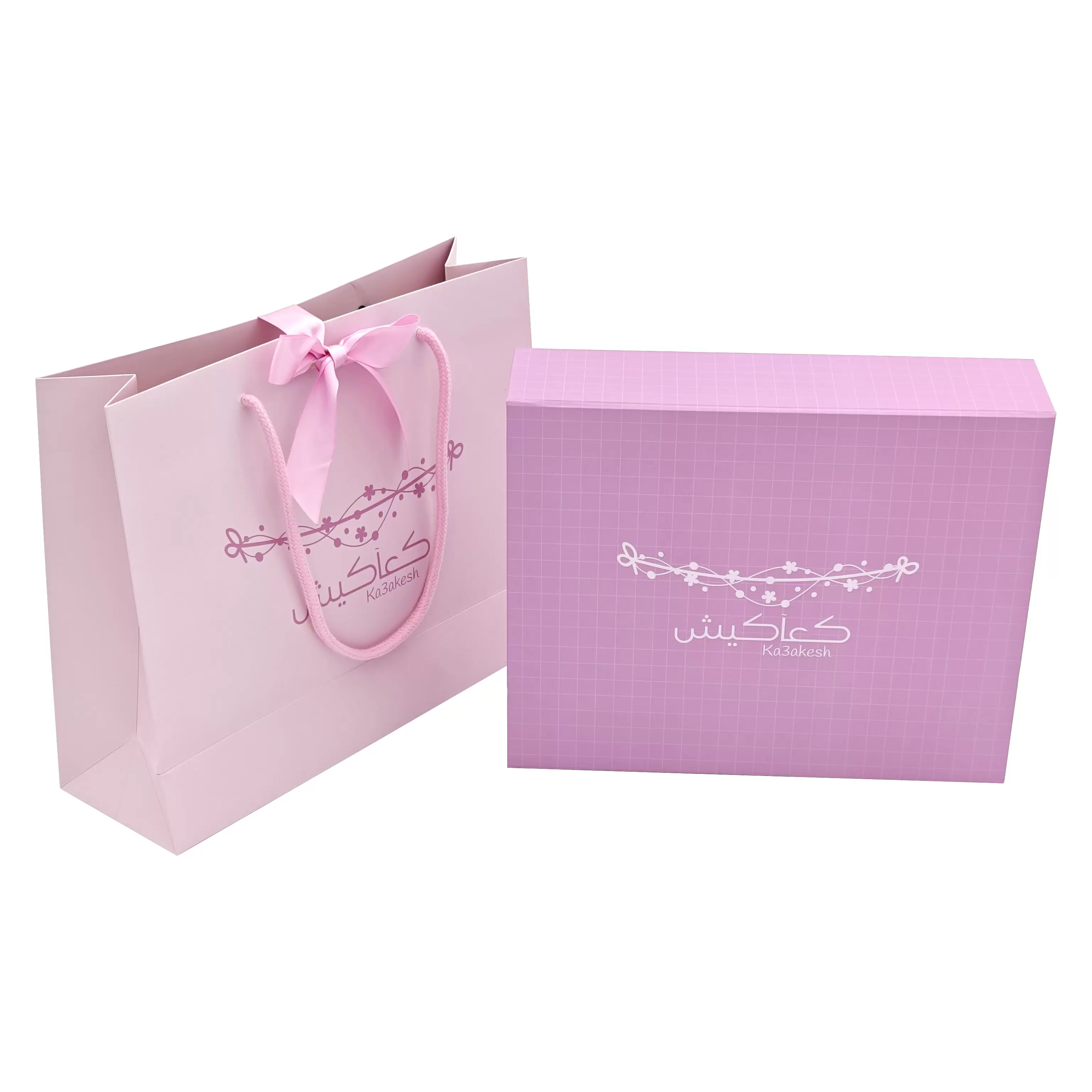
Buyers can review additional
packaging solutions by industry
before defining a new packaging project.
How to Choose the Right Packaging Box Type
-
Confirm product dimensions. Box dimensions affect board usage,
shipping volume, tooling layout and insert geometry. State whether measurements
are internal or external. -
Record product weight. Weight influences paperboard thickness,
corrugated construction, closure strength and bottom support. -
Assess fragility. Glass, delicate finishes and moving components
may require cushioning, partitions or a reinforced outer carton. -
Define the sales channel. Retail shelves, wholesale distribution
and direct-to-consumer shipping create different structural requirements. -
Consider shipping distance. International delivery may involve
additional handling, stacking, humidity changes and warehouse transfers. -
Set the protection requirement. Determine whether the package
needs to limit scratches, absorb impact, control movement or support stacking. -
Clarify brand positioning. Premium rigid packaging and efficient
folding cartons communicate different value signals. -
Plan the unboxing experience. Opening direction, reveal sequence
and product removal influence customer perception. -
Review assembly speed. Complex folds, ribbons and multiple inserts
may increase packing time. -
Check storage space. Flat-packed cartons and collapsible boxes may
reduce warehouse volume. -
Estimate order quantity. Quantity affects tooling, printing,
production planning and unit cost. -
Define printing and finishing. Artwork, colors and surface effects
must be compatible with the selected material. -
Specify insert requirements. Inserts affect protection,
presentation, assembly and product orientation. -
Set sustainability goals. Identify whether the priority is FSC
sourcing, recycled content, reduced plastic, recyclability or lower transport volume. -
Review destination requirements. Labeling, food contact, recycling
and material rules may differ by market. -
Confirm the delivery plan. Structural development, sampling,
artwork approval and production all require sufficient scheduling.
What Information Should Buyers Provide for a Custom Packaging Quote?
An accurate packaging quotation requires more than a product photograph or general box
name. Buyers should provide as much of the following information as possible:
- Product type and intended application
- Internal or external box dimensions
- Product dimensions and packed weight
- Required order quantity
- Preferred packaging structure
- Paper or board direction
- Artwork files and brand colors
- Printing expectations
- Surface finishing requirements
- Insert, partition or cushioning requirements
- Window, ribbon, handle or magnetic closure requirements
- Manual or automated packing method
- Destination country
- Requested delivery schedule
- Certification or sustainability requirements
- Prototype or sample requirements
Internal dimensions describe the usable space inside a package. External dimensions
describe the completed outside size. Confusing the two may cause poor product fit,
inaccurate shipping calculations and quotation errors.
Structure, material, printing, finishing, quantity and delivery requirements should be
evaluated together. A quotation based on incomplete information may change after the
final dieline and sample are approved.
Custom Packaging Development Process
-
Requirement review: Confirm product type, dimensions, weight,
quantity, application, destination market and visual direction. -
Structural evaluation: Identify suitable box styles, opening
methods, closures and protection requirements. -
Material selection: Compare paperboard, rigid board and corrugated
options according to performance and appearance. -
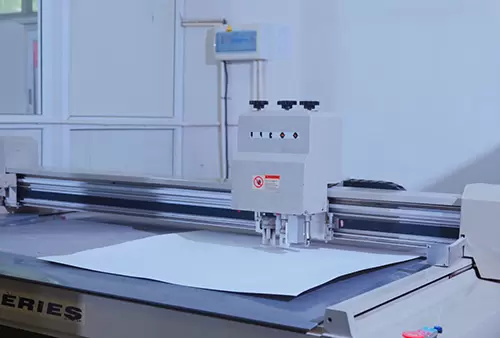
Dieline development: Create the cutting, folding and artwork
framework for the selected structure. -
Prototype production: Verify physical fit, assembly, opening and
closure behavior. -
Artwork and color confirmation: Review file placement, color
expectations and finishing requirements. -
Mass production: Begin printing, die-cutting, forming and assembly
after approval. -
Printing and finishing inspection: Review registration, color,
foil, embossing and surface condition. -
Assembly and packing checks: Confirm folding, gluing, insert fit,
closure and final packing. -
Export packing and shipment preparation: Organize protective
packing and required shipping documents.
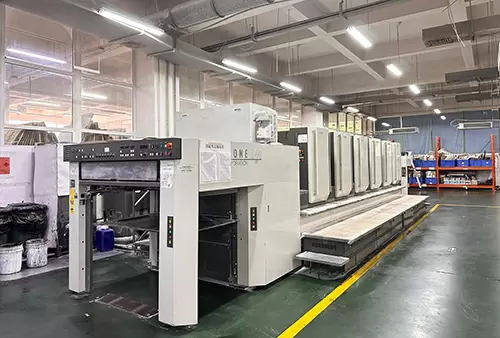
Physical samples are valuable because digital renderings cannot fully demonstrate
board stiffness, lid resistance, drawer friction, foil reflection, embossing depth or
actual product fit.
HENGXING supports
custom packaging solutions,
including structural prototyping, paper box development, printing, finishing, assembly
and packaging inspection.
Common Mistakes When Selecting Packaging Boxes
-
Choosing by appearance alone: A photograph does not show board
strength, assembly time or shipping performance. -
Ignoring product weight: An attractive box may fail when the
bottom or closure is not designed for the packed load. -
Confusing folding cartons with corrugated boxes: Paperboard and
fluted board solve different packaging problems. -
Shipping a premium inner box without an outer carton: Labels,
abrasion and courier handling may damage decorative surfaces. -
Over-packaging: Unnecessary layers increase material use,
transport volume and assembly labor. -
Underestimating insert requirements: A box may fit externally
while allowing the product to move internally. -
Skipping physical fit samples: Dimensions alone may not reveal
loading, opening or product removal problems. -
Ignoring packing labor: Complex folds, ribbons and multiple
components may slow fulfillment. -
Selecting finishes before materials: Foil, UV and embossing results
depend on the substrate and surface treatment. -
Treating FSC and recycled content as identical: They describe
different sourcing and material characteristics. -
Assuming every paper package is fully recyclable: Added components
and local systems affect material recovery. -
Providing incomplete artwork or dimensions: Missing information
reduces quotation and sampling accuracy.
Protective components should be evaluated as part of the complete package. HENGXING
also supports custom
packaging accessories,
including corrugated partitions and die-cut protective inserts.
Why Work With an Experienced Custom Packaging Manufacturer?
An experienced custom packaging manufacturer can help evaluate structural feasibility,
board selection, dieline development, sampling, printing coordination, finishing,
insert fit, quality inspection and export packing. These decisions are connected;
changing one element may affect several others.
XIAMEN HENGXING COLOR PRINTING CO., LTD. was established in 1995 and is based in
Xiamen, Fujian, China. HENGXING has more than 30 years of color printing and custom
paper packaging experience and supports OEM and ODM packaging development.
The confirmed packaging scope includes custom paper boxes, rigid boxes, corrugated
packaging, paper bags and packaging accessories. Project support includes structural
prototyping, printing, finishing, assembly and packaging inspection. HENGXING also
holds FSC, ISO 9001 and SA8000 certifications.
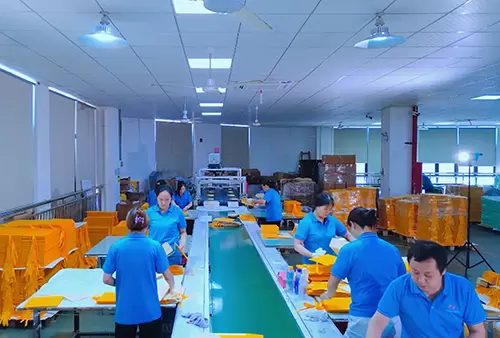
Buyers can review the
HENGXING company profile
before beginning a new custom packaging project.
Frequently Asked Questions About Packaging Box Types
What are the main types of packaging boxes?
The main types include folding cartons, tuck end boxes, rigid setup boxes,
magnetic closure boxes, drawer boxes, lid and base boxes, corrugated shipping
boxes, mailer boxes, display boxes and cardboard tubes. Each type differs in
structure, material, protection, presentation and shipping efficiency.
What is the difference between a folding carton and a rigid box?
A folding carton is normally made from thinner paperboard and supplied flat,
while a rigid box uses thicker board and is commonly supplied already formed.
Folding cartons suit efficient lightweight retail packaging. Rigid boxes provide
a more substantial presentation but use more storage and freight volume.
What is the difference between a mailer box and a shipping box?
A mailer box normally has a hinged lid and integrated locking tabs, making it
suitable for branded e-commerce delivery. A shipping box commonly uses slotted
flaps and external closure. Both may use corrugated board, but shipping boxes are
generally more adaptable for bulk packs and heavier loads.
Which packaging box is best for luxury products?
Magnetic closure boxes, rigid drawer boxes, lid-and-base boxes and wrapped setup
boxes are common luxury packaging choices. The best structure depends on product
shape, weight, opening experience, insert design and freight requirements.
Which packaging boxes are suitable for e-commerce?
Mailer boxes and corrugated shipping boxes are widely used for e-commerce.
Mailers provide a branded opening experience, while corrugated cartons are
suitable for larger, heavier or multi-unit shipments. Fragile products may also
require inserts and an additional outer carton.
What type of box provides the most protection?
Properly specified corrugated packaging generally provides strong shipping
protection among common paper-based box types. Performance depends on board
construction, box dimensions, packed weight, insert design and handling
conditions.
Are all cardboard packaging boxes recyclable?
No. Many paper-based boxes can enter paper recycling streams, but coatings,
laminations, windows, magnets, adhesives, inserts and local recycling systems
affect the final result. The complete package should be evaluated.
Does FSC certification mean the box is made from recycled paper?
No. FSC certification relates to responsible forest management and
chain-of-custody controls. Recycled content refers to recovered fiber used in a
material. An FSC-certified material is not automatically recycled.
What packaging box is best for cosmetics?
Cosmetics may use folding cartons, tuck end boxes, magnetic boxes, drawer boxes,
rigid boxes or lid-and-base packaging. The best structure depends on container
weight, fragility, retail position, insert requirements and shipping method.
What packaging box is best for jewelry?
Rigid drawer boxes, magnetic closure boxes and lid-and-base boxes are common for
jewelry because they support controlled opening and fitted inserts. The insert
should hold the item securely without scratching or excessive pressure.
How do I choose the correct box size?
Measure the product in its packed orientation and allow space for inserts,
protective wrapping and loading tolerance. Clearly state whether the requested
measurements are internal or external. A physical sample is recommended when fit
is critical.
What information is needed for a custom packaging quotation?
Provide product type, dimensions, weight, quantity, preferred structure, material
direction, artwork, colors, printing, finishing, inserts, destination country and
delivery expectations. Complete information supports more accurate planning and
quotation.
Can packaging boxes be customized with inserts?
Yes. Boxes can use paperboard inserts, corrugated partitions, wrapped platforms
and die-cut protective components. The insert should be developed around the
actual product dimensions, weight, removal method and presentation requirements.
Which finishing options can be added to custom boxes?
Common options include gold or silver stamping, spot UV, embossing, debossing,
matte finishes, textured papers, custom printing and interior printing. Finishes
should be evaluated with the selected paper and coating.
Should a retail box also have an outer shipping carton?
Often, yes. A retail box may provide presentation and basic protection without
being designed for shipping labels, abrasion, stacking and courier handling. A
corrugated outer carton can protect decorative surfaces during distribution.
There is no single packaging box type that is ideal for every product. Folding
cartons, rigid boxes, corrugated cartons, mailer boxes and specialty structures solve
different problems involving protection, presentation, storage, assembly and logistics.
The most reliable selection process begins with product dimensions, packed weight,
fragility, sales channel, shipping conditions and destination requirements. Material
and finishing decisions should follow structural requirements rather than replace them.
Physical samples and product-fit testing reduce uncertainty before mass production.
They allow buyers to evaluate board stiffness, opening behavior, insert fit, assembly,
printing and finishing under realistic conditions.
Prepare Your Custom Packaging Project
To evaluate a suitable packaging structure, provide product dimensions, packed
weight, order quantity, artwork, preferred box type, material direction, surface
finishing, insert requirements, destination market and delivery plan.
Request a custom packaging quote
from HENGXING for structural review, material evaluation and custom paper packaging
support.
Need Custom Eco-Friendly Packaging Boxes for Your Project?
Get factory-direct pricing and technical support from our experts within 24 hours.
Request a Quick Quote