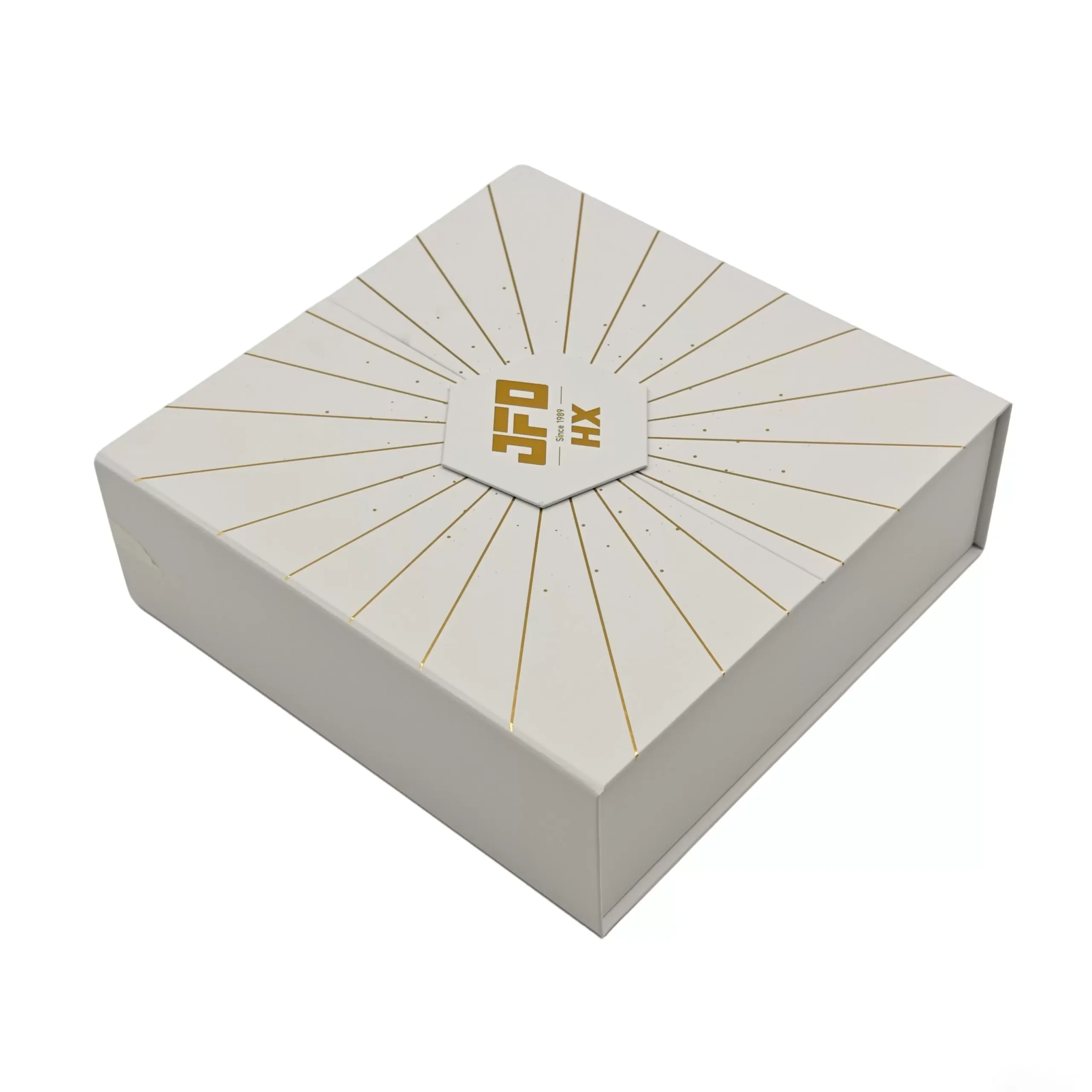
How to Choose Packaging Boxes
How to Choose Packaging Boxes: A Technical Guide to Structure, Materials and Product Protection
Choosing a packaging box is a multidisciplinary decision involving product
protection, structural engineering, material selection, printing, packing
operations, transportation, retail presentation, sustainability and total
supply-chain cost.
คำตอบสั้นๆ: To choose the right packaging box, first define
the product dimensions, packed weight, fragility, sales channel, shipping
environment and required presentation level. Then select a suitable structure,
material, insert, closure and surface finish. The final choice should be
confirmed through a physical sample and, where necessary, transport or
performance testing.
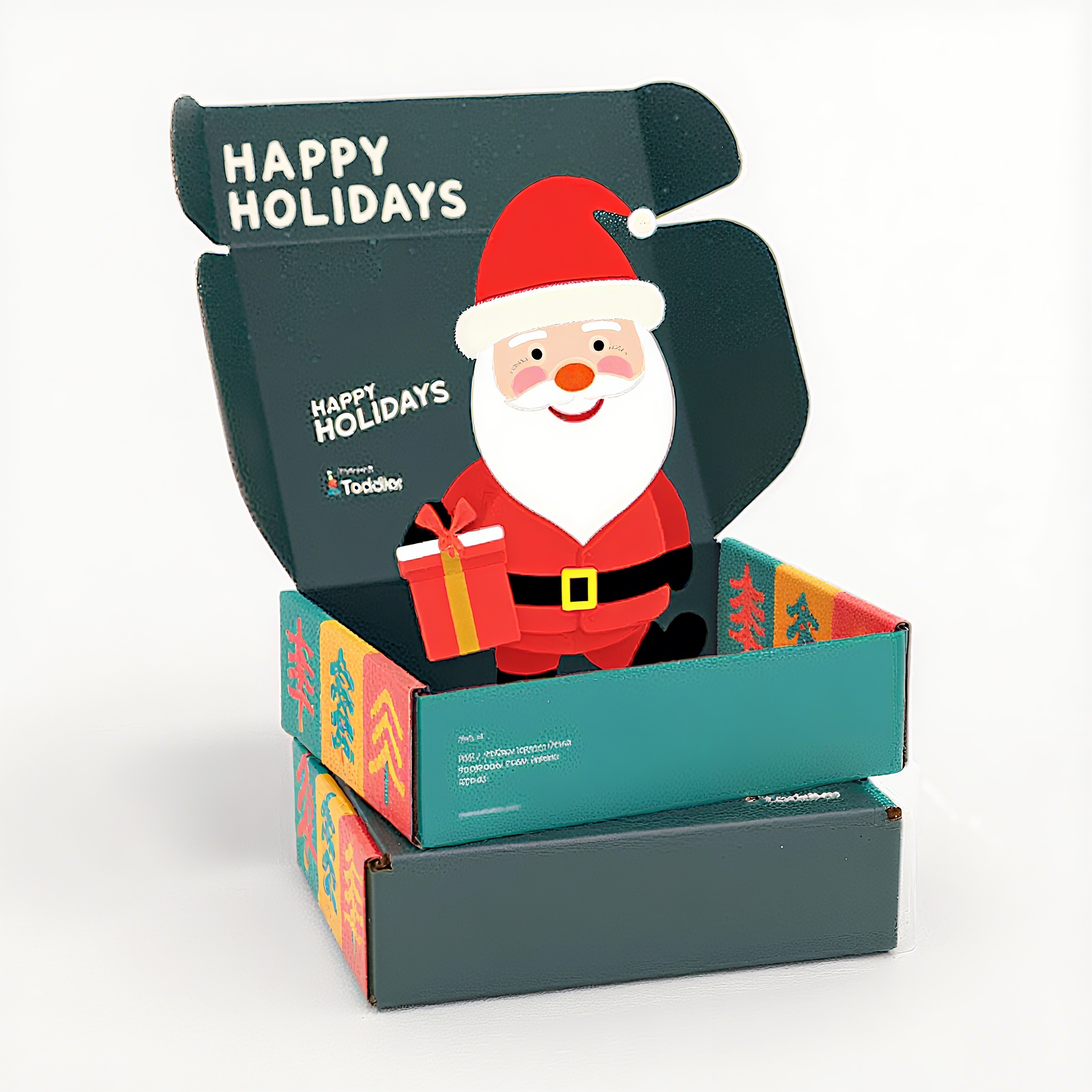
decorative finishing is finalized.
Packaging is often treated as a visual design exercise, but the scientific and
engineering function of a box begins before color, typography or surface decoration is
selected. A package must first contain the product, maintain its intended position,
withstand foreseeable handling and support the required distribution process.
An attractive box that cannot resist product weight, a strong transport carton that
wastes excessive space, or a sustainable-looking package that causes product damage
represents an incomplete design solution. The appropriate package is therefore not
necessarily the strongest, cheapest, lightest or most decorative box. It is the box
that satisfies the complete set of product, operational, commercial and environmental
requirements with the least unnecessary material and complexity.
Key Principles for Packaging Selection
- Begin with the physical product rather than a reference photograph.
- Distinguish internal box dimensions from external shipping dimensions.
- Select structure before finalizing printing and surface finishing.
- Match board strength to packed weight and distribution conditions.
- Use inserts to control movement, not merely to fill empty space.
- Separate retail presentation requirements from shipping protection.
- Evaluate packing labor, storage volume and transportation efficiency.
- Confirm the final structure with an actual product-fit sample.
What Does “Choosing the Right Packaging Box” Mean?
The phrase “right packaging box” should be understood as a functional match between a
product and a packaging system. A box is not evaluated in isolation. Its performance
depends on the product, insert, closure, surface treatment, outer shipping carton,
pallet configuration and distribution environment.
Packaging selection generally attempts to balance six objectives:
การควบคุม
The package must hold the product and any accessories in the intended quantity
and orientation without uncontrolled movement.
การคุ้มครอง
The package should reduce foreseeable risks from impact, compression,
vibration, abrasion, dust and ordinary handling.
Operational Efficiency
The box should be practical to store, erect, fill, close, label, pack and ship
within the buyer’s operating system.
การสื่อสาร
Packaging provides space for branding, product information, instructions,
barcodes and market-specific labeling.
การนำเสนอ
The opening sequence, structural proportions, material and finishing influence
how customers perceive the product.
การใช้ทรัพยากรอย่างมีประสิทธิภาพ
The design should avoid unnecessary material, excessive empty space and
components that do not contribute to protection or commercial value.
A packaging box should be selected as part of a complete packaging system, not as a
decorative object separated from product weight, packing operations and transportation.
Step 1: Define the Product Before Selecting the Box
Product definition is the foundation of box selection. A packaging manufacturer cannot
reliably recommend a structure from a product name alone. Two products within the same
category may differ significantly in dimensions, center of gravity, surface sensitivity,
breakability and packing orientation.
-
Measure the product in its packed orientation.
Record length, width and height after any cap, cable, accessory, protective film or
primary container has been included. -
Record the total packed weight.
Include the product, accessories, instruction materials, inner wrapping, insert and
any additional components placed inside the box. -
Identify vulnerable areas.
Corners, glass surfaces, protruding controls, closures, handles and cosmetic
surfaces may require localized support. -
Define the permitted orientation.
Some products can be packed horizontally or vertically, while others require a
fixed direction to protect contents or maintain presentation. -
Assess surface sensitivity.
Glossy, painted, polished and printed products may need tissue, sleeves or soft
contact surfaces to reduce scratching.
Measurement warning: Do not use only the product’s nominal catalog
dimensions. Packaging dimensions should be based on the actual packed condition,
including tolerances, accessories and protective components.
Step 2: Distinguish Internal and External Box Dimensions
Internal dimensions describe the usable space available for the product and insert.
External dimensions describe the finished outside size of the box. The difference
between them depends on board thickness, wall construction, wrapping materials and the
number of structural layers.
This distinction is especially important for rigid boxes and corrugated cartons.
Thick board, double walls, rolled edges and shoulder structures can add substantial
material outside the usable product cavity.
Practical dimension logic:
Product dimensions + protective clearance + insert allowance = required internal
packaging space.
Required internal space + structural wall thickness = approximate external box
dimensions.
Excessive clearance can allow movement and increase shipping volume. Insufficient
clearance can make packing difficult, compress the insert or damage the product.
Appropriate tolerance depends on material behavior, assembly method and product shape;
it should not be selected through one universal number.
Step 3: Evaluate Product Weight and Structural Load
Weight affects the box base, sidewall stability, closure, carrying method and stacking
performance. A lightweight folding carton that performs well for a cosmetic tube may
not be appropriate for a glass bottle or dense electronic component of similar size.
The relevant question is not only how much the product weighs. Buyers should also
consider how that weight is distributed. A compact object with a concentrated load can
stress the box base more severely than a larger object of the same total weight.
Structural factors influenced by product weight
- Paperboard or corrugated-board construction
- Bottom closure and locking method
- Need for a rigid base or reinforcement panel
- Insert material and load-bearing area
- Handle design for paper bags or carrying boxes
- Stacking arrangement inside the master carton
- Number of retail units packed in one shipping carton
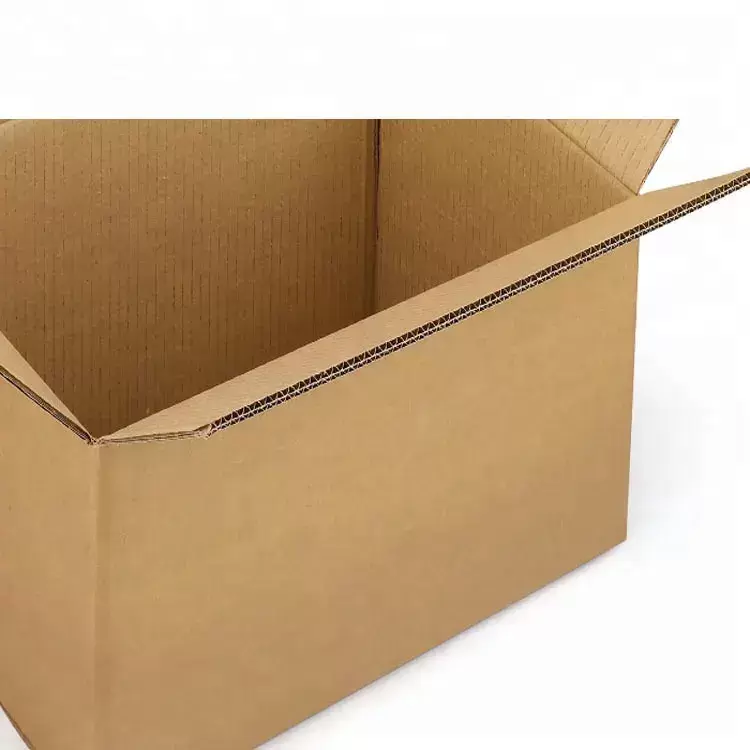
For heavier products, corrugated packaging or reinforced rigid structures are often
more appropriate than lightweight folding paperboard. However, the exact board
specification should be based on the completed box, packed weight and distribution
conditions rather than flute name or thickness alone.
Step 4: Assess Product Fragility and Protection Requirements
Fragility describes how easily a product can be damaged by mechanical or environmental
stress. Packaging protection should be proportional to the actual risk rather than
based only on product price.
A low-cost glass item may require more cushioning than an expensive textile product.
Similarly, a product may remain mechanically functional after a drop while still being
commercially unacceptable because its visible finish is scratched.
Common protection objectives
Movement Control
Preventing the product from sliding, rotating or striking the box walls during
handling.
Impact Reduction
Using crushable space, cushioning or structural distance to reduce the energy
transferred to the product.
Compression Resistance
Supporting the product and package under stacking, warehouse and transport
loads.
Surface Protection
Reducing abrasion, rubbing and contact marks on decorative or sensitive
surfaces.
Protection can be provided by the box wall, an insert, a partition, a sleeve, tissue,
wrapping material or an external shipping carton. The best system uses each component
for a defined function.
Step 5: Identify the Sales and Distribution Channel
A package designed for a retail shelf faces different conditions from a package sent
through parcel delivery. Retail packaging emphasizes appearance, information display
and shelf dimensions. E-commerce packaging must tolerate sorting, stacking, labels and
repeated handling.
| Distribution channel | Primary packaging requirement | Common box direction | Typical risk | Selection priority |
|---|---|---|---|---|
| Physical retail | Shelf presentation, product information and efficient stocking | Folding carton, tuck end box, display box or rigid presentation box | Scuffing, shelf compression and handling by shoppers | Presentation and shelf efficiency |
| E-commerce parcel delivery | Protection through courier and sorting systems | Corrugated mailer or shipping carton | Impact, compression, puncture, labels and weather exposure | Protection and dimensional efficiency |
| Wholesale distribution | Multiple-unit packing and warehouse handling | Retail inner boxes inside corrugated master cartons | Stacking and repeated loading | Pack density and carton strength |
| Premium gifting | Controlled reveal and visual quality | Rigid box, magnetic box, drawer box or lid-and-base box | Surface damage and poor opening fit | Presentation and structural precision |
| International export | Long-distance handling and pallet stability | Retail box plus protective corrugated outer carton | Compression, vibration, humidity variation and multiple transfers | Complete packaging-system performance |
Retail packaging and shipping packaging are not always the same
A premium retail box may protect the product under normal handling but remain
vulnerable to shipping labels, conveyor abrasion or direct stacking. In such cases,
the retail box should be treated as an inner presentation package and placed inside an
appropriate shipping carton.
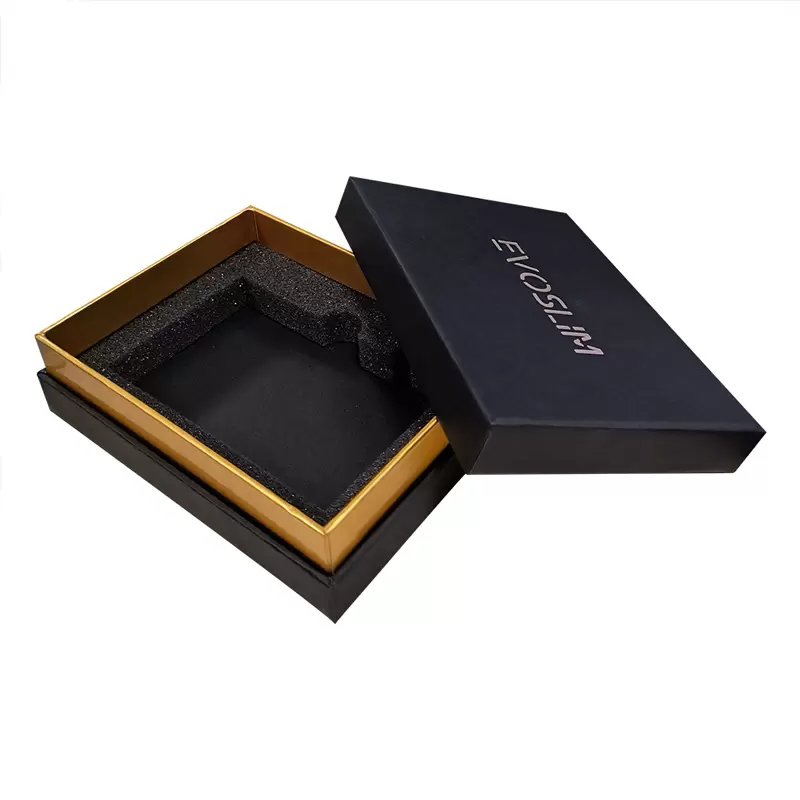
a separate corrugated shipping carton.
Step 6: Select the Appropriate Packaging Structure
Box structure determines how the package is manufactured, stored, assembled, opened
and closed. Structural selection should precede detailed graphic design because panel
dimensions, crease locations, glue areas and closures affect the usable artwork area.
Folding Carton
A printed paperboard box supplied flat and erected before filling.
Suitable for
Lightweight retail products, cosmetics, personal care, confectionery and
accessories.
Main advantage: Efficient storage and large printable area.
Corrugated Shipping Box
A transport package manufactured from fluted fiberboard.
Suitable for
Shipping, wholesale distribution, heavier products and master cartons.
Main advantage: Structural depth and cushioning.
Mailer Box
A one-piece box with a hinged lid and integrated locking panels.
Suitable for
E-commerce, subscription products, apparel and promotional sets.
Main advantage: Combines shipping function with unboxing
presentation.
Rigid Setup Box
A thick-board box that is normally wrapped and supplied already formed.
Suitable for
Jewelry, perfume, gifts, premium cosmetics and electronics.
Main advantage: Stable structure and premium hand feel.
กล่องลิ้นชัก
A sleeve-and-tray structure that reveals the product through sliding movement.
Suitable for
Jewelry, candles, confectionery, cosmetics and accessories.
Main advantage: Controlled product reveal.
กล่องที่มีฝาและฐาน
A two-piece package consisting of a separate cover and lower tray.
Suitable for
Gift sets, apparel, chocolate, candles and premium retail products.
Main advantage: Simple loading and clean presentation.
More detailed structural comparisons can be connected to the website’s
types of packaging boxes guide.
Step 7: Choose the Packaging Material
Material selection should be based on structural function, printing requirements,
product weight, environmental exposure and target-market expectations. Material names
alone do not determine final box performance; thickness, fiber composition, moisture,
grain direction and converting quality also matter.
Paperboard
Paperboard is commonly used for folding cartons. It offers good printing surfaces and
efficient flat storage. Depending on grade and thickness, it is generally most suitable
for lightweight or moderately weighted retail products.
Corrugated Fiberboard
Corrugated fiberboard combines flat liner sheets with a fluted medium. The flute adds
structural depth and can improve cushioning and compression performance. Corrugated
board is frequently used for mailers, shipping cartons, partitions and retail-ready
packaging.
Wrapped Rigid Board
Rigid boxes typically use thick board as a structural core and printed, colored or
textured paper as the visible wrap. This construction creates dimensional stability
and a premium appearance but normally occupies more storage and freight volume.
Kraft-Based Materials
Kraft-based materials can provide natural brown or bleached surfaces. A brown kraft
appearance may support a simple or natural visual direction, but it should not
automatically be interpreted as proof of recyclability or lower environmental impact.
Material principle: The selected material must be evaluated as part
of the completed package. Coatings, films, magnets, windows, foam, adhesives and
inserts can change both performance and end-of-life characteristics.
Step 8: Design the Insert and Internal Support
An insert controls product position and can provide cushioning, separation, display
height and an organized opening experience. An insert should not be selected only by
appearance; its geometry should reflect product weight, removal method and vulnerable
areas.
Questions to ask before selecting an insert
- Must the insert carry the product’s full weight?
- Does the product need clearance from the outer box walls?
- Which surfaces may safely contact the insert?
- Will the customer remove the product by lifting, pulling or tipping?
- Are accessories packed beside, below or above the main product?
- Does the insert need to survive repeated use?
- Can a paper-based insert provide sufficient support?
- Does the target market impose specific material restrictions?
Common insert directions include folded paperboard platforms, corrugated partitions,
wrapped board trays and die-cut protective components. The appropriate construction
depends on the actual project and should be physically sampled.
Step 9: Evaluate Mailer Boxes for E-Commerce
Mailer boxes are frequently selected for direct-to-consumer products because they can
provide both transportation function and brand presentation. Their hinged lid also
creates a larger interior area for printed instructions or brand communication.
However, a mailer box should not be chosen merely because it looks appropriate for
e-commerce. Buyers should evaluate board construction, product weight, empty space,
closure security, insert design and whether additional sealing is required.
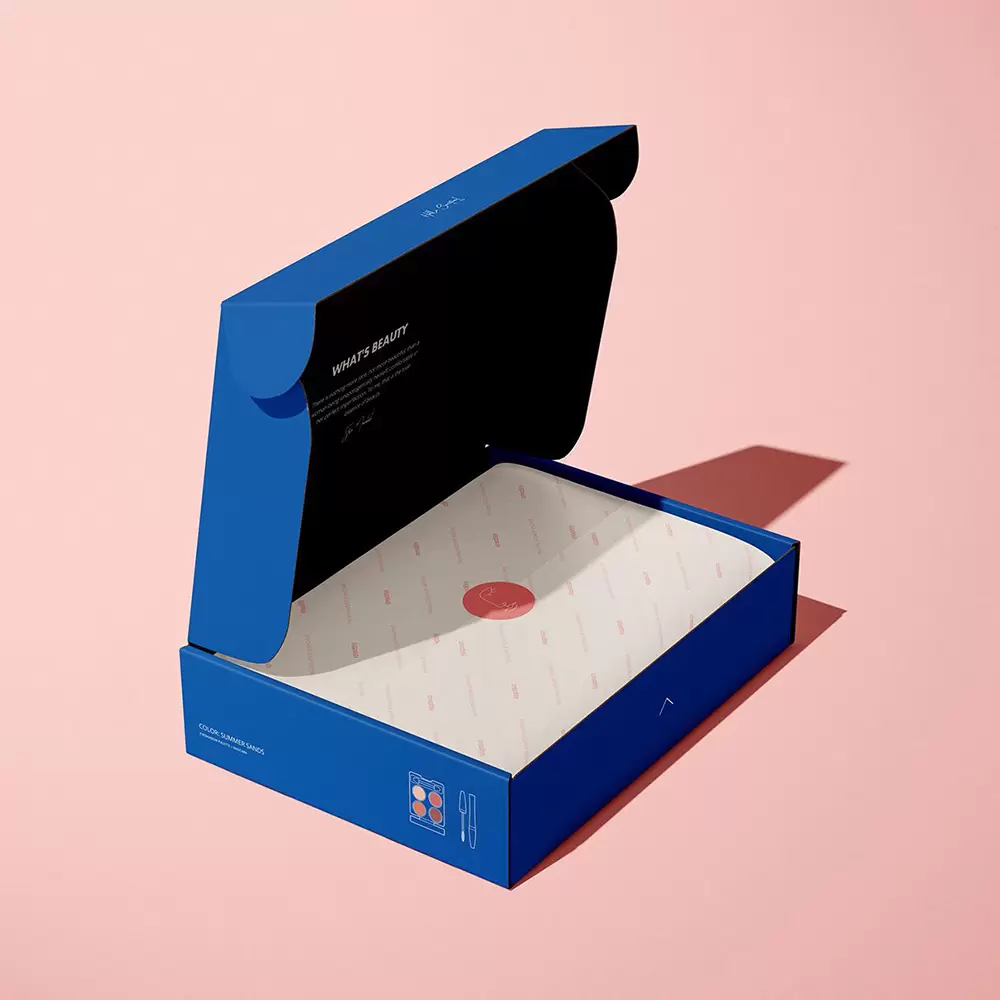
product reveal.

distribution.
Buyers can review additional structural options on the
custom mailer boxes page.
Step 10: Match Packaging to the Product Industry
Industry category does not determine one universal box type, but it helps identify
recurring functional requirements. The final structure must still be based on the
specific product.
| Industry | Common packaging structures | Important selection factors | Frequent mistake |
|---|---|---|---|
| Cosmetics and perfume | Folding cartons, rigid boxes, drawer boxes and magnetic boxes | Bottle weight, glass protection, insert fit and surface appearance | Choosing finishing before confirming structural support |
| Jewelry | Rigid drawer, lid-and-base and magnetic closure boxes | Product position, scratch prevention and controlled reveal | Using an insert that holds the item too tightly |
| Apparel | Folding gift boxes, mailers, rigid boxes and paper bags | Garment folding method, volume, presentation and returns | Sizing the box from unfolded garment dimensions |
| Food and bakery | Folding cartons, mailers, sleeves and display boxes | Product contact, grease, moisture, ventilation and local requirements | Assuming ordinary paperboard is suitable for direct food contact |
| Electronics | Rigid boxes, folding cartons, corrugated cartons and protective inserts | Impact, movement, cable organization and surface protection | Making unsupported anti-static claims |
| Wine and beverages | Rigid boxes, tubes, corrugated cartons and partitions | Glass separation, bottle weight, base support and carrying method | Relying on decorative packaging as the sole shipping container |
Step 11: Select Printing and Surface Finishing
Printing and finishing should communicate brand identity without reducing structural
performance or creating unnecessary material complexity. Surface appearance depends
on the interaction between ink, paper, coating, lamination and the selected finishing
process.
Common decorative options
- Custom process or spot-color printing
- Gold or silver foil stamping
- UV แบบจุด
- การปั๊มนูน
- การกดลายนูนต่ำ
- Textured paper
- Matte surface treatment
- Interior printing
- Ribbons and handles
- Contrasting inner and outer colors
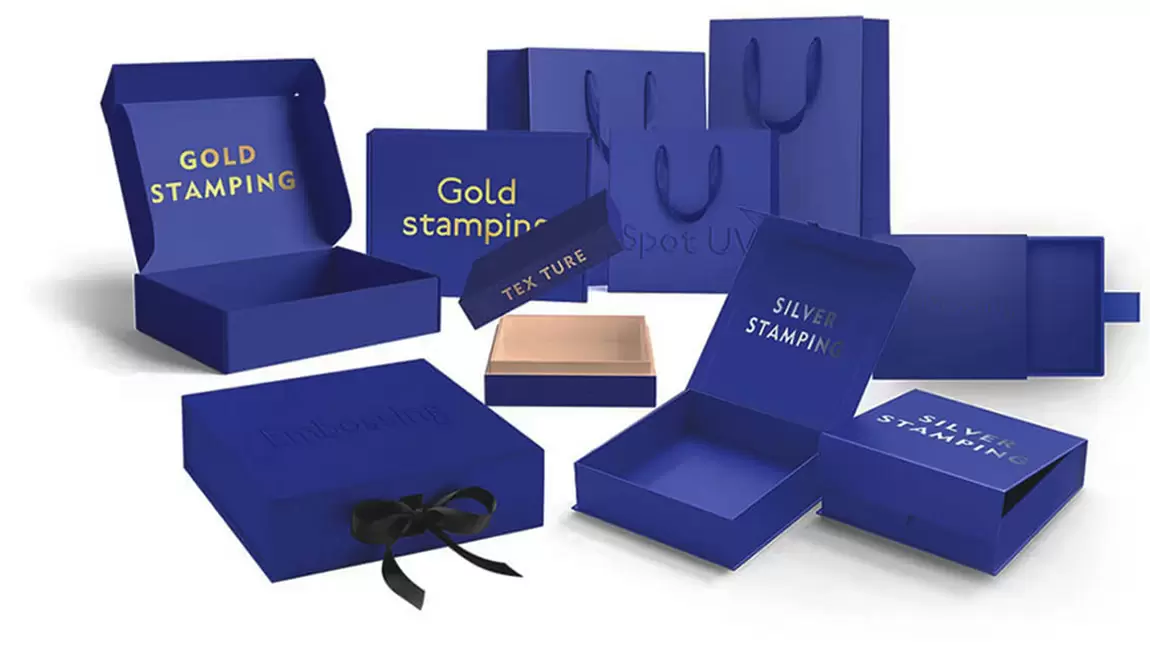
process have been confirmed.
A finishing process that performs well on smooth coated paper may produce a different
result on textured or uncoated material. For that reason, visual approval should be
based on a physical material and finishing sample where color or texture is critical.
Step 12: Control Color and Print Expectations
Printed color can be influenced by paper whiteness, ink absorption, surface coating,
lighting and the difference between screen-based and physical color systems. A digital
visual should therefore be treated as a design reference rather than a complete
prediction of printed output.

tolerances and viewing conditions must still be agreed for the project.
Buyers should provide original artwork files, identify critical brand colors and clarify
whether a physical color reference is available. Color approval procedures should be
agreed before mass production, particularly for packaging that must match products,
labels or paper bags.
Step 13: Evaluate Sustainability Without Oversimplification
Packaging sustainability should not be judged from one material label or visual
impression. A responsible assessment considers material origin, total material weight,
production complexity, transport efficiency, product protection, reusability and the
recovery systems available in the destination market.
Practical sustainability questions
- Can the box be reduced in size without increasing damage risk?
- Can unnecessary plastic or foam components be removed?
- Can a paper-based insert perform the required protective function?
- Does the packaging need lamination for actual performance?
- Can a flat-packed structure reduce freight and storage volume?
- Is FSC-certified sourcing required?
- Is recycled content required, and at what level?
- Can the finished package be separated into material components?
- Is the packaging compatible with the destination market’s collection system?
FSC and recycled content are not the same: FSC certification
concerns responsible forest management and chain-of-custody controls. Recycled
content concerns recovered fiber in the material. One does not automatically prove
the other.
A package made primarily from paper is not automatically recyclable in every market.
Films, magnets, windows, adhesives, metallic components and mixed-material inserts may
affect local recovery.
Step 14: Calculate Total Packaging Cost, Not Only Unit Price
The quoted unit price of a box represents only one component of packaging cost. A
technically cheaper structure can create greater expense through packing labor,
warehouse volume, product damage, excess freight or inefficient palletization.
Total packaging cost may include:
Box cost + insert cost + assembly labor + storage cost + shipping volume +
damage-related cost + inspection cost + disposal or recovery considerations.
Examples of hidden cost
- A complex folding structure may require additional manual assembly.
- A non-collapsible rigid box may increase storage and ocean-freight volume.
- An oversized mailer may require more void fill and increase parcel charges.
- An under-specified carton may increase damage or customer complaints.
- An insert that is difficult to load may slow the packing line.
- Excessive decorative components may increase both assembly and material separation.
Packaging optimization is therefore a systems problem. The objective is not to minimize
the price of one component while transferring cost or risk to another stage.
Step 15: Consider Assembly and Packing Operations
The most visually impressive box may be unsuitable if it cannot be assembled and filled
efficiently. Buyers should review who will erect the box, insert the product, apply
labels, close the package and pack it into the master carton.
Operational questions
- Will the box be supplied flat or fully assembled?
- Is assembly manual, semi-automatic or automatic?
- How many folding and locking steps are required?
- Does the insert remain stable during product loading?
- Can the product be inserted without scratching?
- Does the closure require tape, adhesive, magnets or locking tabs?
- Can workers identify the correct orientation easily?
- How many completed boxes fit in one export carton?
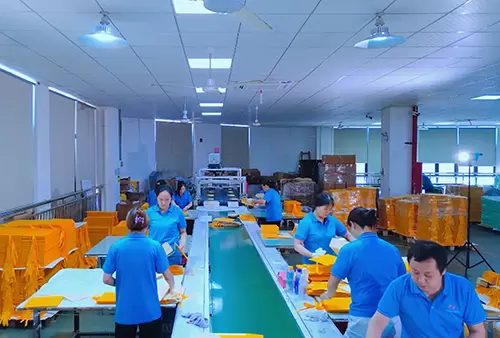
not only after mass production begins.
Step 16: Develop and Test a Physical Sample
A physical sample is one of the most important stages in custom packaging development.
A three-dimensional rendering can communicate appearance, but it cannot reproduce board
stiffness, lid resistance, drawer friction, crease behavior, closure force or actual
product fit.
Sampling may begin with an unprinted structural prototype. This allows the buyer to
evaluate dimensions, loading, opening and insert fit before paying for full printing
and decorative finishing.
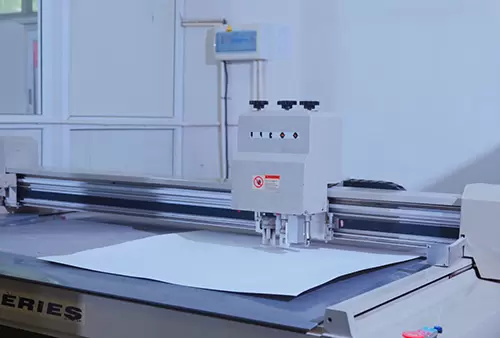
tooling and mass printing.
What should be checked on a sample?
- Internal dimensions and product clearance
- External dimensions and shipping fit
- Insert pressure and product removal
- Base strength and closure security
- Lid opening force or drawer movement
- Crease quality and folding accuracy
- Artwork position and readable text
- Color appearance on the selected paper
- Foil, embossing or spot-UV registration
- Pack-out time and worker handling
Step 17: Confirm Printing and Mass-Production Controls
Once the structural sample is approved, artwork and manufacturing specifications should
be frozen before mass production. Changes to board thickness, coating, insert geometry
or closure design can alter the final result even when the visible artwork remains
unchanged.
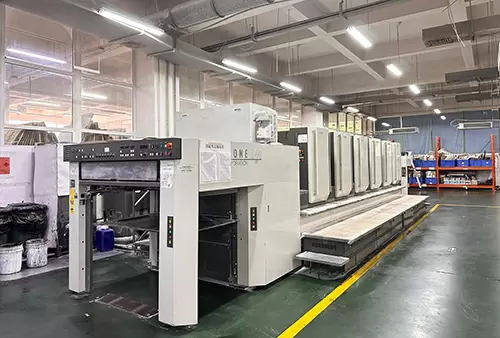
material, artwork, color and surface finishing.
Quality review may include dimensions, print registration, color consistency, crease
integrity, glue position, surface condition, insert fit, assembly and final export
packing. The precise inspection plan should reflect the product and packaging risks.
A Practical Packaging Box Decision Matrix
| Product condition | Likely structure direction | Material direction | Insert requirement | Additional consideration |
|---|---|---|---|---|
| Lightweight retail product | Folding carton or tuck end box | Printable paperboard | Optional light paperboard support | Retail shelf dimensions and barcode area |
| Fragile glass cosmetic bottle | Folding or rigid inner box plus shipping carton | Paperboard or rigid board with corrugated outer case | Fitted protective insert | Glass separation and drop risk |
| Premium jewelry item | Rigid drawer, magnetic or lid-and-base box | Wrapped rigid board | Presentation insert | Scratch protection and product reveal |
| E-commerce apparel | Corrugated mailer box | Lightweight corrugated board | Usually minimal | Returns, dimensional weight and interior printing |
| Heavy industrial component | Reinforced corrugated shipping carton | Project-specific corrugated construction | Partitions or load-bearing support | Concentrated load and pallet handling |
| Multi-item gift set | Rigid box, drawer box or large folding gift box | Rigid board or reinforced paperboard | Multi-cavity insert | Accessory organization and opening sequence |
Common Mistakes When Choosing Packaging Boxes
Choosing From Appearance Alone
A visual reference does not reveal board thickness, insert design, product
weight or shipping performance.
Ignoring Packed Weight
Product weight influences the base, closure, insert and master-carton
specification.
Confusing Retail and Shipping Boxes
A presentation box may not be designed for direct courier or export handling.
Using Excessive Empty Space
Oversized packaging increases movement, void fill, freight volume and material
use.
Skipping the Physical Sample
Digital images cannot reliably confirm fit, friction, closure force or assembly.
Selecting Finishes Too Early
Finishing performance depends on paper, coating, lamination and structural
manufacturing.
Ignoring Packing Labor
Complex assembly can create greater operational cost than the apparent unit
price saving.
Making Unsupported Environmental Claims
Paper appearance alone does not establish recyclability, recycled content or
responsible sourcing.
What Information Should Be Sent to a Packaging Manufacturer?
A complete packaging brief reduces repeated communication and improves quotation
accuracy. The buyer should provide:
- Product name and intended use
- Product dimensions in packed orientation
- Product and accessory weight
- Required box internal or external dimensions
- Order quantity
- Preferred structure or reference direction
- Retail, e-commerce or wholesale channel
- Destination country
- Shipping method
- Paper or board preference
- Artwork files and brand colors
- Printing and surface-finishing requirements
- Insert or partition requirements
- Certification or sustainability requirements
- Sample requirements
- Target delivery schedule
Minimum Information for an Initial Recommendation
At minimum, provide the product dimensions, packed weight, quantity, product
photographs, intended sales channel, preferred presentation level and destination
country. Without these inputs, any box recommendation remains preliminary.
How HENGXING Supports Custom Packaging Selection
Xiamen Hengxing Color Printing Co., Ltd. supports project-based development of custom
paper packaging, including folding cartons, rigid boxes, magnetic closure boxes,
drawer boxes, lid-and-base boxes, mailer boxes, paper tubes, paper bags and packaging
accessories.
The practical value of manufacturer involvement is not limited to printing a supplied
design. Structural evaluation can help connect product dimensions, material direction,
insert fit, assembly, surface finishing and export packing before mass production.
Buyers can review
custom packaging solutions
or provide complete project information through the
packaging quotation page.
Frequently Asked Questions About Choosing Packaging Boxes
How do I choose the right packaging box?
Begin with the product dimensions, packed weight, fragility, sales channel and
shipping environment. Select a structure and material that provide the required
protection and presentation, then confirm insert fit, assembly and appearance with
a physical sample.
Should I choose the box structure or graphic design first?
The box structure should normally be confirmed first. The structure determines
panel dimensions, crease lines, glue areas, closures and usable artwork space.
Graphic design can then be developed on the approved dieline.
How much larger should a box be than the product?
There is no universal allowance. The required clearance depends on product shape,
insert design, protective wrapping, board thickness, loading method and acceptable
movement. The correct fit should be confirmed with an actual sample.
What is the difference between internal and external dimensions?
Internal dimensions describe usable space inside the box. External dimensions
describe the completed outside size. Board thickness, wrapping and wall
construction create the difference between the two.
Which box is best for heavy products?
Heavy products often require corrugated shipping boxes, reinforced rigid
structures or a combination of inner and outer packaging. The final specification
depends on load concentration, product dimensions, stacking and transport
conditions.
Which packaging box is suitable for e-commerce?
Corrugated mailer boxes and standard shipping cartons are common e-commerce
options. The box should be selected according to product weight, fragility, empty
space, parcel handling and whether an insert or additional closure is needed.
Does a rigid box provide enough shipping protection?
Not always. A rigid box may protect and present the product, but its decorative
exterior may remain vulnerable to labels, abrasion, moisture and parcel handling.
A corrugated outer carton is often required.
How do I select a packaging insert?
Select the insert according to product weight, vulnerable areas, required
orientation, contact surfaces and removal method. The insert should control movement
without applying harmful pressure to the product.
Are thicker boxes always better?
No. Additional thickness can increase stiffness and weight, but it may also increase
cost, freight volume and material use. The appropriate construction should satisfy
the required performance without unnecessary material.
Should packaging be tested before mass production?
A physical product-fit sample should generally be reviewed before mass production.
Transport or performance testing may also be appropriate when the product is
fragile, heavy, high-value or distributed through demanding shipping conditions.
Is kraft paper always more environmentally friendly?
No. Kraft appearance alone does not establish environmental performance.
Sustainability depends on material sourcing, total weight, coatings, components,
shipping efficiency, product protection and local recovery systems.
Does FSC certification mean the box contains recycled paper?
No. FSC certification and recycled content describe different attributes. FSC
concerns responsible forest management and chain-of-custody control, while recycled
content concerns recovered fiber used in the material.
What information is required for a packaging quotation?
Provide product dimensions, packed weight, box size, quantity, structure, material,
artwork, printing, finishing, insert requirements, destination country, shipping
method and delivery schedule.
Why can the final price differ from an initial estimate?
Initial estimates may be based on incomplete structural, material or artwork
information. Final pricing can change after the dieline, board specification,
finishing, insert, quantity and export-packing requirements are confirmed.
What is the most important packaging selection factor?
No single factor is universally most important. Product protection is fundamental,
but the selected box must also be compatible with packing operations, transportation,
sales presentation, cost and destination-market requirements.
Conclusion
Choosing packaging boxes is not a matter of selecting the most attractive reference
image or the thickest available board. It is a structured decision process that begins
with the physical product and ends with a verified packaging system.
The buyer should define dimensions, weight, fragility, sales channel and transportation
conditions before selecting a folding carton, mailer, corrugated carton, rigid box,
drawer box or lid-and-base structure. Material, insert, printing and finishing should
then be developed around the selected structure.
Physical sampling is essential because packaging behavior cannot be fully predicted
from digital artwork. A sample allows the buyer to evaluate fit, opening, assembly,
insert pressure, structural stability and visual appearance before mass production.
The academically sound objective is not maximum packaging, but sufficient packaging:
enough material, structure and protection to perform the required functions without
unnecessary weight, volume or complexity.
Prepare a Packaging Box Selection Brief
To evaluate an appropriate packaging structure, provide the product dimensions,
packed weight, quantity, photographs, preferred box direction, artwork, finishing,
insert requirements, sales channel, destination country and shipping method.
Contact HENGXING for a custom packaging review
covering paperboard boxes, rigid gift boxes, mailer boxes, corrugated packaging,
paper bags and protective inserts.
Need Custom Eco-Friendly Packaging Boxes for Your Project?
Get factory-direct pricing and technical support from our experts within 24 hours.
Request a Quick Quote