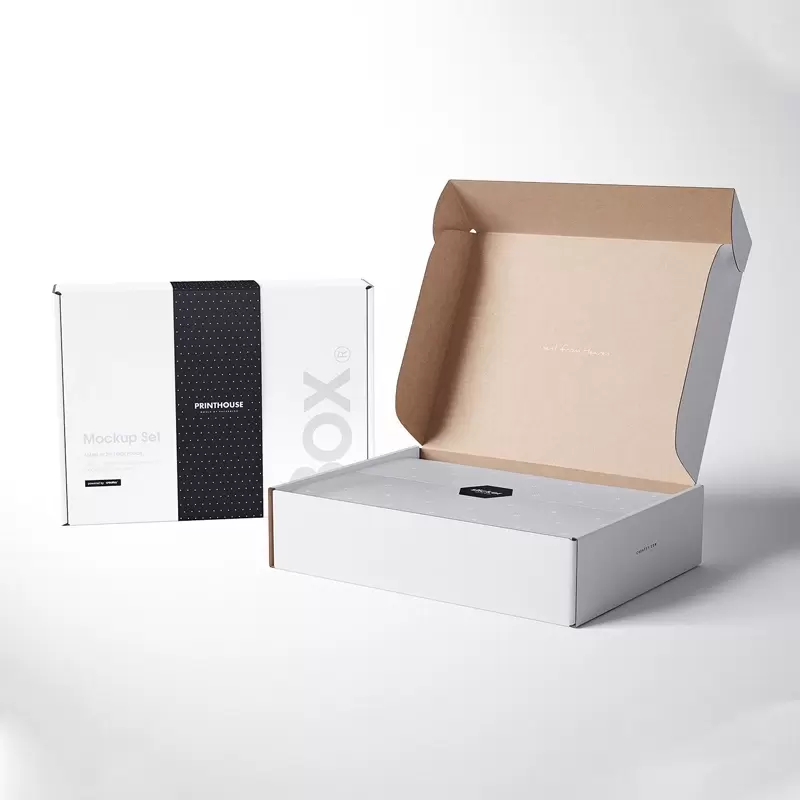
อธิบายเกี่ยวกับกล่องบรรจุภัณฑ์: โครงสร้าง วัสดุ และหลักการ
Packaging Boxes Explained: Structure, Materials, Engineering and Underlying Logic
Packaging boxes are engineered systems that connect a product with manufacturing,
storage, transportation, retail display, information communication and final use.
Their performance is determined not by appearance or material thickness alone, but
by the interaction of product characteristics, structural geometry, board
construction, internal support, closures, printing, assembly and distribution
conditions.
Direct answer: The underlying logic of a packaging box is to
transform an unprotected or irregular product into a controlled unit. The box
defines space, distributes forces, limits movement, carries information and
creates a standardized object that can be packed, counted, stacked, shipped,
displayed, opened and recovered after use.
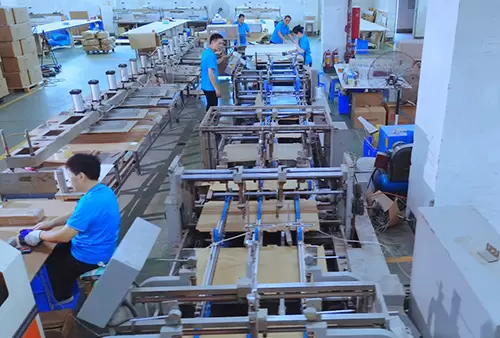
support, printing, finishing and distribution function.
A packaging box is often treated as a decorative object or a purchased paper product.
From an academic and engineering perspective, however, a packaging box is better
understood as an interface between the product and its environment.
The product has dimensions, mass, vulnerable surfaces, concentrated loads and specific
handling requirements. The environment introduces stacking pressure, impact, vibration,
friction, humidity, labeling, retail display and user interaction. The packaging box
exists between these two systems.
The box is successful only when it manages this relationship without creating
unnecessary material, storage volume, assembly labor or transportation cost.
จุดสำคัญที่ควรจดจำ
- Packaging boxes are systems, not isolated paper containers.
- Structure determines how forces move through the box.
- Material determines stiffness, folding, printing and moisture response.
- Internal dimensions determine product fit and movement.
- External dimensions influence freight, storage and pallet efficiency.
- Inserts connect product geometry with the outer box.
- Retail boxes and shipping boxes perform different functions.
- Premium presentation does not automatically provide shipping protection.
- Paper content alone does not guarantee universal recyclability.
- Physical sampling is necessary before mass production.
What Is a Packaging Box?
Academic definition: A packaging box is a formed or foldable
container, commonly produced from paperboard, corrugated fiberboard, rigid board or
related materials, that creates a controlled physical and informational boundary
around a product.
The controlled boundary performs several functions simultaneously:
การควบคุม
The box keeps products, components and documents together as one defined unit.
การคุ้มครอง
The structure separates the product from impact, compression, abrasion and
direct external contact.
Standardization
An irregular product becomes a regular unit that can be counted, stored and
transported.
การสื่อสาร
Printed panels carry branding, instructions, barcodes, warnings and product
information.
การนำเสนอ
Structure, color and opening behavior influence retail and unboxing perception.
Operational Control
The box guides product loading, closure, labeling, inspection and distribution.
A box may be primary, secondary or tertiary packaging. A product may sit directly
inside a box, or the box may surround bottles, pouches or smaller retail packages. A
corrugated master carton may contain multiple consumer boxes for wholesale or export.
For this reason, the word box does not describe one level of packaging. It
describes a structural container that can serve different levels within the complete
packaging system.
The First-Principles Logic of Packaging Boxes
The deepest logic of packaging can be reduced to one question:
How can a product be converted into a stable, protected, identifiable and economically
movable unit?
Every packaging decision is ultimately a response to this question. The answer can be
divided into seven connected layers.
-
Product layer: The product contributes dimensions, weight,
fragility, surface sensitivity, value, orientation and accessories. -
Spatial layer: The box defines internal space and determines how
much movement, clearance and cushioning are available. -
Structural layer: Panels, corners, folds, flaps, joints and
partitions create load paths and resist deformation. -
Material layer: Paperboard, corrugated board, rigid board, paper
wraps, adhesives and coatings provide physical properties. -
Process layer: Printing, cutting, creasing, folding, gluing,
wrapping, assembly and inspection convert flat materials into a package. -
Distribution layer: Warehouses, pallets, vehicles, couriers,
retail shelves and customers introduce forces and operating requirements. -
Economic and environmental layer: Material use, labor, freight,
damage, storage, reuse and recovery determine total system value.
Conceptual Packaging Model
Packaging performance is a function of the product, box structure,
material, insert, manufacturing process, distribution environment and user
interaction.
Changing one variable can change the complete result. Increasing board thickness
without improving product fit may add cost without preventing movement. Reducing
box dimensions may lower freight volume but remove necessary cushioning clearance.
Structure: The Geometry Behind Packaging Performance
Structure is the arrangement of panels, folds, joints and openings that converts a
sheet or board into a three-dimensional container. Structure determines how the box
carries weight, opens, closes, stacks and interacts with the product.
Panels
Panels create the primary walls of the box. Their width, height and orientation affect
bending, bulging and printing area. Large unsupported panels are more likely to deform
than smaller panels supported by corners, folds or inserts.
Corners
Corners are major structural elements. A flat sheet has limited ability to resist
out-of-plane loading. Once folded into perpendicular walls, the geometry becomes
significantly more stable.
Creases and Folds
Creases define where paperboard bends. A crease that is too weak may not guide the fold
accurately. A crease that damages the material can produce cracking, poor alignment or
reduced structural integrity.
Joints and Glue Areas
Glue joints convert separate panels into a continuous structure. Their location affects
visual appearance, load transfer and assembly. Adhesive performance must be compatible
with paper surface, coating and environmental conditions.
Closures
Tuck flaps, locking tabs, taped flaps, magnets, lids and sliding trays control access to
the product. Closure design affects security, assembly, repeated opening and perceived
quality.
Main Structural Families of Packaging Boxes
Folding Cartons
A folding carton is a paperboard box that is printed, die-cut, creased, folded and
commonly glued along one side. It is usually delivered flat and erected before
filling.
Folding cartons are efficient because a relatively small quantity of material can
create several printable walls. They are common for cosmetics, candles, confectionery,
personal-care products, accessories and other lightweight retail goods.
Their underlying logic is material efficiency. Thin board gains form through folds and
corners. The box relies more heavily on geometry than on material thickness.

retail package.
Tuck-End Boxes
A tuck-end box is a folding carton whose upper and lower flaps tuck into the box body.
Straight tuck and reverse tuck configurations describe the direction in which the end
flaps close.
Tuck-end structures are efficient for repeated retail production because they can be
supplied flat, erected quickly and printed on multiple panels. Their limitation is that
a basic tucked base may not support a dense or heavy product.
Rigid Setup Boxes
A rigid setup box uses thick board as a structural core and wrapping paper as the
visible surface. The structural board is usually cut into panels, formed into a stable
box and wrapped with printed, colored or textured paper.
The underlying logic is different from a folding carton. A rigid box depends more on
material thickness and permanent form than on collapsible geometry. It provides stable
dimensions and premium presentation but occupies more warehouse and transport volume.
กล่องที่มีตัวปิดแบบแม่เหล็ก
A magnetic closure box uses concealed magnets to hold a hinged or folding lid in place.
The box may be fully rigid or designed as a collapsible structure.
The underlying logic is controlled interaction. The user experiences a repeated
opening and closing movement. The magnets do not primarily create transport strength;
they create alignment, closure feedback and presentation value.
Drawer Boxes
A drawer box consists of an outer sleeve and an inner sliding tray. The tray may be
opened through a ribbon, thumb notch or exposed edge.
The structure transforms product access into a progressive movement. This makes the box
appropriate for jewelry, cosmetics, confectionery and small accessories. Its critical
variable is the clearance between sleeve and tray.
Lid-and-Base Boxes
A lid-and-base box uses two separate pieces: an upper cover and a lower tray. The lid
may be shallow, deep or nearly full-height.
The structure provides direct top loading and full product access. Its technical logic
is dimensional matching. If the lid is too tight, opening becomes difficult. If the lid
is too loose, the package lacks control.
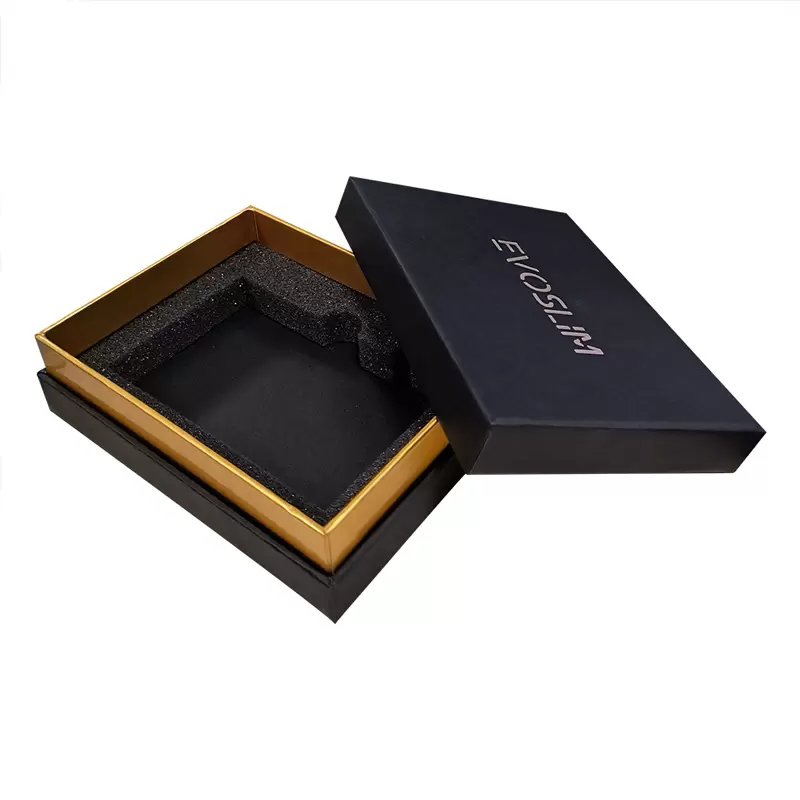
fitted inner support.
กล่องขนส่งแบบลูกฟูก
A corrugated shipping box is made from fluted paper bonded between liner sheets. The
fluted medium creates depth, enclosed air spaces and a structural separation between
the outer surfaces.
Corrugated packaging is widely used for e-commerce, wholesale, industrial distribution
and export because it balances strength, cushioning, flat storage and material
efficiency.
A corrugated box is not automatically strong merely because it contains fluting.
Performance also depends on board construction, box dimensions, humidity, openings,
packed weight and stacking conditions.
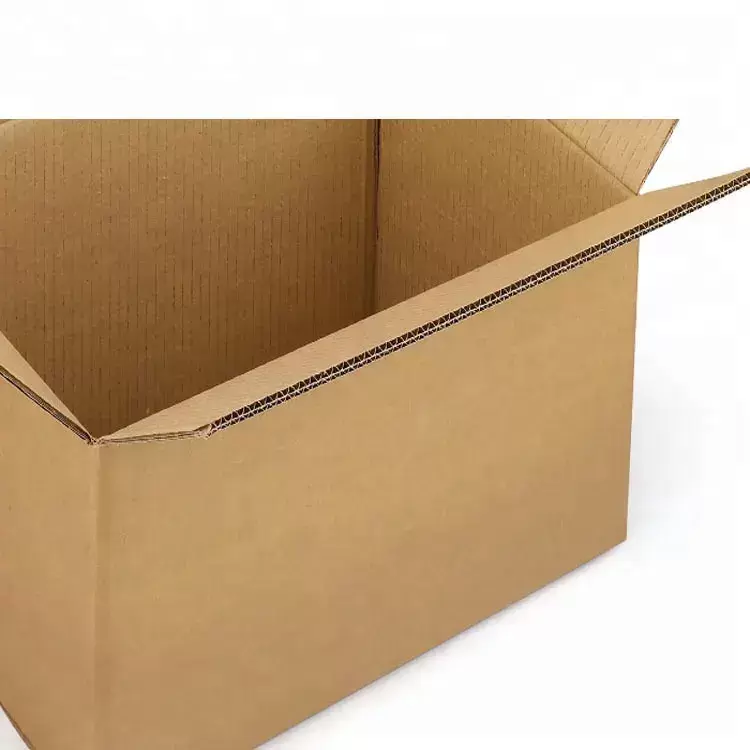
depth and cushioning.
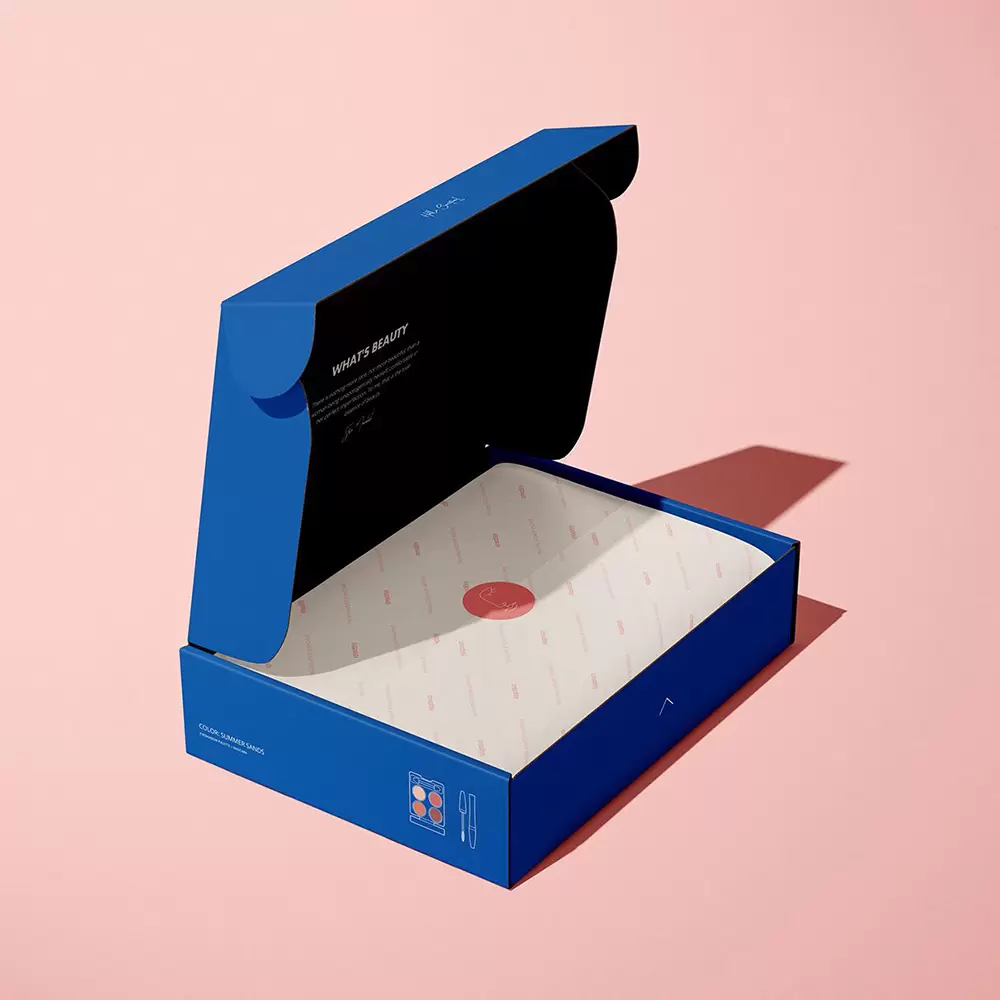
กล่องส่งจดหมาย
A mailer box is commonly a one-piece corrugated structure with a hinged lid, side walls
and integrated locking panels. It is designed to combine parcel handling with a more
controlled opening experience.
A mailer box and a standard shipping carton may both use corrugated fiberboard, but
their structures are different. The mailer emphasizes self-locking folds and interior
presentation. The standard shipping carton emphasizes efficient outer packing,
stacking and sealing.

กล่องแสดงสินค้า
A display box holds and presents several products on a shelf or counter. Some display
structures begin as closed shipping packs and convert into open retail presentations.
The underlying logic is combined transportation and merchandising. The box must support
products during distribution and remain stable as products are removed during retail
use.
ท่อกระดาษแข็ง
A cardboard tube is a cylindrical package produced from wound layers of paper. Tubes
are used for rolled products, gifts, apparel accessories, wine presentation and other
specialty applications.
Their main advantage is geometric compatibility with cylindrical products and
distinctive shelf appearance. Their main limitation is lower flat-storage and
rectangular pallet efficiency.
Material Logic: Why Paper-Based Boxes Behave Differently
Paperboard
Paperboard is a relatively thin but stiff paper-based sheet used mainly for folding
cartons. Industry categories may include solid bleached board, folding boxboard,
kraft-based board and recycled paperboard.
Paperboard performs well in printing and folding. It creates efficient retail packaging
because its surface carries information while its creases create three-dimensional
form.
Corrugated Fiberboard
Corrugated fiberboard consists of liner sheets bonded to a fluted medium. The structural
depth separates the outer surfaces and increases resistance to bending and compression.
The flute also creates a limited cushioning mechanism. However, the completed box,
product movement and insert system determine actual protective performance.
Rigid Board
Rigid board is a dense, thick board commonly used as the core of setup boxes. It is
generally wrapped rather than folded like ordinary paperboard.
Its thickness creates stable geometry and a substantial hand feel. The same thickness
also increases material volume, weight and shipping space.
Kraft Paper and Kraft Board
Kraft materials may be natural brown, bleached, coated or printed. Natural kraft often
communicates a simple material appearance, but the color does not prove recycled
content, certified sourcing or universal recyclability.
Recycled Fiber and FSC-Sourced Paper
Recycled content and FSC-certified sourcing are different concepts. Recycled content
refers to recovered fiber incorporated into a material. FSC certification relates to
responsible forest management and chain-of-custody control.
A paper can be FSC certified without being made entirely from recycled fiber. A
recycled paper is not automatically FSC certified.
The recyclability of a completed package is affected by coatings, plastic films,
windows, adhesives, magnets, metallic elements, foam, mixed-material inserts and
local collection systems.
The Mechanics of Packaging Protection
Packaging protection is not one single property. It is the management of several
different forms of physical stress.
Compression
Compression occurs when boxes are stacked or loaded from above. Vertical corners and
walls carry much of the load. Panel openings, moisture and poor stacking alignment can
reduce stability.
Bending
Bending occurs when a panel is pushed inward or outward. Large unsupported panels are
more vulnerable. Ribs, folds, partitions and internal trays can reduce unsupported
spans.
Buckling
Buckling is a structural instability in which a wall suddenly deforms under compression.
Material stiffness, wall height, panel width, moisture and geometric imperfections
influence this behavior.
Impact
Impact occurs when the package is dropped, struck or suddenly stopped. The box can
absorb, distribute or transmit impact energy. Product clearance and inserts strongly
influence the result.
Vibration
Vibration can cause repeated movement, abrasion, loosening and migration of components.
A package may survive one impact while gradually failing under prolonged movement.
Friction and Abrasion
Friction can damage printed surfaces, glossy finishes and delicate products. Tissue,
sleeves and non-abrasive inserts may reduce direct contact.
Moisture and Humidity
Paper-based materials absorb and release moisture. Humidity can affect stiffness,
dimensions, adhesive behavior, drawer friction and compression performance.
Creep
Creep is gradual deformation under sustained load. A box that appears stable during a
short inspection may deform during prolonged warehouse stacking.
The Protection Principle
Protection is achieved by controlling force, movement and contact. A thicker box
does not automatically provide better protection if the product remains free to
move or concentrated loads are not supported.
The Role of Packaging Inserts
An insert is the structural bridge between the product and the outer box. It translates
irregular product geometry into controlled contact points.
Inserts can:
- Limit sliding and rotation
- Separate multiple components
- Create clearance from outer walls
- Support concentrated weight
- Protect decorative surfaces
- Organize accessories
- Control product orientation
- Improve product presentation
A fitted insert must balance retention and accessibility. Excessive pressure can damage
the product or make removal difficult. Excessive clearance allows movement.
Paperboard inserts are efficient for lightweight products. Corrugated partitions
provide structural depth and separation. Wrapped rigid trays provide stable
presentation but increase material and assembly complexity.
Dimensions, Clearance and Tolerance
Packaging dimensions are frequently misunderstood because internal and external
dimensions describe different systems.
Internal Dimensions
Internal dimensions describe the usable space available to the product and insert. They
determine fit, movement and accessibility.
External Dimensions
External dimensions describe the completed outside size. They affect freight,
warehouse space, master-carton quantities and pallet patterns.
Clearance
Clearance is the intentional space between the product and surrounding structure. Some
clearance is necessary for loading, cushioning, inserts and manufacturing variation.
Tolerance
Tolerance is the permitted dimensional variation. Paper, board, wrapping and adhesives
are physical materials that respond to processing and environmental conditions.
Packaging dimensions therefore require practical tolerance rather than an assumption
of mathematical identity.
A box can be visually correct and still fail if its internal dimensions, insert
pressure, lid fit or drawer clearance are incorrect.
Manufacturing Logic: From Flat Material to Finished Box
-
Requirement definition: Product dimensions, weight, quantity,
distribution, artwork and presentation objectives are collected. -
Structural evaluation: The box style, opening, insert and outer
protection are selected. -
Dieline development: Cutting, creasing, glue areas and printable
panels are defined in a flat technical layout. -
Material selection: Paperboard, corrugated board, rigid board,
wrapping paper and insert materials are specified. -
Prototype production: A structural sample is cut and assembled to
evaluate fit and operation. -
Artwork placement: Graphics are positioned according to the
approved structural layout. -
Printing and finishing: Artwork and decorative treatments are
applied to compatible materials. -
Die-cutting and creasing: Printed sheets are converted into
structural components. -
Folding, gluing or wrapping: The components are formed into the
required package. -
Assembly and inspection: Structure, printing, finishing, insert
fit and export packing are reviewed.
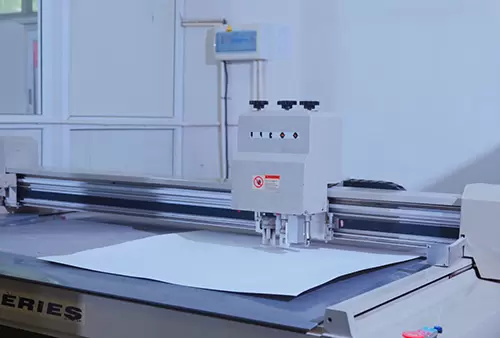
evaluated before mass production.
Printing as an Information System
Printing is not only decoration. It converts the packaging surface into an information
interface.
Printed packaging can carry:
- Brand identity
- Product name and model
- Instructions
- Barcodes and traceability codes
- Warnings and handling information
- Language-specific market information
- Storage guidance
- Disposal or recovery instructions
Print appearance depends on paper color, surface smoothness, absorbency, ink behavior,
coating and lighting. A digital screen cannot reproduce every physical material
characteristic.
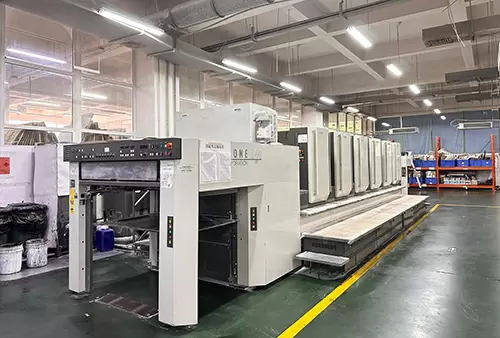
and visual organization.
Color Control and Material Reality
Color exists through the interaction of ink, material and light. The same ink can
appear different on white coated paper, natural kraft paper and textured wrapping
paper.
A packaging color review should consider:
- Paper color and whiteness
- Surface coating
- Ink absorption
- Printing process
- Lighting conditions
- Gloss or matte finishing
- Metallic foil reflection
- Acceptable production variation

acceptance conditions are defined.
Surface Finishing and the Logic of Premium Appearance
Premium appearance does not come from one finishing process. It results from the
interaction of structure, proportion, paper, color, printing, surface texture, insert
fit and opening movement.
Foil Stamping
Transfers metallic or colored foil to selected areas through heat and pressure.
UV แบบจุด
Adds selective gloss to create contrast with a matte or uncoated background.
การปั๊มนูน
Raises selected surface areas to create visual and tactile depth.
การกดลายนูนต่ำ
Presses selected areas below the surrounding surface.
Textured Paper
Uses physical surface pattern to create tactile differentiation.
Matte Finishing
Reduces surface gloss through material, coating or film selection.
A finish must be compatible with the material. Fine foil detail may behave differently
on textured paper than on a smooth coated sheet. Embossing depth must be considered
together with board and artwork.
Retail Packaging and Shipping Packaging
Retail packaging and shipping packaging are frequently confused because both may be
rectangular and printed.
Retail Packaging
Retail packaging emphasizes information, shelf dimensions, brand presentation,
product access and customer interaction.
Typical structures include folding cartons, rigid boxes, drawer boxes,
magnetic boxes and display boxes.
Shipping Packaging
Shipping packaging emphasizes stacking, handling, labeling, impact,
compression and distribution efficiency.
Typical structures include corrugated shipping cartons, mailers, partitions and
palletized outer packaging.
A premium retail box may still require a corrugated outer carton. The inner package
protects presentation and organizes the product. The outer package protects the inner
package during transportation.
Comparison of Major Packaging Box Types
| Box type | Typical structure | การคุ้มครอง | Storage efficiency | การนำเสนอ | Shipping suitability | Best applications | Main limitation |
|---|---|---|---|---|---|---|---|
| Folding carton | Folded and creased paperboard | Low to moderate | Very high | Moderate to high | Low without outer protection | Lightweight retail products | Limited cushioning and heavy-load support |
| Tuck-end box | Paperboard with tuck flaps | Low to moderate | Very high | Moderate | Low to moderate | Cosmetics and small consumer products | Basic closures may not support dense products |
| Rigid setup box | Wrapped thick board | Moderate | Low | Very high | Moderate with outer carton | Jewelry, gifts, cosmetics and electronics | Higher material and freight volume |
| Magnetic box | Rigid or collapsible box with magnets | Moderate | Low to moderate | Very high | Moderate with outer protection | Gift sets and premium retail | Magnets add mixed-material complexity |
| Drawer box | Outer sleeve and sliding tray | Moderate | Low to moderate | High | Moderate with outer protection | Jewelry, cosmetics and confectionery | Sliding tolerance requires control |
| Lid-and-base box | Separate cover and lower tray | Moderate | Low to moderate | High | Moderate with outer protection | Apparel, candles and gifts | Lid fit requires accurate dimensions |
| Corrugated shipping box | Fluted board with shipping flaps | Moderate to high | High | Low to moderate | High | Wholesale, export and industrial distribution | May need separate retail packaging |
| Mailer box | One-piece corrugated hinged structure | Moderate to high | High | Moderate to high | High for suitable products | E-commerce and subscription products | More folding and board area than simple cartons |
| Display box | Retail tray or convertible display | Low to moderate | Moderate to high | High at retail | Varies by structure | Counter and shelf products | Stability changes as stock decreases |
| Cardboard tube | Wound cylindrical paper structure | Moderate for suitable products | Low | High and distinctive | Moderate | Rolled products and specialty gifts | Low flat-storage and pallet efficiency |
The Economic Logic of Packaging
Packaging cost is often reduced to the quoted price per box. This ignores the wider
system.
Total packaging cost may include:
- Box materials
- Printing and finishing
- Inserts and accessories
- Tooling and sampling
- Assembly labor
- Warehouse volume
- Master-carton packing
- Freight volume and weight
- Inspection
- Damage and replacement risk
A lower-priced box may create higher total cost if it requires more void fill, more
assembly, larger shipping cartons or more replacement shipments.
A higher-priced structure may reduce total cost if it improves packing speed, controls
product movement or combines retail and shipping functions.
Total-Cost Principle
The economically optimal box is not necessarily the cheapest empty box. It is the
packaging system that achieves the required performance at the lowest total cost
across production, storage, transport and product protection.
The Environmental Logic of Packaging
Sustainable packaging is a system-level objective rather than a material label.
Relevant factors include:
- Material source
- Total package weight
- Product-to-package ratio
- Shipping volume
- Recycled content
- Certified fiber sourcing
- Mixed-material components
- Product damage prevention
- Potential reuse
- Local recovery infrastructure
Right-sizing can reduce material and freight volume, but excessive reduction may
increase product damage. A reusable rigid box may have higher initial material use but
provide extended use in some applications. A lightweight carton may use less material
but require an outer shipping package.
The environmental result depends on the complete system and the actual distribution
context.
Failure Modes: Why Packaging Boxes Underperform
Oversized Interior
Excess space allows product movement, collision and unnecessary void fill.
Undersized Interior
Excessive pressure can deform the product, insert or box.
Weak Bottom Structure
Dense products may overload tuck flaps or unsupported lower panels.
Incorrect Grain or Creasing
Poor fold behavior can create cracking, spring-back and misalignment.
Uncontrolled Product Movement
A strong outer box may fail to protect a product that moves freely inside.
Decorative Box Used as Shipper
Labels, abrasion and parcel handling can damage an unprotected premium box.
Incorrect Lid or Drawer Tolerance
Opening becomes loose, tight or inconsistent.
Finish–Material Mismatch
Foil, coating or embossing may not behave as expected on the selected paper.
Packaging Boxes by Industry
| Industry | Common structures | Dominant function | Critical technical issue |
|---|---|---|---|
| Cosmetics and perfume | Folding cartons, rigid boxes, drawers and magnetic boxes | Presentation and container organization | Glass weight, surface protection and insert fit |
| Jewelry | Drawer, lid-and-base and magnetic boxes | Positioning and controlled reveal | Scratch prevention and insert pressure |
| Apparel | Mailers, folding gift boxes, rigid boxes and paper bags | Presentation, storage and distribution | Garment folding method and package volume |
| Food-related outer packaging | Folding cartons, displays and corrugated cases | Information and distribution | Direct-contact and barrier requirements require separate confirmation |
| Electronics | Rigid inner boxes and corrugated outer cartons | Movement control and accessory organization | Impact protection and verified material requirements |
| E-commerce | Mailer boxes and corrugated shipping cartons | Parcel handling and branded opening | Dimensional volume, closure and empty space |
| Retail display | Display boxes, tuck-end boxes and folding cartons | Visibility and product organization | Stability as products are removed |
| Wine and beverages | Rigid gift boxes, tubes and corrugated cartons | Presentation and bottle separation | Glass protection and concentrated load |
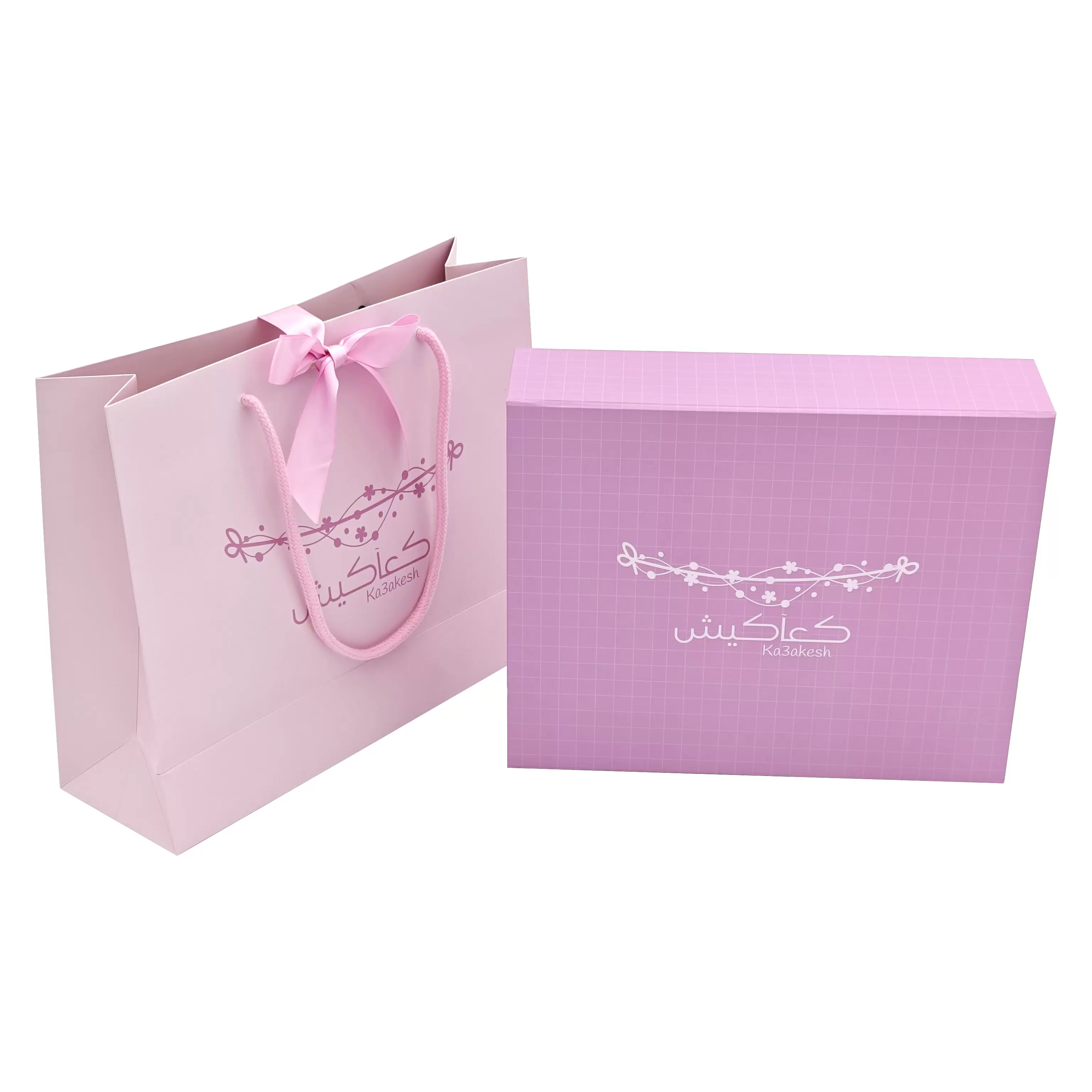
paper bag and separate transport protection.
How to Choose a Packaging Box from First Principles
-
Define the product geometry.
Record length, width, height, protrusions, accessories and packed orientation. -
Define the product weight.
Weight influences board selection, bottom support, inserts and outer shipping
requirements. -
Identify vulnerable areas.
Glass, corners, decorative surfaces and moving components require different
protection. -
Define the sales channel.
Retail, e-commerce, wholesale and export create different priorities. -
Define the packaging level.
Determine whether the box is a retail package, shipping package or part of a
multi-layer system. -
Select the structural family.
Choose folding, corrugated, rigid, mailer, drawer, magnetic, lid-and-base or
display packaging. -
Develop internal support.
Determine whether partitions, trays, platforms or protective wrapping are needed. -
Review assembly.
Confirm how the package will be erected, filled, closed and packed. -
Review printing and finishing.
Match visual requirements with paper and production methods. -
Review logistics.
Calculate external dimensions, carton quantities, storage and pallet arrangement. -
Approve a physical sample.
Confirm fit, movement, opening, closure and presentation before mass production.
Information Required for a Custom Packaging Quote
- Product type and intended use
- Product dimensions in packed orientation
- Product and accessory weight
- Internal or external box dimensions
- Required quantity
- Preferred box structure
- Retail, e-commerce or wholesale channel
- Destination country
- Shipping method
- Paper or board preference
- Artwork files
- Brand colors
- Printing requirements
- Surface-finishing requirements
- Insert and partition requirements
- Handle, ribbon, window or magnet requirements
- Sample requirements
- Target delivery schedule
- Sustainability or certification requirements
Accurate quotation requires the structure, material, printing, finishing, quantity and
delivery form to be evaluated together. Two boxes with the same outside dimensions may
have different costs because their internal structure and manufacturing process differ.
Quality Control and Verification Logic
Packaging quality is not one visual inspection. It is the verification of several
connected characteristics.
- Material identity and appearance
- Internal and external dimensions
- Cutting and crease position
- Folding and glue alignment
- Printing registration
- Color appearance
- Foil and surface-finishing position
- Insert fit
- Lid or drawer movement
- Assembly and packing condition
Project-specific physical testing may also be required according to product fragility,
weight and distribution. Test methods and acceptance criteria should be agreed for the
actual project rather than assumed from a general box category.
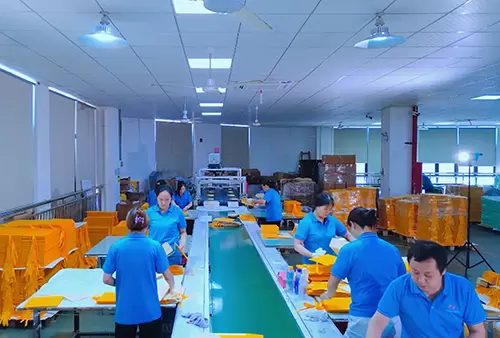
the buyer.
Why Digital Renderings Are Not Enough
A rendering can show color, proportion and artwork placement. It cannot fully show:
- Board stiffness
- Paper texture
- Closure force
- Drawer friction
- Lid tolerance
- Insert pressure
- Foil reflection
- Embossing depth
- Assembly time
- Product removal
Physical sampling is therefore not merely a visual approval step. It is the transition
from theoretical packaging to an actual product–package system.
Confirmed HENGXING Custom Packaging Scope
Xiamen Hengxing Color Printing Co., Ltd. is a custom paper packaging manufacturer based
in Xiamen, Fujian, China. The company was established in 1995 and has more than 30 years
of color printing and custom paper packaging experience.
Confirmed product and project support includes cardboard packaging boxes, mailer boxes,
magnetic closure boxes, rigid drawer boxes, corrugated shipping boxes, lid-and-base
boxes, tuck-end boxes, display boxes, cardboard tubes, paper bags, custom inserts,
corrugated partitions and packaging accessories.
Confirmed project options include custom structure, size, color, logo, paper material,
inserts, handles, ribbons, custom printing, interior printing, foil stamping, spot UV,
embossing, debossing, texture finishes and matte finishes.
HENGXING supports OEM and ODM packaging development, structural prototyping, packaging
samples, printing, finishing, assembly, packaging inspection, export packing and
international delivery support. The company’s confirmed certifications include FSC,
ISO 9001 and SA8000.
Buyers may review
custom packaging solutions
or submit product-specific information through the
custom packaging inquiry page.
Frequently Asked Questions
What is the underlying purpose of a packaging box?
The underlying purpose is to convert a product into a controlled unit that can be
protected, counted, stored, transported, displayed and used. The box creates a
physical boundary, manages forces, limits movement and carries information.
What are the main types of packaging boxes?
Main types include folding cartons, tuck-end boxes, rigid setup boxes, magnetic
closure boxes, drawer boxes, lid-and-base boxes, corrugated shipping boxes, mailer
boxes, display boxes and cardboard tubes.
What is the difference between a folding carton and a rigid box?
A folding carton uses relatively thin paperboard and is normally delivered flat. A
rigid box uses thicker board and is usually supplied formed. Folding cartons are
efficient for retail printing and storage, while rigid boxes provide stronger
presentation and dimensional stability.
What is the difference between a mailer box and a shipping box?
A mailer box commonly uses a hinged lid and integrated locking panels for
direct-to-consumer presentation. A standard shipping box commonly uses opposing
flaps and sealing tape for wholesale, master-carton or export distribution.
Why do premium boxes still need outer shipping cartons?
Premium boxes may protect and present the product without being designed for
shipping labels, abrasion, moisture, stacking or courier handling. A corrugated
outer carton protects the decorative inner package during distribution.
Does a thicker packaging box always provide better protection?
No. Thickness can increase stiffness, but protection also depends on product fit,
inserts, movement control, load distribution, closure and the distribution
environment.
Why are inserts important?
Inserts position products, separate components, distribute weight and create
clearance from the outer walls. They connect irregular product geometry with the
regular geometry of the box.
Why are internal and external dimensions different?
Internal dimensions describe usable product space. External dimensions describe the
completed outside size. Internal dimensions affect fit, while external dimensions
affect freight, storage and master-carton quantities.
Which packaging box is best for e-commerce?
Corrugated mailer boxes and corrugated shipping cartons are common e-commerce
choices. Mailers emphasize branded opening, while standard cartons emphasize
distribution efficiency and support for heavier or multiple products.
Which packaging box is best for luxury products?
Rigid setup boxes, magnetic boxes, drawer boxes and lid-and-base boxes are common
premium structures. The correct choice depends on product weight, opening sequence,
insert design and shipping requirements.
Are all paper packaging boxes recyclable?
No. Recyclability depends on coatings, laminations, magnets, windows, adhesives,
foam, mixed-material inserts and local collection systems. Paper content alone does
not guarantee universal recyclability.
Does FSC certification mean a box contains recycled paper?
No. FSC certification relates to responsible forest sourcing and chain-of-custody
control. Recycled content refers to recovered fiber used in the material.
Why should packaging boxes be sampled before production?
Physical samples allow buyers to evaluate product fit, stiffness, closure, lid
tolerance, drawer movement, insert pressure, color, finishing and assembly. These
characteristics cannot be fully confirmed from a rendering.
What information is needed for a custom packaging quotation?
Buyers should provide product dimensions, weight, quantity, preferred structure,
materials, artwork, colors, printing, finishing, inserts, distribution channel,
destination and delivery requirements.
What is the most important principle in packaging design?
The most important principle is system compatibility. Product, box, insert,
manufacturing process and distribution environment must function together rather
than being selected independently.
Conclusion: The Bottom-Level Logic of Packaging Boxes
Packaging boxes are not simply paper containers. They are engineered interfaces
between products and physical, commercial and informational environments.
Their structure converts flat materials into stable geometry. Their materials
provide stiffness, foldability, printability and cushioning. Their inserts control
product movement. Their printed surfaces communicate identity and information.
Their external dimensions determine how efficiently they move through warehouses
and transportation systems.
No single box type is suitable for every product. Folding cartons solve lightweight
retail and printing problems. Corrugated boxes solve shipping and stacking
problems. Mailer boxes combine distribution and presentation. Rigid, magnetic,
drawer and lid-and-base boxes solve premium presentation and opening-experience
problems.
The correct packaging box is the structure that delivers the required protection,
communication, assembly and logistics performance without unnecessary material,
volume, cost or complexity.
Evaluate a Custom Packaging Structure
For a project-specific evaluation, provide the product dimensions, packed weight,
quantity, preferred box type, artwork, material direction, printing, surface
finishing, insert requirements, distribution channel and destination country.
Contact HENGXING for custom packaging development
based on the actual product and supply-chain requirements.
Need Custom Eco-Friendly Packaging Boxes for Your Project?
Get factory-direct pricing and technical support from our experts within 24 hours.
Request a Quick Quote