What Are Packaging Boxes?
What Are Packaging Boxes? Definition, Functions, Materials and Manufacturing
Packaging boxes are engineered containers used to contain, protect, transport,
organize, present and communicate information about products. Their performance
depends on the relationship between structure, material, product characteristics,
manufacturing processes and the distribution environment.
Quick answer: Packaging boxes are paper-based, paperboard-based
or corrugated containers designed to hold and protect products during storage,
transportation, retail display and final use. Common examples include folding
cartons, corrugated shipping boxes, mailer boxes, rigid gift boxes, magnetic
closure boxes, drawer boxes, lid-and-base boxes, display boxes and cardboard
tubes.
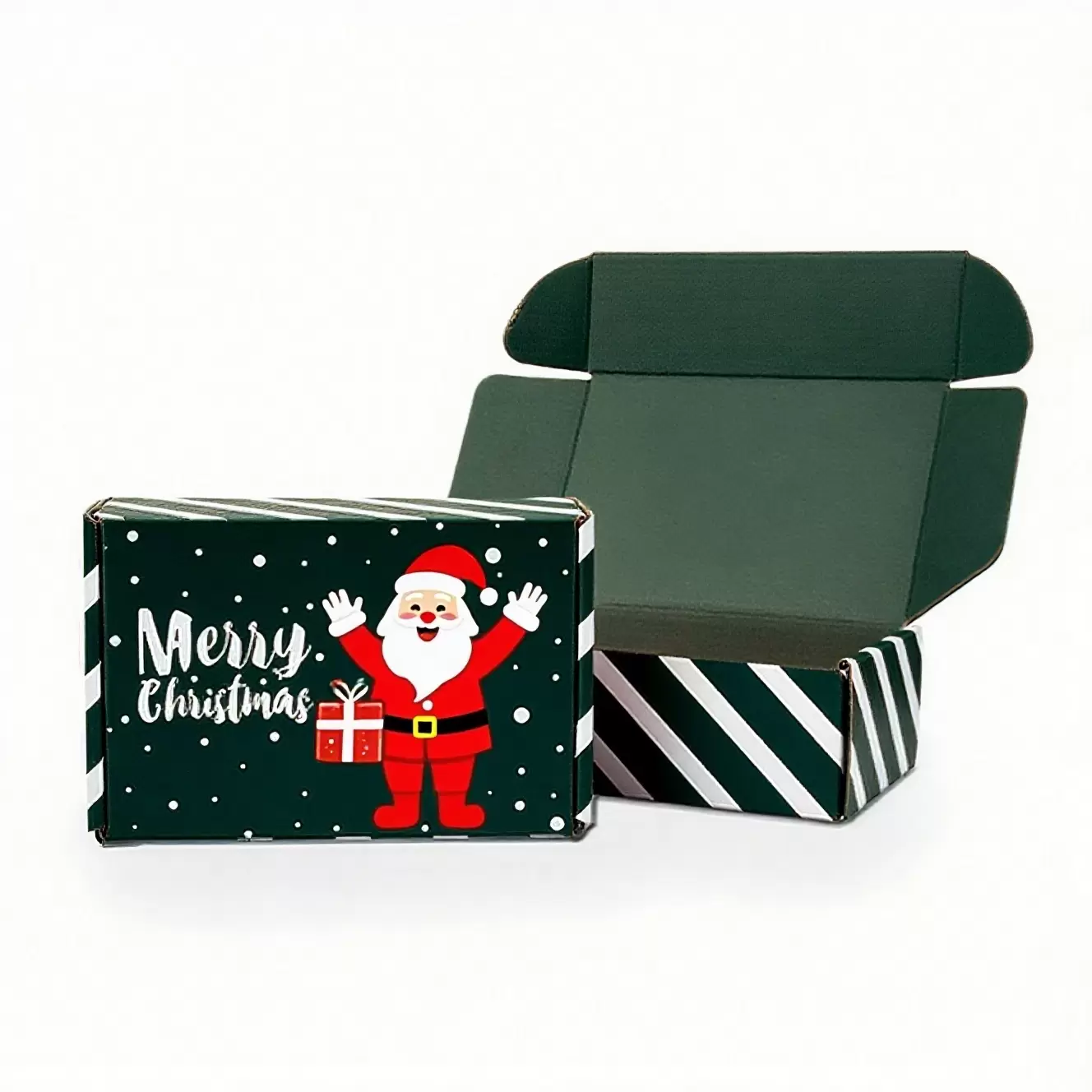
finishing and intended application.
The term packaging box refers to more than a rectangular container. In
packaging science, a box is part of a system that connects the product with storage,
handling, transportation, retail presentation and customer use. Its design must respond
to physical forces, operational requirements, information needs and commercial
objectives.
A lightweight folding carton for a cosmetic product, a corrugated shipping case for
industrial distribution and a rigid magnetic gift box may all be described as
packaging boxes. However, they differ substantially in material composition,
manufacturing process, mechanical performance, storage efficiency and end use.
Packaging boxes should therefore be classified by several dimensions rather than by
visual appearance alone. The most useful dimensions are structure, material,
protective function, distribution channel, application industry and manufacturing
method.
Key Points
- A packaging box is both a container and a functional product system.
- The box structure controls assembly, opening, closing and presentation.
- The material influences stiffness, weight, printing and protection.
- Retail packaging and shipping packaging perform different functions.
- Inserts and partitions control product movement inside the box.
- Printing and finishing communicate brand and product information.
- Packaging performance depends on the completed structure, not material alone.
- Physical sampling is necessary for accurate fit and structural evaluation.
Academic Definition of Packaging Boxes
Definition: A packaging box is a formed or foldable container made
primarily from paperboard, corrugated fiberboard, rigid board or related materials,
designed to contain a product and support one or more functions of protection,
handling, storage, distribution, presentation, communication and use.
This definition includes both primary presentation packaging and secondary or tertiary
distribution packaging. A box placed directly around a product may serve as the
consumer-facing package. A larger corrugated case may contain several retail boxes for
wholesale or export transportation.
A packaging box is generally studied as part of a wider packaging system that may
include:
- The product or primary product container
- A paperboard, rigid-board or corrugated box
- An insert, tray, divider or partition
- Protective wrapping or tissue
- A label, sleeve or tamper-evident component
- An outer shipping carton
- Pallets, edge protection and stretch wrapping
The functional performance of packaging is determined by the complete packaging
system. A visually attractive box may still be inadequate if its insert, closure or
shipping protection is poorly designed.
What Are the Main Functions of Packaging Boxes?
Packaging boxes perform several functions simultaneously. The relative importance of
each function depends on the product, distribution channel and target market.
Containment
The box holds a defined quantity of products, components or accessories and
prevents them from becoming separated during handling.
Protection
The structure can reduce movement, impact, compression, abrasion, puncture,
dust exposure and ordinary handling damage.
Transportation
Boxes create standardized units that can be counted, stacked, labeled,
palletized and transferred through warehouses and transport systems.
Storage
Packaging organizes products before sale and protects them while they remain in
warehouses, distribution centers or retail stockrooms.
Communication
Printed panels provide space for branding, instructions, barcodes, product
information, warnings and market-specific labeling.
Presentation
Structure, material, color and opening behavior influence how a product is
perceived on the shelf and during unboxing.
Convenience
Tuck flaps, tear strips, handles, magnetic closures and drawers can improve
filling, carrying, opening, closing and reuse.
Product Organization
Inserts and compartments separate components and establish a controlled visual
order inside the box.
Resource Efficiency
Correctly sized packaging can reduce empty space, unnecessary materials,
storage volume and transportation inefficiency.
What Is the Difference Between a Box and a Package?
A box is a physical container. A package is the complete prepared unit that includes
the product, box, insert, closure, labels and any other components required for sale or
transportation.
For example, a rigid drawer box without a product is a packaging component. After the
product, insert, instruction card and protective outer carton are added, the complete
assembly becomes a packaged product.
This distinction is important because a box can appear structurally adequate when
empty but behave differently after the product weight and insert pressure are applied.
Packaging evaluation must therefore be conducted in the packed condition.
Main Types of Packaging Boxes
Packaging boxes can be classified by structural configuration. Each configuration
controls how the box is stored, assembled, filled, opened and presented.
Folding Carton Boxes
A folding carton is a paperboard box that is printed, die-cut, creased, folded and
generally glued along one side. It is commonly delivered flat and erected before the
product is inserted.
Folding cartons are widely used for cosmetics, food-related outer packaging, candles,
personal-care products, small electronics and other lightweight retail products.
Main characteristic
Efficient flat storage and a large printable surface.
Main limitation
Lower impact and compression resistance than many corrugated or rigid structures.

flat or partially assembled form.
Tuck End Boxes
A tuck end box is a folding carton with closing flaps that tuck into the upper and
lower sections of the box. Straight tuck end and reverse tuck end boxes are common
configurations.
Tuck end structures are frequently used where rapid assembly, a clean rectangular
form and broad printed panels are required. The closure is convenient, but it is not
automatically tamper-evident or suitable for every product weight.
Rigid Setup Boxes
A rigid setup box uses thick board as a structural core. The board is commonly wrapped
with printed, colored or textured paper. Conventional rigid boxes are usually supplied
already formed rather than flat.
Rigid boxes provide dimensional stability and a substantial hand feel. They are
frequently used for jewelry, perfume, cosmetics, electronics, gifts and premium
product sets.
Main characteristic
Stable structure and premium presentation.
Main limitation
Greater storage and transportation volume than flat-packed cartons.
Magnetic Closure Boxes
A magnetic closure box contains concealed magnets that align and hold the lid or flap
closed. The structure may be fully rigid or designed as a collapsible format.
Magnetic closures create a controlled opening movement and are widely associated with
gift, apparel, beauty and promotional packaging. Magnets add material complexity and
may affect recycling or material separation.
Drawer Boxes
A drawer box consists of an outer sleeve and an inner tray. The inner tray slides out
and may include a ribbon pull or thumb notch.
The structure creates a progressive reveal and allows the product to remain framed
during opening. Accurate tolerance is important because wrapping thickness and insert
pressure affect drawer movement.
Lid and Base Boxes
A lid and base box is a two-piece package composed of a separate top cover and bottom
tray. It may be manufactured from rigid board or folding paperboard.
Lid-and-base boxes are used for apparel, chocolate, jewelry, gifts, candles and
premium retail products. The lid fit must be controlled so that the box opens smoothly
without becoming loose.
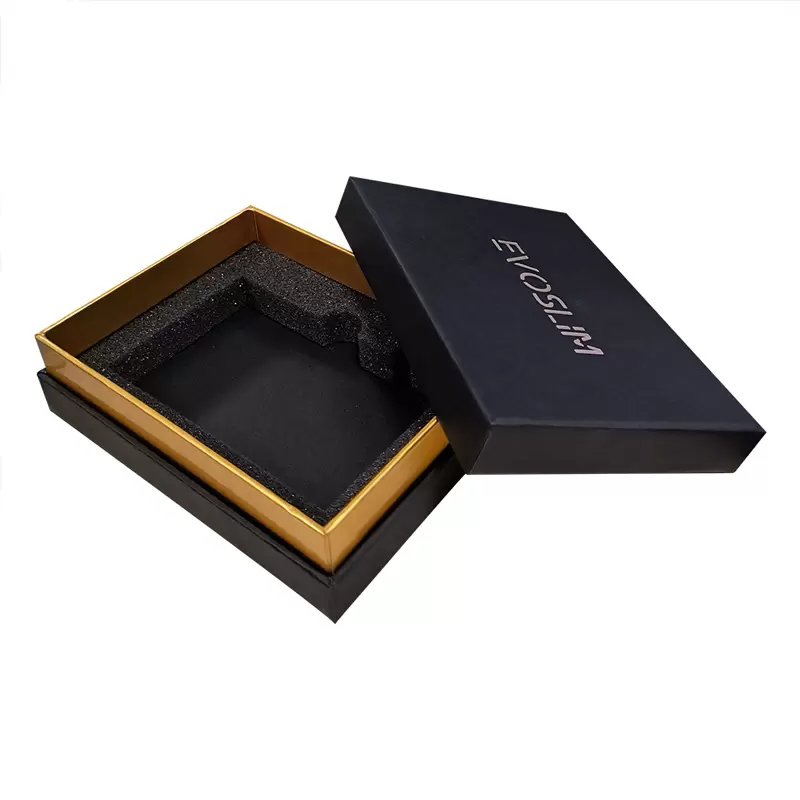
support.
Corrugated Shipping Boxes
A corrugated shipping box is made from corrugated fiberboard, which generally consists
of one or more fluted paper layers bonded between flat liner sheets.
The fluted structure creates depth, cushioning and compression resistance. Corrugated
boxes are widely used for transportation, wholesale distribution, e-commerce,
industrial products and export packing.
Corrugated performance depends on the complete board construction, box dimensions,
product weight, humidity, stacking pattern and handling environment. Flute appearance
alone does not fully define box strength.
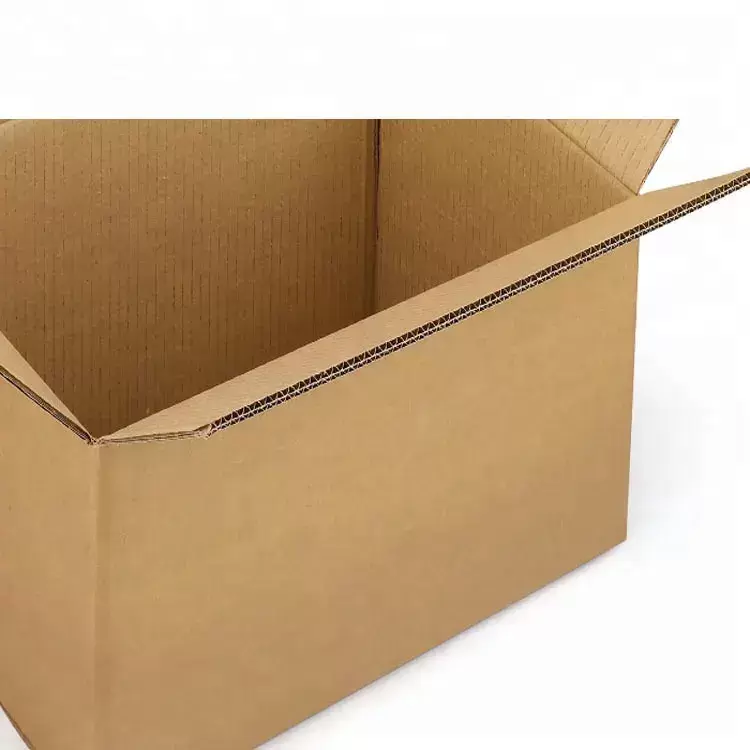
structural depth and cushioning.
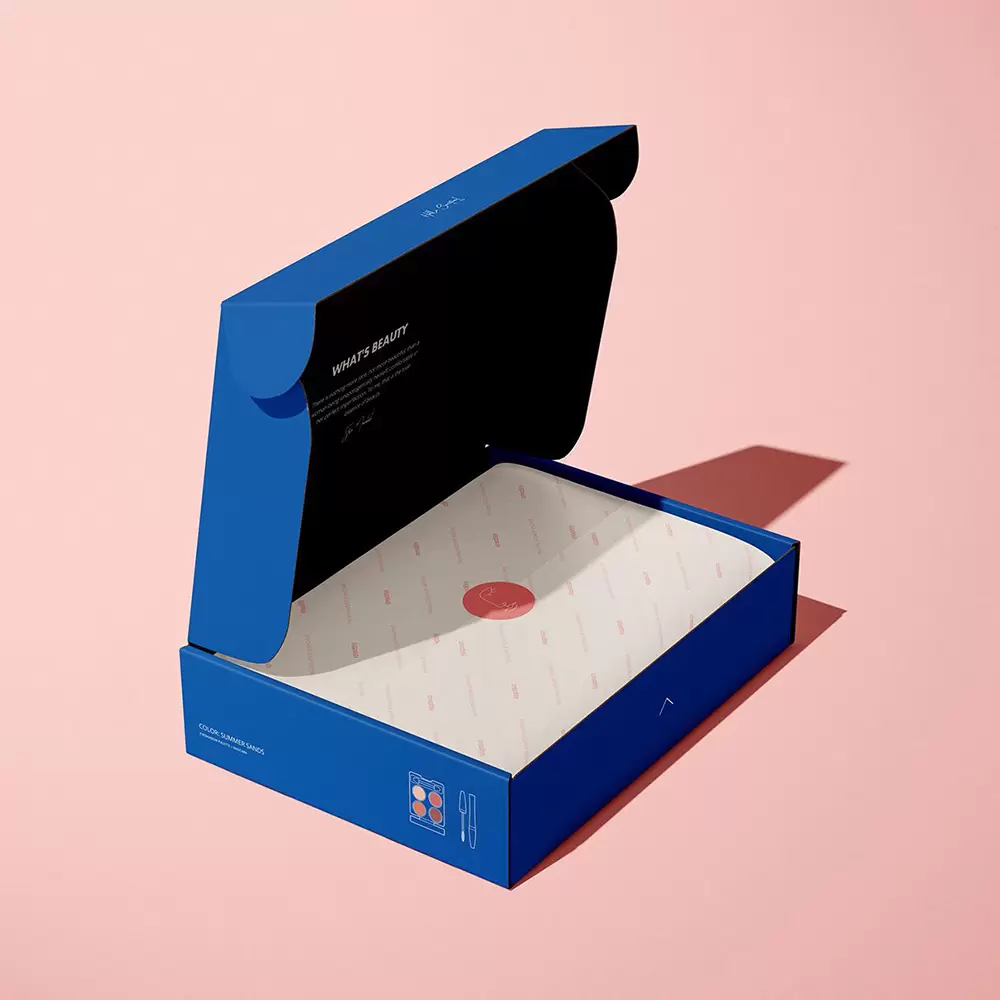
Mailer Boxes
A mailer box is typically a one-piece package with a hinged lid, side walls and
integrated locking panels. Many mailer boxes are manufactured from corrugated
fiberboard.
Mailer boxes are common in e-commerce because they combine shipping protection with a
presentation-oriented opening. The inner lid and side panels can also carry printing
or instructions.

Display Boxes
A display box is developed to hold and present products on a shelf, counter or
point-of-purchase location. Some display boxes begin as closed shipping packs and
convert into open retail displays.
Display packaging must balance product visibility, structural stability, replenishment
and access. A poorly supported display may become unstable as individual products are
removed.
Cardboard Tube Packaging
Cardboard tube packaging is a cylindrical structure formed from wound layers of paper.
It can use a separate lid and base made from paper, metal, plastic or another compatible
component.
Tubes are used for rolled products, gifts, beverage presentation, apparel accessories
and specialty packaging. A paper tube should not automatically be described as airtight
or suitable for direct food contact unless the complete structure has been designed and
verified for that purpose.
A detailed structural comparison can be connected to the website’s
types of packaging boxes guide.
Packaging Boxes Classified by Material
Structure determines how a box opens and assembles. Material determines much of its
stiffness, weight, surface quality, folding behavior and protective capacity.
Paperboard
Paperboard is a relatively thin but stiff paper-based material used mainly for folding
cartons. Common industry categories include solid bleached board, folding boxboard,
recycled paperboard and kraft-based board.
Paperboard offers efficient printing and folding, but its ability to support weight
depends on thickness, construction, grain direction, box geometry and product load.
Corrugated Fiberboard
Corrugated fiberboard uses a fluted paper medium bonded to liner sheets. It is commonly
selected where cushioning, stacking, puncture resistance or transport performance are
more important than a completely smooth paperboard surface.
Rigid Board or Grayboard
Rigid board is a dense, thick board used as the structural core of setup boxes,
magnetic boxes, drawer boxes and premium lid-and-base packaging. It is usually wrapped
rather than printed directly.
Kraft Paper and Kraft Board
Kraft materials may have a natural brown, bleached or printed appearance. Natural kraft
is commonly associated with a simple visual style, but its color alone does not prove
recycled content, certified sourcing or universal recyclability.
Recycled and FSC-Sourced Materials
Recycled content describes recovered fiber used in a paper material. FSC-certified
sourcing relates to responsible forest management and chain-of-custody controls. These
are different attributes and should not be treated as equivalent.
Material qualification: The environmental and recycling
characteristics of a completed box may be affected by films, coatings, metallic
foil, windows, magnets, adhesives, foam and mixed-material inserts.
Comparison of Common Packaging Box Categories
| Box category | Typical material | Primary function | Presentation level | Shipping efficiency | Common applications | Main limitation |
|---|---|---|---|---|---|---|
| Folding carton | Paperboard | Retail containment and communication | Moderate to high | High when supplied flat | Cosmetics, candles, personal care and small products | Limited impact protection without support |
| Tuck end box | Paperboard | Convenient retail packaging | Moderate | High | Small electronics, cosmetics and personal care | Closure is not automatically tamper-evident |
| Rigid setup box | Wrapped rigid board | Premium presentation | High | Lower because it is usually non-collapsible | Jewelry, gifts, cosmetics and electronics | Greater storage and freight volume |
| Magnetic closure box | Rigid or collapsible wrapped board | Controlled premium opening | High | Varies by construction | Gift sets, apparel, beauty and promotional products | Magnets increase material complexity |
| Drawer box | Rigid board or paperboard | Progressive product reveal | High | Moderate | Jewelry, candles, cosmetics and confectionery | Tray tolerance requires careful control |
| Corrugated shipping box | Corrugated fiberboard | Transport and distribution | Low to moderate | High | E-commerce, export and industrial distribution | May not provide premium shelf presentation |
| Mailer box | Corrugated fiberboard or paperboard | E-commerce shipping and unboxing | Moderate to high | High for suitable products | Apparel, subscriptions, cosmetics and accessories | Not automatically suitable for heavy products |
| Display box | Paperboard or corrugated board | Retail display and organization | High at point of sale | Varies | Counter products and small retail units | Stability changes as products are removed |
| Cardboard tube | Wound paper layers | Specialty containment and presentation | High and distinctive | Moderate | Rolled products, gifts and beverage presentation | Not flat-packed or automatically airtight |
What Is the Difference Between Primary, Secondary and Tertiary Packaging?
Primary Packaging
Primary packaging is the packaging closest to the product. In some industries, this
may be a bottle, pouch, tube or tray rather than a box. A folding carton surrounding a
cosmetic bottle is often described as secondary packaging because the bottle is the
primary container.
Secondary Packaging
Secondary packaging groups or surrounds one or more primary packages. It may provide
branding, retail presentation, organization or additional protection.
Tertiary Packaging
Tertiary packaging supports bulk handling, storage and transportation. Corrugated
master cartons, palletized loads, edge protectors and stretch wrapping are common
elements of tertiary packaging.
The same box type can perform different packaging levels. A printed corrugated mailer
may function as both the consumer package and the shipping package. A rigid gift box,
by contrast, may function as presentation packaging inside a separate shipping carton.
What Are Packaging Inserts?
A packaging insert is an internal component designed to position, separate, support or
cushion products inside a box. Inserts may be produced from folded paperboard,
corrugated board, wrapped rigid board or other materials selected for the project.
Inserts perform several functions:
- Control product movement
- Create clearance from outer walls
- Separate multiple components
- Support concentrated product weight
- Protect sensitive surfaces
- Establish a presentation position
- Organize accessories and instructions
- Improve product removal and replacement
An insert should be designed around the actual product geometry and removal method.
Excessive pressure can damage the product or make it difficult to remove, while an
oversized cavity allows movement.
How Are Packaging Boxes Manufactured?
Manufacturing methods differ by box type, but most custom paper-packaging projects
follow a sequence of structural definition, material preparation, printing,
conversion, assembly and inspection.
-
Requirement analysis: Product dimensions, weight, quantity,
distribution channel, materials, artwork and finishing requirements are reviewed. -
Structural design: A suitable box style, closure and insert system
are selected or developed. -
Dieline development: The flat cutting and creasing layout is
created for artwork placement and production. -
Prototype production: An unprinted or printed sample is prepared to
evaluate fit, assembly and opening behavior. -
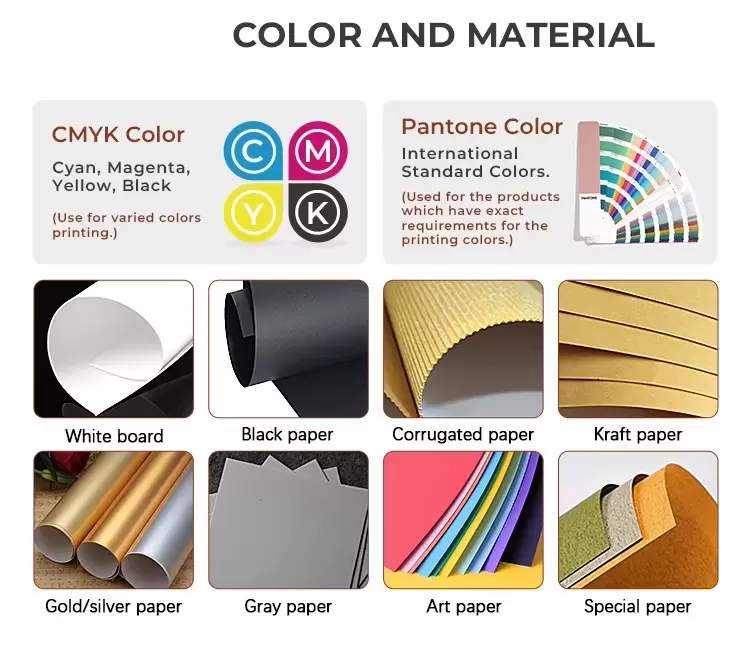
Material preparation: Paperboard, corrugated board, wrapping paper
or rigid board is prepared according to the specification. -
Printing: Approved artwork is transferred to the selected paper or
board surface. -
Surface finishing: Foil stamping, spot UV, embossing, debossing,
lamination or other treatments may be applied. -
Die-cutting and creasing: Sheets are cut and scored to form the
required structural panels. -
Folding, gluing or wrapping: The box is formed according to its
structure and production method. -
Inspection and packing: Dimensions, printing, finishing, assembly,
insert fit and export packing are reviewed.
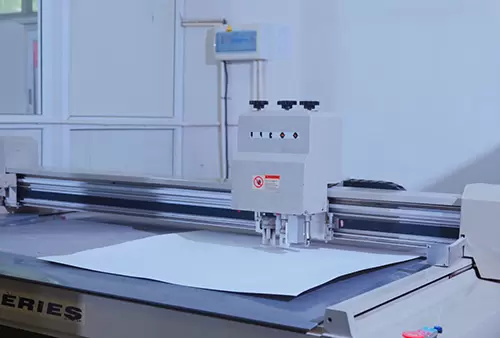
production tooling.
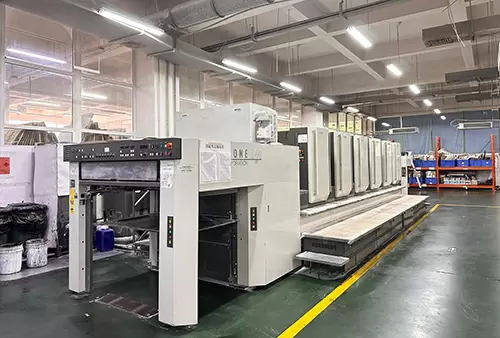
have been confirmed.
What Is a Packaging Dieline?
A dieline is the two-dimensional technical layout of a packaging structure. It shows
cutting lines, crease lines, glue areas, openings, panels and other construction
features.
Designers place artwork on the dieline so that text, images and branding appear in the
correct location after the box is folded or assembled. A dieline is not simply a visual
template; it is part of the manufacturing specification.
Artwork should not be finalized before the structure is confirmed because changing
dimensions, flaps or closure methods changes the printable panel layout.
How Are Packaging Boxes Printed?
Packaging boxes can be printed through several commercial processes depending on
quantity, material, color requirements and production configuration. The selected
process must be compatible with the paper or board and the required visual result.
Printed appearance is influenced by:
- Paper whiteness and surface texture
- Ink absorption
- Coated or uncoated surfaces
- Printing process
- Color profile and artwork preparation
- Lamination or coating
- Lighting conditions during evaluation
- Variation between digital screens and physical print

viewing conditions should be defined for the project.
What Are Packaging Surface Finishes?
Surface finishes are decorative or protective treatments applied after or alongside
printing. They can emphasize selected design areas, change surface texture or influence
perceived product value.
Foil Stamping
A metallic or colored foil is transferred to selected areas using heat and
pressure.
Spot UV
A glossy coating is applied to selected areas to create contrast with the
surrounding surface.
Embossing
Part of the surface is raised to create a tactile and visual effect.
Debossing
Part of the surface is pressed below the surrounding area.
Matte Finishing
A low-gloss surface is created through paper selection, coating or film.
Textured Paper
A paper with a visible or tactile surface pattern is used as the printed or
wrapped exterior.
Surface finishing should be selected after the material and production method are
confirmed. The same finishing process can appear different on smooth coated paper,
uncoated kraft paper and textured wrapping paper.
Why Are Packaging Samples Important?
A physical sample allows the buyer and manufacturer to evaluate factors that cannot be
confirmed from a digital rendering alone. These factors include board stiffness,
product fit, drawer friction, lid resistance, closure force, insert pressure, surface
texture and assembly sequence.
An unprinted structural sample can be used first to verify dimensions and product fit.
A printed sample may then be prepared where color, paper, foil, embossing or other
decorative details require approval.
Sampling principle: A visually accurate rendering does not prove
that a box can be assembled, loaded, opened and transported successfully. Physical
verification remains necessary for custom structures.
How Are Packaging Boxes Used Across Industries?
| Industry | Common box structures | Important packaging function | Typical technical consideration |
|---|---|---|---|
| Cosmetics and perfume | Folding cartons, rigid boxes, drawer boxes and magnetic boxes | Presentation and container protection | Glass weight, insert fit and surface appearance |
| Jewelry | Drawer boxes, lid-and-base boxes and magnetic boxes | Product positioning and controlled reveal | Scratch prevention and insert pressure |
| Apparel | Folding gift boxes, rigid boxes, mailers and paper bags | Presentation and storage efficiency | Garment folding method and package volume |
| Food and bakery | Folding cartons, sleeves, displays and corrugated boxes | Containment, information and distribution | Direct contact, grease, moisture and market requirements |
| Electronics | Rigid boxes, folding cartons and corrugated shipping boxes | Movement control and impact protection | Accessory organization and surface protection |
| E-commerce | Mailer boxes and corrugated shipping cartons | Parcel protection and unboxing | Empty space, dimensional weight and closure security |
| Wine and beverages | Rigid boxes, tubes and corrugated cartons | Weight support and bottle separation | Glass protection and carrying method |
| Retail display | Display boxes, folding cartons and tuck end boxes | Visibility and shelf organization | Stability as products are removed |
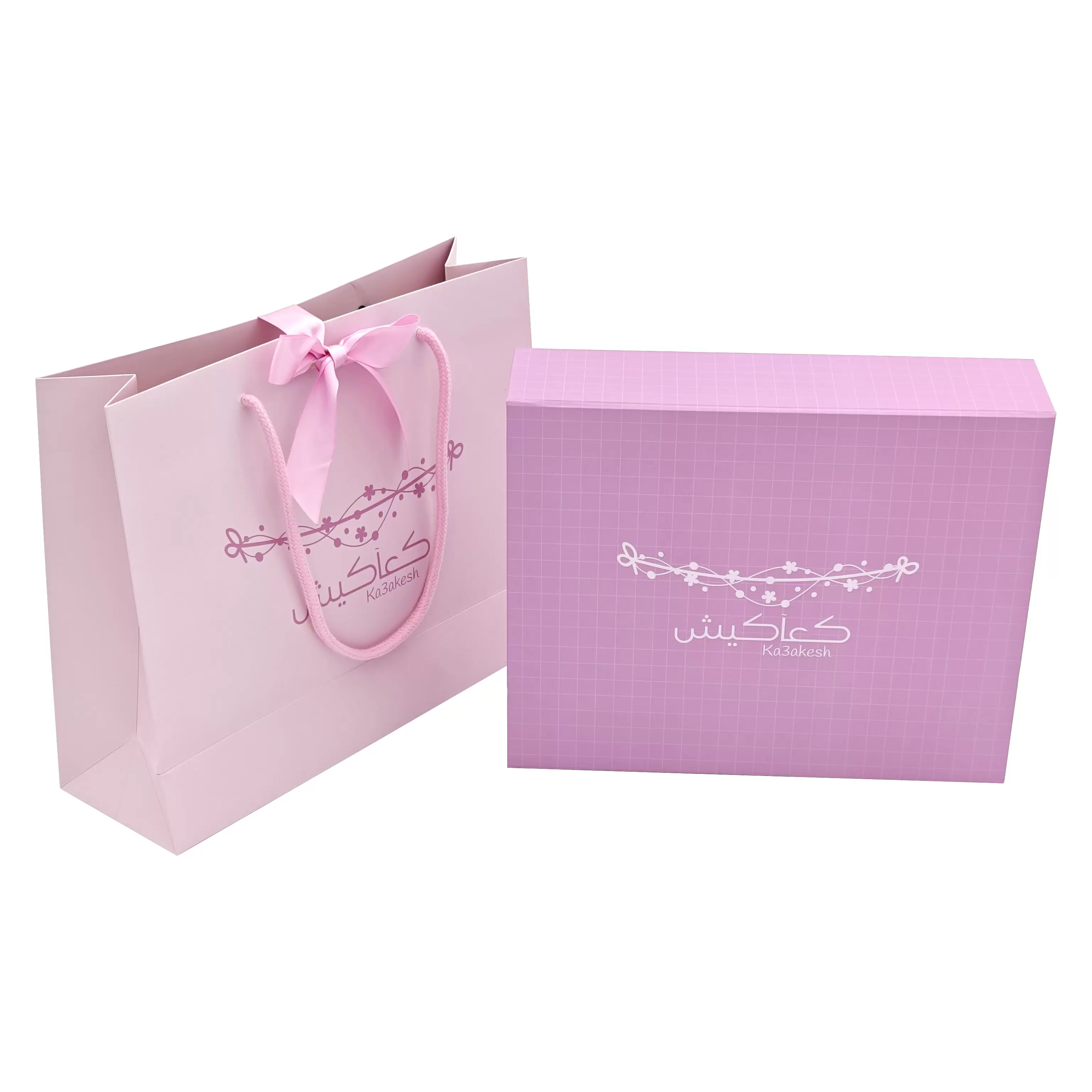
retail and gift applications.
What Is Sustainable Packaging?
Sustainable packaging is not defined by one color, material or marketing claim. It
refers to efforts to reduce environmental burden while maintaining the protective and
operational functions required by the product.
Important considerations include:
- Material source
- Total packaging weight
- Product-to-package ratio
- Shipping and storage volume
- Use of recycled content
- Certified fiber sourcing
- Ability to separate components
- Compatibility with local collection systems
- Product damage and replacement risk
- Potential for reuse
Reducing material is useful only when the product remains adequately protected.
Packaging failure may create environmental and economic losses through damaged
products, replacement shipments and additional transport.
A paper-based box is not automatically recyclable in every region. Films, magnets,
windows, adhesives, foam and metallic elements may affect sorting and recovery.
What Is the Difference Between FSC Certification and Recycled Content?
FSC certification concerns responsible forest management and chain-of-custody control
for forest-based materials. Recycled content refers to fiber recovered from previous
use and incorporated into a new material.
An FSC-certified paper is not automatically made from recycled fiber. A paper
containing recycled fiber is not automatically FSC certified. Buyers should specify
which environmental attribute is required instead of using the terms interchangeably.
What Information Is Needed for Custom Packaging Boxes?
Custom packaging cannot be accurately developed from a logo and product photograph
alone. A technical packaging brief should include:
- Product name and intended use
- Product dimensions in packed orientation
- Product and accessory weight
- Required internal or external box dimensions
- Order quantity
- Preferred box style
- Retail, wholesale or e-commerce channel
- Destination country
- Shipping method
- Paper or board preference
- Artwork files and brand colors
- Printing requirements
- Surface-finishing requirements
- Insert or partition requirements
- Certification requirements
- Sample requirements
- Target delivery schedule
Internal dimensions and external dimensions must be distinguished. Internal dimensions
describe the usable product space. External dimensions describe the completed outside
size and are relevant to shipping, palletization and warehouse calculations.
A related purchasing guide can be connected through
how to choose packaging boxes.
Important Packaging Terms
A relatively thin, stiff paper-based sheet used mainly for folding cartons.
A board structure made from fluted paper bonded to one or more liner sheets.
A non-collapsible or semi-collapsible box made from thick board, usually covered with
wrapping paper.
The flat technical drawing showing cutting, creasing, gluing and panel locations.
An internal component that supports, separates or positions products inside a box.
A decorative or protective process such as foil stamping, embossing, debossing or spot
UV.
A one-piece box with a hinged lid and integrated locking panels, commonly used for
e-commerce.
Another term for a rigid box that is normally supplied already assembled.
The packaging closest to or directly containing the product.
Packaging that groups, surrounds or presents one or more primary packages.
Common Misconceptions About Packaging Boxes
“A thicker box is always better.”
Additional thickness may increase stiffness, but it also increases material,
weight, cost and transport volume. The appropriate structure should meet the
required performance without unnecessary material.
“A rigid box can always be shipped directly.”
A rigid box may protect and present the product but remain vulnerable to
labels, abrasion, moisture and parcel handling. An outer corrugated carton may
still be required.
“All cardboard boxes are recyclable.”
Recyclability depends on the complete construction and local processing
systems, not only on the presence of paper fiber.
“A rendering proves the packaging will work.”
A rendering cannot confirm physical fit, closure force, drawer friction,
stiffness, assembly or transport performance.
“Luxury packaging only requires foil.”
Premium presentation depends on structure, proportions, material, wrapping,
color, insert fit and opening behavior as well as decorative finishing.
“Kraft paper is automatically sustainable.”
Kraft appearance does not prove recycled content, certified sourcing,
recyclability or lower total environmental impact.
Packaging Boxes and Total Supply-Chain Cost
The economic effect of a packaging box extends beyond its unit purchase price.
Packaging influences storage, labor, shipping volume, product damage, customer returns
and waste handling.
Total packaging cost may include:
- Box and insert production
- Tooling and sampling
- Assembly and filling labor
- Warehouse volume
- Master-carton and pallet efficiency
- Transportation volume and weight
- Damage and replacement risk
- Inspection and quality-control requirements
- Material separation and waste management
A lower-cost box may increase overall cost if it requires more labor, occupies more
space or fails to protect the product. Packaging optimization therefore seeks the best
system-level result rather than the lowest price for one component.
How HENGXING Produces Custom Paper Packaging Boxes
Xiamen Hengxing Color Printing Co., Ltd. supports project-based development of custom
paper packaging, including folding cartons, rigid gift boxes, magnetic closure boxes,
drawer boxes, lid-and-base boxes, mailer boxes, paper tubes, paper bags and packaging
accessories.
The company’s confirmed project support includes structural prototyping, printing,
surface finishing, assembly and packaging inspection. Custom options may include size,
structure, color, logo, paper direction, inserts, ribbons, handles and decorative
finishing.
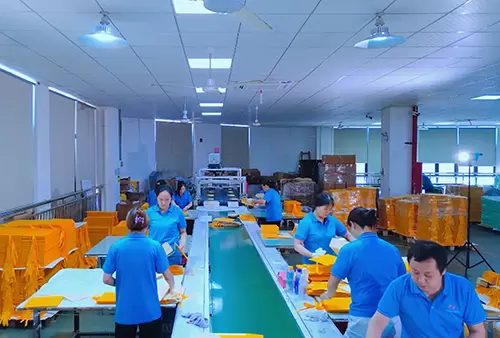
final export packing.
Buyers can review
custom packaging solutions
or submit dimensions, weight, quantity, artwork and application information through the
custom packaging inquiry page.
Frequently Asked Questions About Packaging Boxes
What are packaging boxes?
Packaging boxes are containers made primarily from paperboard, corrugated
fiberboard, rigid board or related materials. They contain, protect, store,
transport and present products while providing space for branding, instructions
and product information.
What are the main types of packaging boxes?
Main types include folding cartons, tuck end boxes, rigid boxes, magnetic closure
boxes, drawer boxes, lid-and-base boxes, corrugated shipping boxes, mailer boxes,
display boxes and cardboard tubes.
What is the main purpose of a packaging box?
The main purpose is to contain and protect a product. Packaging boxes may also
support transportation, storage, retail display, information communication,
product organization and customer unboxing.
What materials are packaging boxes made from?
Common materials include paperboard, corrugated fiberboard, kraft board and wrapped
rigid board. The correct material depends on product weight, box structure,
printing, presentation and transportation requirements.
What is the difference between paperboard and corrugated board?
Paperboard is a relatively thin, stiff sheet commonly used for folding cartons.
Corrugated board contains a fluted medium between liner sheets, creating additional
depth, cushioning and compression resistance.
What is the difference between a folding carton and a rigid box?
A folding carton is usually made from thinner paperboard and supplied flat. A rigid
box uses thicker board and is normally supplied assembled. Folding cartons are
storage-efficient, while rigid boxes provide a more substantial presentation.
What is a corrugated shipping box?
A corrugated shipping box is a transport container manufactured from fluted
fiberboard. It is commonly used for e-commerce, wholesale distribution, export,
storage and industrial transportation.
What is a mailer box?
A mailer box is usually a one-piece corrugated or paperboard structure with a
hinged lid and integrated locking panels. It is commonly used for e-commerce and
subscription products.
What is a packaging insert?
A packaging insert is an internal component that positions, supports, separates or
cushions products. Inserts may be made from folded paperboard, corrugated board,
wrapped board or other project-specific materials.
What is a packaging dieline?
A dieline is the flat technical layout of a box. It identifies cutting lines,
crease lines, glue areas, panels and closures and provides the framework for
artwork placement.
Are all packaging boxes recyclable?
No. Recyclability depends on the complete construction, including coatings,
laminations, adhesives, magnets, windows, inserts and local recycling systems.
Paper content alone does not guarantee universal recyclability.
Does FSC certification mean a box contains recycled paper?
No. FSC certification concerns responsible forest management and chain-of-custody
control. Recycled content concerns recovered fiber used in the material. These are
separate attributes.
Why do premium boxes need outer shipping cartons?
Premium boxes may provide presentation and internal protection without being
designed for labels, abrasion, stacking, moisture or parcel handling. A corrugated
outer carton can protect the decorative package during distribution.
Why is a physical packaging sample necessary?
A physical sample allows the buyer to evaluate product fit, board stiffness,
assembly, closure force, insert pressure, opening movement, printing and finishing.
These properties cannot be fully confirmed from a digital rendering.
What information is needed to make a custom packaging box?
Buyers should provide product dimensions, packed weight, box size, quantity,
preferred structure, materials, artwork, printing, finishing, insert requirements,
destination country, shipping method and delivery expectations.
Conclusion
Packaging boxes are engineered containers that connect products with manufacturing,
storage, transportation, retail presentation and final use. Their purpose extends far
beyond holding an object.
The performance of a packaging box depends on the interaction between product
dimensions, weight, fragility, box structure, board construction, insert design,
closure, printing, finishing and shipping environment.
Folding cartons provide efficient retail packaging. Corrugated boxes support
transportation and distribution. Rigid, magnetic, drawer and lid-and-base boxes provide
controlled presentation. Mailer boxes combine shipping and unboxing functions, while
display boxes and tubes serve specialized retail applications.
From a scientific and procurement perspective, the correct packaging box is not the
thickest, cheapest or most decorative option. It is the structure that performs the
required containment, protection, operational and communication functions with
appropriate material, space and complexity.
Develop a Custom Packaging Box
To evaluate a custom paper packaging structure, provide the product dimensions,
packed weight, quantity, preferred box style, artwork, paper direction, surface
finishing, insert requirements, sales channel and destination country.
Contact HENGXING for custom packaging development
covering folding cartons, rigid boxes, magnetic boxes, drawer boxes, mailers,
paper tubes, paper bags and protective inserts.
Need Custom Eco-Friendly Packaging Boxes for Your Project?
Get factory-direct pricing and technical support from our experts within 24 hours.
Request a Quick Quote