Packaging Boxes Review
Packaging Boxes Review: Performance, Materials, Applications and Buyer Evaluation
This academic review evaluates common packaging box structures according to
product protection, material efficiency, logistics, printing, assembly,
presentation, customization and total supply-chain value. The analysis explains
where each structure performs well, where it is limited and what buyers should
verify before production.
Review summary: Corrugated shipping boxes provide the strongest
general performance for distribution, folding cartons provide the best balance
for printed retail packaging, and corrugated mailer boxes perform well for
direct-to-consumer applications. Rigid, magnetic, drawer and lid-and-base boxes
achieve higher presentation scores but usually require more material, assembly
and transportation space.

printing, transport and assembly as one connected system.
Methodological limitation: This article is an editorial academic
assessment, not a report of independently completed laboratory tests. The scores
are comparative decision scores based on structural characteristics and common
packaging functions. No unprovided drop-test, compression-test, vibration-test,
humidity-test or failure-rate data are presented as measured facts.
Thuật ngữ packaging box review can be misleading when it is treated like a
consumer review of one finished product. Custom packaging boxes are not identical
commodities. Their performance changes with dimensions, board thickness, fiber
composition, flute construction, grain direction, insert geometry, printing, adhesive,
closure and packed product weight.
A useful review must therefore evaluate packaging categories rather than claim that one
sample represents every box within that category. A lightweight corrugated mailer and
a reinforced corrugated mailer may share the same general shape while performing very
differently during shipping. Similarly, two rigid magnetic boxes may look similar but
differ in board density, wrapping accuracy, magnet alignment and corner construction.
Packaging should be reviewed as a product–package–distribution system. The box alone
cannot determine protection, cost or environmental performance.
Main Review Findings
- Corrugated shipping boxes provide the broadest distribution performance.
- Folding cartons provide superior flat storage and retail printing efficiency.
- Mailer boxes combine shipping protection and branded opening.
- Rigid boxes provide structural stability and premium presentation.
- Magnetic boxes provide a controlled and repeatable closure.
- Drawer boxes provide a progressive product-reveal sequence.
- Lid-and-base boxes provide simple top loading and full product access.
- Tuck-end boxes are efficient for lightweight retail products.
- Display boxes are effective for point-of-purchase organization.
- Cardboard tubes are distinctive but less efficient for stacking and flat storage.
Review Methodology
The review uses eight weighted criteria. Scores indicate comparative suitability across
broad packaging applications and should not be interpreted as certified engineering
values.
Protection — 20%
Ability to control movement, distribute load, resist ordinary compression
and separate the product from external contact.
Logistics — 15%
Compatibility with shipping, stacking, palletization, labeling, wholesale
distribution and parcel handling.
Storage — 10%
Efficiency before filling, including flat-packing or collapsible delivery.
Printing — 15%
Printable area, surface quality, artwork detail and compatibility with
decorative finishing.
Presentation — 15%
Shelf appearance, opening sequence, product reveal and perceived structural
quality.
Assembly — 10%
Ease of erection, product loading, closure, labeling and final packing.
Customization — 10%
Ability to modify dimensions, inserts, openings, closures, handles,
partitions and printed surfaces.
Material Recovery — 5%
Potential compatibility with fiber-recovery systems when unnecessary
mixed-material components are avoided.
Overall Packaging Box Review Scorecard
| Packaging structure | Editorial score | Bảo vệ | Lưu trữ | Printing | Bài thuyết trình | Best use | Principal limitation |
|---|---|---|---|---|---|---|---|
| Hộp vận chuyển bằng bìa sóng | 92/100 | Cao | Cao | Trung bình | Thấp đến trung bình | Shipping, export and wholesale distribution | May require separate retail packaging |
| Hộp giấy gấp | 89/100 | Thấp đến trung bình | Very high | Very high | Cao | Printed retail packaging | Limited support for heavy or fragile products |
| Corrugated mailer box | 87/100 | Từ trung bình đến cao | Cao | Cao | Cao | E-commerce and subscription packaging | Not suitable for every heavy product |
| Hộp giải mã cứng | 82/100 | Trung bình | Low | Cao | Very high | Luxury and premium presentation | High storage and freight volume |
| Hộp có khóa từ tính | 80/100 | Trung bình | Thấp đến trung bình | Cao | Very high | Premium gifts and promotional sets | Magnets add material complexity |
| Lid-and-base box | 78/100 | Trung bình | Thấp đến trung bình | Cao | Cao | Apparel, gifts, jewelry and confectionery | Lid fit requires accurate tolerance |
| Hộp ngăn kéo | 77/100 | Trung bình | Thấp đến trung bình | Cao | Cao | Jewelry, cosmetics and accessories | Sliding friction requires sampling |
| Tuck-end box | 74/100 | Thấp đến trung bình | Very high | Cao | Trung bình | High-volume lightweight retail products | Standard closure has limited load support |
| Hộp trưng bày | 71/100 | Thấp đến trung bình | Từ trung bình đến cao | Cao | High at retail | Counter and shelf display | Sự ổn định thay đổi khi các sản phẩm được loại bỏ |
| Ống các-tông | 67/100 | Moderate for suitable products | Low | Cao | Nổi bật và độc đáo | Rolled, cylindrical and gift products | Low flat-storage and pallet efficiency |
1. Corrugated Shipping Box Review
Best General-Purpose Structure for Distribution
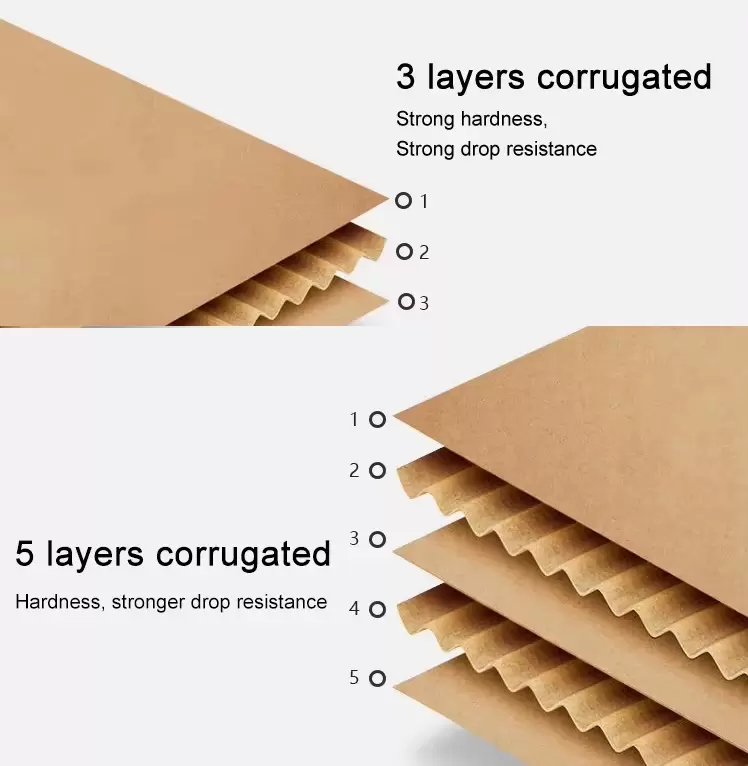
A corrugated shipping box is a transport container made from fluted paper
bonded to one or more liner sheets. Its major advantage is the structural
depth created by the fluted medium.
Editorial Score
Bảo vệ
Logistics
Lưu trữ
Printing
Bài thuyết trình
Corrugated boxes receive the highest overall review score because they support a
wide range of products and distribution conditions. They can be produced as regular
shipping cartons, die-cut cases, partitions, trays and heavy-duty outer packaging.
The material can provide cushioning and compression resistance, but the term
corrugated box does not define one fixed strength level. Liner composition,
flute construction, dimensions, moisture, openings and stacking conditions all
influence performance.
International shipping, wholesale distribution, industrial products, master
cartons and e-commerce.
Strong balance between protection, flat storage and logistics compatibility.
Board construction, packed weight, stacking height, humidity and product
movement.
Advantages
- Can be delivered flat
- Suitable for stacking and palletization
- Broad range of structural configurations
- Compatible with partitions and inserts
- Useful for parcel and export distribution
Limitations
- Not automatically suitable for premium retail display
- Fine printed detail depends on liner and process
- Strength decreases under unsuitable moisture conditions
- Oversized cartons increase dimensional volume
Buyers researching this structure can review
hộp vận chuyển bằng bìa sóng
as a dedicated category.
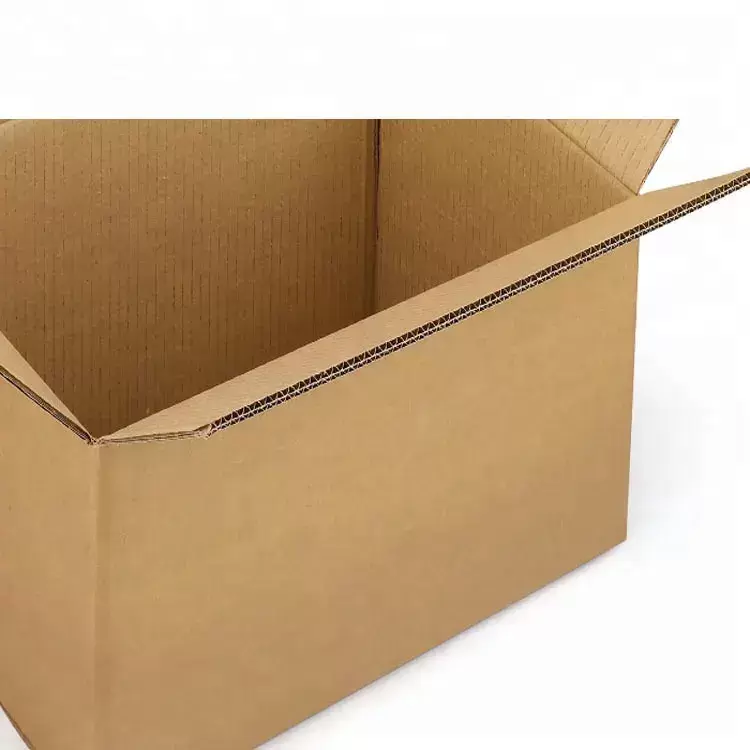
transport protection.
2. Folding Carton Review
Best Balance for Printed Retail Packaging
A folding carton is a paperboard package that is printed, die-cut, creased,
folded and usually side-glued before being supplied flat.
Editorial Score
Bảo vệ
Logistics
Lưu trữ
Printing
Bài thuyết trình
Folding cartons perform strongly in retail applications because they combine low
empty-package volume, broad printable surfaces and efficient production. They are
widely applicable to cosmetics, candles, confectionery, personal care and small
consumer products.
Their principal weakness is limited mechanical protection compared with deeper
corrugated or rigid structures. Product weight, bottom construction and insert
requirements must therefore be considered carefully.
Lightweight retail products requiring detailed printing and shelf information.
Very high printing and flat-storage efficiency.
Board stiffness, base closure, grain direction, insert support and product
weight.
Advantages
- Efficient flat delivery
- Large printable panels
- Suitable for high-volume filling
- Compatible with foil and embossing
- Relatively low package weight
Limitations
- Limited cushioning without an insert
- Not ideal for heavy concentrated loads
- May require a corrugated outer carton
- Surface damage can occur during direct shipping
General structural examples are available under
hộp đựng bằng bìa cứng.

consumer-facing retail packaging.
3. Corrugated Mailer Box Review
Best Combined Structure for E-Commerce and Unboxing
A corrugated mailer box is generally a one-piece structure with a hinged
lid, side walls and integrated locking panels.
Editorial Score
Bảo vệ
Logistics
Lưu trữ
Printing
Bài thuyết trình
Mailer boxes perform well where transportation and customer presentation must be
combined. The hinged lid creates a large interior panel for printed information,
while corrugated walls provide more structural depth than a lightweight folding
carton.
Their main limitation is that the presentation-oriented structure can require more
folding and board area than a simple slotted shipping carton. Heavy or highly
fragile products may still require reinforcement or additional protection.
Apparel, subscription products, accessories, cosmetics and direct-to-consumer
kits.
Combines parcel handling with interior brand communication.
Closure security, empty space, product weight, board grade and courier handling.
Advantages
- Interior and exterior printing
- Integrated locking construction
- Good direct-to-consumer presentation
- Can reduce separate packaging layers
- Delivered flat before assembly
Limitations
- More folding steps than basic shipping cartons
- May open without additional sealing in demanding conditions
- Oversizing increases parcel volume
- Không tự động phù hợp với các sản phẩm nặng
Structure-specific options can be reviewed under
hộp bưu phẩm tùy chỉnh.
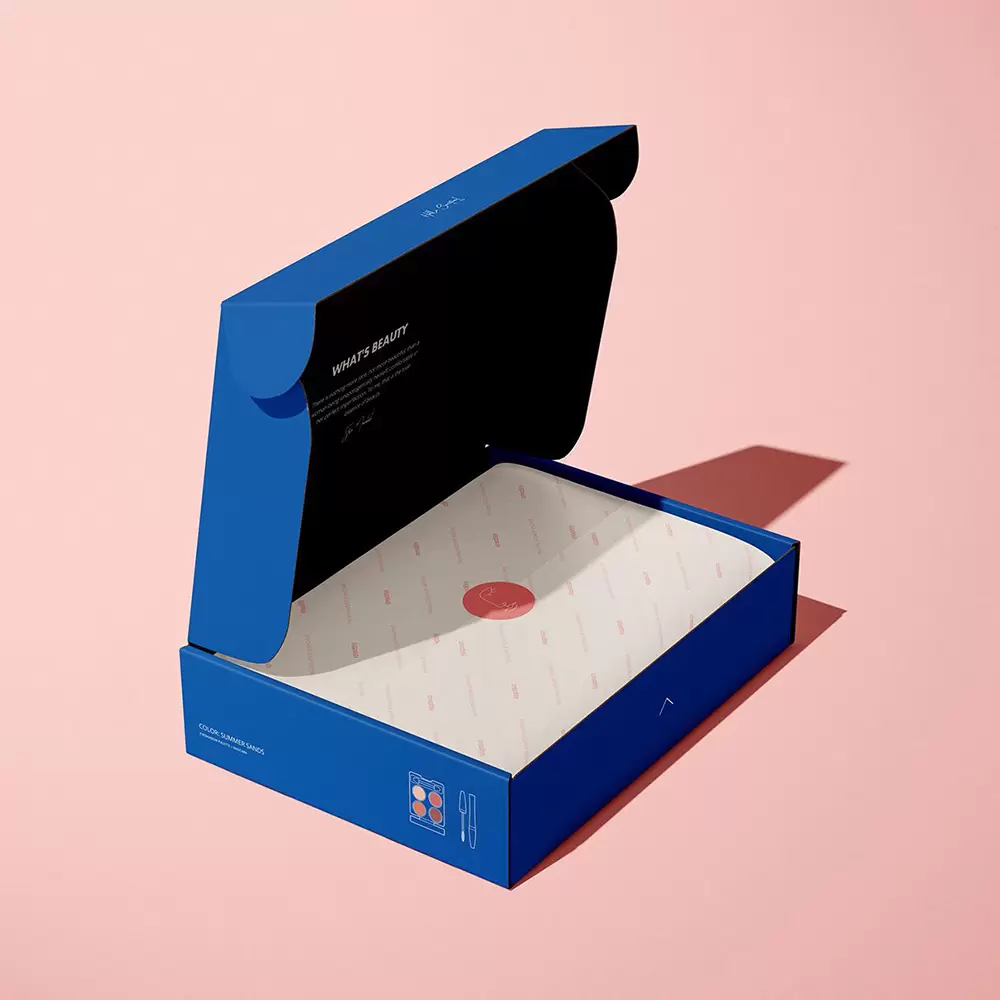
reveal.

panels.
4. Rigid Setup Box Review
Best General Structure for Premium Presentation
A rigid setup box uses thick board as a structural core and is normally
wrapped with printed, colored or textured paper.
Editorial Score
Bảo vệ
Logistics
Lưu trữ
Printing
Bài thuyết trình
Rigid boxes receive the strongest presentation assessment because their thick board
creates stable geometry and a substantial hand feel. They can support wrapped
papers, foil, embossing, ribbons and fitted presentation trays.
Their weakness lies in logistics. Traditional rigid boxes occupy almost the same
volume before and after filling. They may also require protective outer cartons to
prevent labels, abrasion and transport damage to the decorative surface.
Jewelry, perfume, cosmetics, gifts, electronics and premium product sets.
Dimensional stability and premium presentation.
Board thickness, wrapping accuracy, corner quality, insert fit and outer
shipping protection.
Advantages
- Stable premium structure
- Supports fitted presentation inserts
- Broad choice of wrapping papers
- Suitable for repeated opening
- High perceived material quality
Limitations
- Low empty-package storage efficiency
- Greater freight volume
- Higher manual forming and wrapping requirements
- Decorative surfaces may need outer protection
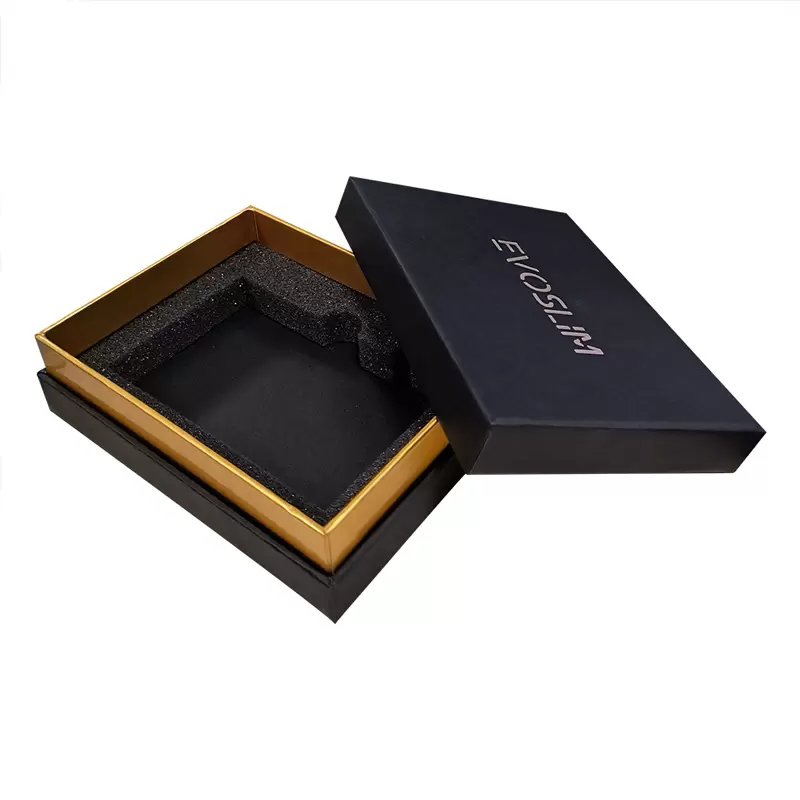
tray.
5. Magnetic Closure Box Review
Best for Controlled Premium Opening
A magnetic closure box uses concealed magnets to align and hold a hinged or
folding lid in the closed position.
Editorial Score
The magnetic structure performs strongly in gift and presentation applications.
The repeated closure action creates a clear opening sequence and allows the package
to remain usable after the original product is removed.
The main technical risks are incorrect magnet position, weak alignment, excessive
lid resistance and added mixed-material complexity. Collapsible magnetic boxes
improve storage efficiency but require additional assembly.
Apparel sets, cosmetics, promotional kits, gifts and premium accessories.
Repeatable closure and high presentation value.
Magnet alignment, lid position, adhesive security, folding and final closure.
Advantages
- Distinctive closing action
- Suitable for repeated opening
- Large interior printing area
- High gift-packaging value
Limitations
- Nam châm làm cho việc tách các vật liệu trở nên phức tạp hơn
- Additional alignment requirements
- Higher assembly complexity
- Traditional versions occupy more storage space
Additional structures can be reviewed under
hộp có khóa từ.
6. Drawer Box Review
Best for Progressive Product Reveal
A drawer box consists of an outer sleeve and a sliding inner tray that may
be opened through a ribbon, thumb notch or exposed tray edge.
Editorial Score
Drawer boxes create a deliberate reveal and are well suited to small premium
products. They can organize products and accessories through fitted inserts or
multiple cavities.
Their primary technical issue is dimensional tolerance. The tray must move without
excessive friction while remaining sufficiently controlled. Wrapping thickness,
insert pressure, adhesive and humidity may affect movement.
Jewelry, cosmetics, candles, confectionery and small accessories.
Progressive product reveal and organized tray presentation.
Sleeve clearance, tray movement, ribbon attachment and insert pressure.
Buyers can examine dedicated
hộp ngăn kéo cứng
when evaluating this opening method.
7. Lid-and-Base Box Review
Best for Simple Top Loading and Full Access
A lid-and-base box is a two-piece structure consisting of a separate upper
cover and lower tray.
Editorial Score
Lid-and-base boxes perform well when direct top loading and a complete product
reveal are required. They can be produced from rigid board or folding paperboard,
depending on presentation and storage requirements.
The critical technical factor is the relationship between the lid and the base. A
loose lid reduces control, while an excessively tight lid makes opening difficult
and may trap air.
Apparel, candles, confectionery, jewelry, gift sets and premium retail products.
Simple product loading and unrestricted access after lid removal.
Lid tolerance, opening resistance, insert height and product clearance.
Product-specific examples are available under
hộp nắp và hộp đế.
8. Tuck-End Box Review
Best for Efficient Lightweight Retail Packing
A tuck-end box is a folding carton with upper and lower closing flaps that
tuck into the box body.
Editorial Score
Tuck-end boxes provide good cost and storage efficiency for lightweight retail
products. Straight tuck and reverse tuck structures can be adapted to different
artwork and assembly requirements.
A standard tucked bottom should not be assumed to support every product weight.
Dense or heavy products may require an auto-lock bottom, crash-lock bottom,
reinforcement panel or different structure.
Personal care, cosmetics, candles, accessories and small consumer products.
Simple erection, flat storage and efficient printing.
Bottom load, tuck retention, board stiffness and automated-line compatibility.
Further structural information can be connected through
hộp có nắp gập.
9. Display Box Review
Best for Point-of-Purchase Organization
A display box is a paperboard or corrugated structure designed to hold and
present multiple products on a shelf, counter or retail display.
Editorial Score
Display boxes are effective where several small products must remain organized and
visible. Some structures convert from closed transport packaging into an open
display tray.
Their weakness is changing load distribution. As products are removed, the center
of gravity and visible arrangement change. The box must remain stable at different
stock levels.
Cosmetics, confectionery, accessories, samples and counter-sale products.
Organizes multiple units and creates a visible retail presence.
Front-wall height, product retention, header strength and partially empty
stability.
Dedicated formats can be reviewed under
hộp trưng bày.
10. Cardboard Tube Review
Best for Cylindrical and Distinctive Presentation
A cardboard tube is a cylindrical package made from spirally or
concentrically wound layers of paper.
Editorial Score
Cardboard tubes offer visual distinction and are compatible with rolled,
cylindrical and presentation-focused products. Their curved surface can be wrapped,
labeled or printed.
Tubes perform less efficiently in flat storage, rectangular pallet patterns and
conventional shelf arrangement. Their end caps and liners may also introduce
additional materials.
Rolled products, gifts, tea outer packaging, wine presentation and accessories.
Distinctive cylindrical form and suitability for rolled products.
End-cap fit, product clearance, rolling resistance and component composition.
A cardboard tube should not automatically be described as airtight,
moisture-proof or suitable for direct food contact. These properties require
project-specific materials and verification.
Related structures can be reviewed under
ống các-tông.
Category Winners
| Review category | Highest-rated structure | Reason | Important qualification |
|---|---|---|---|
| General shipping | Hộp vận chuyển bằng bìa sóng | Strong balance of compression, flat storage and logistics | Board construction must match the product and route |
| Retail printing | Hộp giấy gấp | Smooth printable surfaces and efficient panel layout | Fragile products may need additional support |
| E-commerce unboxing | Corrugated mailer box | Interior printing and integrated opening structure | Closure and product movement must be controlled |
| Luxury presentation | Hộp giải mã cứng | Stable structure and premium wrapped surface | Requires more storage and shipping volume |
| Repeatable closure | Hộp có khóa từ tính | Magnets provide a defined closing action | Mixed-material complexity increases |
| Progressive reveal | Hộp ngăn kéo | Sliding tray controls the opening sequence | Tray friction must be sampled |
| Simple loading | Lid-and-base box | Separate lid gives direct access to the tray | Lid fit requires dimensional control |
| High-volume lightweight retail | Tuck-end box | Simple flat structure and rapid closing | Bottom support depends on the structure |
| Point-of-purchase organization | Hộp trưng bày | Groups several units into one visible retail system | Partially empty stability must be checked |
| Cylindrical product presentation | Ống các-tông | Geometry matches rolled and cylindrical products | Lower stacking and flat-storage efficiency |
Review of Packaging Inserts and Accessories
Packaging inserts can change the performance of every box category. A basic folding
carton with an engineered insert may protect a product better than a thicker empty box.
Conversely, an attractive insert that does not control movement should not be treated as
functional protection.
Paperboard Insert
Suitable for platforms, light products, accessory organization and printed
bài thuyết trình.
Corrugated Partition
Suitable for dividing products, distributing load and reducing product-to-product
contact.
Wrapped Rigid Tray
Suitable for stable premium presentation where additional assembly and material
are acceptable.
Multi-Cavity Insert
Suitable for product sets that require defined positions for several items and
phụ kiện.
Buyers can review
packaging accessories
when inserts, partitions, handles, ribbons or internal components are required.
Printing and Surface-Finishing Review
Packaging printing should be reviewed separately from structural strength. Printing can
improve communication and presentation, but it does not automatically improve impact,
compression or shipping performance.
Important review factors include:
- Artwork resolution and line quality
- Độ trắng của giấy và kết cấu bề mặt
- Color consistency
- Print registration
- Foil position
- Embossing or debossing depth
- Spot-UV registration
- Interior and exterior color relationship
- Rub and abrasion sensitivity
- Readable product information
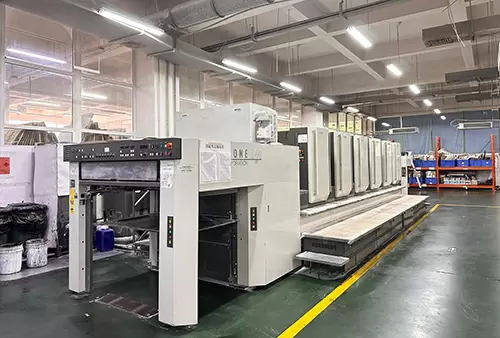
finishing compatibility.

conditions and acceptable tolerances are defined.
Tests Required for a Real Packaging Evaluation
A scientifically stronger packaging evaluation requires project-specific physical
testing. The appropriate procedures depend on product fragility, packed weight,
distribution route and customer requirements.
-
Dimensional inspection:
Check internal and external dimensions, panel alignment, wall thickness and insert
clearances. -
Product-fit evaluation:
Load the actual product and verify movement, removal, orientation and pressure. -
Closure evaluation:
Review tuck retention, magnetic alignment, lid fit, drawer movement and adhesive
security. -
Compression evaluation:
Determine whether the packed box can support the intended warehouse and transport
load. -
Impact evaluation:
Assess the complete packed unit under conditions relevant to expected handling. -
Vibration evaluation:
Review whether prolonged movement causes abrasion, loosening or component migration. -
Environmental evaluation:
Consider humidity and temperature conditions that may affect paper, adhesive and fit. -
Print and rub evaluation:
Review color, registration, surface abrasion and finishing adhesion. -
Packing-line evaluation:
Measure assembly, product loading, closing, labeling and master-carton packing. -
Distribution simulation:
Test the complete retail and shipping system rather than only the empty presentation
box.
Test methods, acceptance limits and sample quantities should be agreed for the
specific project. This article does not assign unverified pass or fail results to
any pictured box.
Why Structural Samples Matter
A digital rendering can communicate proportions and artwork, but it cannot demonstrate
stiffness, opening resistance, drawer friction, insert pressure or assembly time.
Structural samples are therefore necessary before mass production.

and product removal before mass production.
A sample review should verify:
- Internal dimensions
- External shipping dimensions
- Product movement
- Insert fit
- Bottom support
- Lid or drawer movement
- Closure security
- Artwork position
- Surface finish
- Packing sequence
Assembly and Production Review
Packaging performance includes the ability to manufacture and pack the structure
consistently. A visually complex box may produce a less favorable total result when it
requires excessive manual folding, gluing or product positioning.
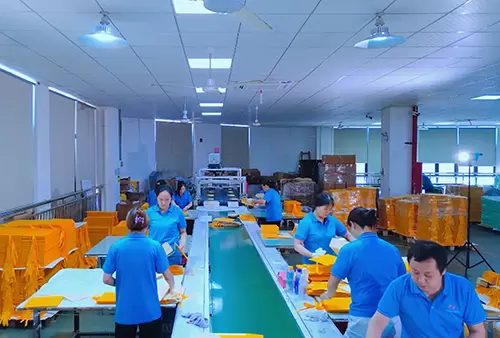
review.
Relevant operational factors include:
- Whether boxes arrive flat or assembled
- Number of folding and locking steps
- Need for tape or additional adhesive
- Worker access to the product cavity
- Insert stability during loading
- Consistency of product orientation
- Number of units per outer carton
- Potential for packing-line automation
Total Cost Review
The unit price of the empty box is not a sufficient measure of packaging value. A proper
review should include total system cost.
Total packaging cost:
Box production + insert production + tooling + sampling + assembly labor +
warehouse volume + shipping volume + outer-carton cost + inspection + damage and
replacement risk.
Folding Carton Cost Profile
Usually efficient for flat storage and high-volume retail packing, but inserts
and outer cartons may add cost.
Corrugated Box Cost Profile
May use more board volume but can reduce transport damage and separate shipping
các thành phần.
Rigid Box Cost Profile
Typically involves more board, wrapping, assembly and shipping volume, with
higher presentation value.
Mailer Box Cost Profile
Can combine retail and shipping functions but must be right-sized to avoid
unnecessary parcel volume.
Sustainability Review
Sustainability cannot be assessed from the brown or white appearance of the paper.
Relevant factors include material source, total package weight, transport efficiency,
product protection, mixed components and destination-market recovery systems.
| Packaging structure | Potential advantage | Potential limitation | Review question |
|---|---|---|---|
| Hộp giấy gấp | Low material volume and flat storage | Films, windows and coatings may complicate recovery | Can mixed-material components be reduced? |
| Corrugated box | Broad compatibility with paper recovery | Oversizing increases material and freight | Is the carton correctly sized? |
| Hộp đựng thư | May combine shipping and retail functions | Excess board area or coating may reduce efficiency | Does one box replace two necessary layers? |
| Rigid box | May support reuse and long-term storage | High material and transport volume | Is durability functionally useful? |
| Magnetic box | Durable and reusable appearance | Magnets create mixed-material construction | Can components be separated? |
| Ống các-tông | Primarily fiber-based cylindrical structure | End caps and liners may use other materials | What materials are used in the complete tube? |
FSC-certified sourcing and recycled content should not be treated as equivalent.
FSC relates to responsible forest management and chain-of-custody controls. Recycled
content concerns recovered fiber incorporated into a new material.
Packaging Review by Product Scenario
| Product scenario | Strong first option | Alternative | Reason | Primary verification |
|---|---|---|---|---|
| Lightweight cosmetic product | Hộp giấy gấp | Rigid box for premium presentation | Printing and retail information | Product weight and insert fit |
| Fragile glass bottle | Fitted inner box plus corrugated outer carton | Corrugated partition system | Separation and transport protection | Impact and movement control |
| E-commerce apparel | Corrugated mailer box | Shipping carton with inner wrapping | Combined delivery and presentation | Garment folding and dimensional volume |
| Premium jewelry product | Drawer or lid-and-base box | Hộp có khóa từ tính | Product reveal and fitted presentation | Surface contact and insert pressure |
| Heavy industrial component | Corrugated shipping carton | Reinforced outer case with partitions | Load distribution and shipping | Base support and stacking load |
| Retail counter products | Hộp trưng bày | Individual tuck-end cartons | Product visibility and organization | Partially empty stability |
| Rolled product | Ống các-tông | Rectangular box with end supports | Geometry matches product form | End-cap retention and rolling |
Additional industry-specific considerations can be connected through
packaging solutions by industry.
Buyer Review Checklist
-
Confirm product dimensions.
Measure the actual packed orientation, including caps, accessories and protective
các thành phần. -
Confirm packed weight.
Include the product, insert, instructions, wrapping and accessories. -
Separate internal and external dimensions.
Internal size controls product fit; external size controls shipping volume. -
Define the distribution channel.
Retail, e-commerce, wholesale and export require different structures. -
Compare equivalent materials.
Avoid comparing quotations that use different board constructions or inserts. -
Review assembly.
Confirm how the box is erected, filled, closed and packed into an outer carton. -
Review printing and finishing.
Confirm color, foil, embossing, coating and interior-printing requirements. -
Approve a physical sample.
Verify fit, closure, movement, presentation and packing sequence. -
Define required tests.
Select procedures relevant to the actual product and transportation route. -
Calculate total cost.
Include labor, storage, shipping volume, damage and replacement risk.
Overall Academic Verdict
Best Overall Utility: Corrugated Shipping Boxes
Corrugated shipping boxes achieve the strongest general review result because they
combine protection, flat storage, stacking and broad distribution suitability.
Best Retail Balance: Folding Cartons
Folding cartons provide the strongest balance of printing, shelf communication,
low package weight and flat-storage efficiency.
Best E-Commerce Balance: Corrugated Mailer Boxes
Mailer boxes provide a strong combination of parcel protection, interior printing
and customer-facing presentation.
Best Premium Presentation: Rigid Packaging Boxes
Rigid, magnetic, drawer and lid-and-base structures perform best when presentation,
opening behavior and fitted product organization are dominant.
These verdicts are not universal purchase instructions. A high-value glass product may
require a rigid inner box and corrugated shipping carton. A lightweight retail product
may perform better in a simple folding carton. The correct structure depends on the
complete product and distribution system.
Custom Packaging Evaluation with HENGXING
Xiamen Hengxing Color Printing Co., Ltd. supports custom paper packaging projects
involving cardboard packaging boxes, mailer boxes, magnetic closure boxes, rigid
drawer boxes, corrugated shipping boxes, lid-and-base boxes, tuck-end boxes, display
boxes, cardboard tubes, paper bags and packaging accessories.
Confirmed project capabilities include custom structures, dimensions, colors, logos,
paper materials, inserts, handles, ribbons and surface finishing. Project support can
include structural prototypes, packaging samples, printing, finishing, assembly and
packaging inspection.
Buyers can review
custom packaging solutions
and the
HENGXING company profile
before submitting product-specific requirements.
Frequently Asked Questions About Packaging Box Reviews
What is the best packaging box overall?
Corrugated shipping boxes provide the broadest general utility for distribution,
but the correct box depends on the product, packed weight, sales channel and
presentation requirements.
Is this review based on independent laboratory testing?
No. It is an academic editorial comparison based on structural characteristics and
common packaging functions. It does not claim unprovided laboratory measurements
or test results.
Which packaging box is best for retail products?
Folding cartons and tuck-end boxes are effective for lightweight retail products
because they provide detailed printing, flat storage and efficient filling.
Which packaging box is best for e-commerce?
Corrugated mailer boxes are effective where shipping and branded unboxing must be
combined. Standard corrugated cartons may be better for heavy or wholesale products.
Which packaging box is best for luxury products?
Rigid setup boxes, magnetic boxes, drawer boxes and lid-and-base boxes provide high
presentation value. The best option depends on the desired opening sequence and
storage requirements.
Are rigid boxes suitable for direct shipping?
Not always. Decorative rigid boxes may require corrugated outer cartons to protect
them from labels, abrasion, stacking and parcel handling.
Are corrugated boxes always stronger than folding cartons?
Corrugated structures generally provide more structural depth and cushioning, but
actual performance depends on board construction, dimensions, humidity, packed
weight and design.
What is the main advantage of a mailer box?
A mailer box can combine shipping protection with interior printing and a
presentation-oriented opening.
What is the main disadvantage of a magnetic box?
Magnets increase material complexity, assembly requirements and possible
separation requirements during recycling.
Why do drawer boxes need physical samples?
Drawer movement depends on the clearance between the sleeve and tray. Wrapping
thickness, insert pressure, adhesive and humidity may change friction.
Which packaging box is easiest to store?
Folding cartons and tuck-end boxes usually provide the highest flat-storage
efficiency. Corrugated cartons and mailers can also be delivered flat.
Which packaging box is cheapest?
There is no universally cheapest box. Price depends on dimensions, materials,
quantity, printing, finishing, inserts, assembly and shipping volume.
Are paper packaging boxes recyclable?
Many paperboard and corrugated boxes may be compatible with fiber-recovery systems,
but coatings, windows, magnets, adhesives, foam and local processing conditions
affect the completed package.
Does FSC certification mean the box contains recycled paper?
No. FSC certification and recycled content describe different material attributes.
What information is needed for a packaging review?
Provide product dimensions, packed weight, fragility, quantity, distribution
channel, box structure, materials, printing, finishing, insert, destination and
shipping method.
Conclusion
Packaging boxes should be reviewed through a structured evaluation of protection,
logistics, storage, printing, assembly, customization, presentation and material use.
Appearance alone is not a reliable measure of packaging performance.
Corrugated shipping boxes provide the broadest transport utility. Folding cartons
provide the strongest retail-printing and flat-storage balance. Mailer boxes perform
well in direct-to-consumer distribution, while rigid structures provide higher premium
bài thuyết trình.
Magnetic boxes, drawer boxes and lid-and-base boxes differ primarily in opening
behavior and assembly. Tuck-end boxes provide efficient lightweight retail packaging,
display boxes organize products at the point of sale, and cardboard tubes provide
distinctive cylindrical packaging.
From a purely academic perspective, a reliable packaging review must remain conditional.
A box performs well only when its dimensions, material, insert and closure are matched
to the actual product and verified through appropriate sampling and testing.
Request a Project-Specific Packaging Review
Provide the product dimensions, packed weight, quantity, preferred structures,
artwork, printing, finishing, insert requirements, sales channel, destination
country and shipping method.
Request a custom packaging quote
for a structure, material, sample and production evaluation based on the actual
product requirements.
Need Custom Eco-Friendly Packaging Boxes for Your Project?
Get factory-direct pricing and technical support from our experts within 24 hours.
Request a Quick Quote