Automated Box Packaging | Xiamen Hengxing Color Printing
Understand Where Automated Box Packaging Systems Fit in a Packaging Workflow
Automated box packaging systems are best understood as a way to connect packaging tasks with a more organized workflow rather than as a single solution that automatically fits every packaging operation. Businesses exploring automation usually begin with a practical question: which parts of their packaging process require more consistency, coordination, or planning?
Xiamen Hengxing Color Printing Co., Ltd., located at No.6 Yanghe South Rd, Xinyang Industrial Area, Haicang District, Xiamen, Fujian, China 361026, provides custom paper packaging solutions and related packaging knowledge. When buyers research packaging automation topics, understanding the relationship between packaging design, production requirements, and workflow planning can help create clearer discussions about future projects.
A packaging workflow can include multiple connected stages:
- Product preparation
- Packaging material selection
- Box assembly or forming activities
- Product placement
- Closing and identification steps
- Storage or shipment preparation
Automation concepts may apply differently depending on where a business experiences challenges. Some companies may be focused on reducing manual handling, while others may want to understand how packaging operations can become more structured before making equipment decisions.
The important first step is defining the role automation should support. Without a clear workflow objective, buyers may compare technologies without understanding whether those systems match their actual packaging requirements.
Define the Packaging Tasks and Goals Before Considering Automation Concepts
Before discussing automated box packaging systems, buyers should define the packaging problem they want to solve. The keyword itself does not describe one universal machine, workflow, or operating method. It represents a broad category of automation-related ideas that can apply to different packaging environments.
A useful starting point is to identify the current packaging process and the desired improvement.
For example, a buyer may want to understand:
- Which packaging steps require repeated manual actions?
- Where do delays occur during normal operations?
- Which packaging decisions depend on product variation?
- How important are presentation, consistency, and handling requirements?
- Is the goal future planning, workflow improvement, or evaluating available solutions?
The answers help separate operational goals from assumptions about equipment.
A packaging project can involve several decision factors:
| Packaging consideration | Questions to clarify |
|---|---|
| Product requirements | What item will the package contain, and what protection or presentation purpose is needed? |
| Workflow position | Which packaging stage needs improvement or further organization? |
| Volume expectations | How frequently will packaging activities occur? |
| Product variation | Are package contents consistent or frequently changing? |
| Business priorities | Is the focus on efficiency, repeatability, appearance, or process control? |
This type of preparation is valuable because packaging automation is not only about equipment. It is also about how packaging information moves through a business.
A well-defined packaging brief can help companies communicate more effectively with packaging specialists, designers, and potential solution providers. It also reduces the risk of selecting an approach based only on a general keyword rather than a real operational requirement.
Identify the Information Needed to Discuss an Automated Packaging Application
A productive automation discussion starts with accurate project information. Buyers should prepare details that describe their packaging goals, current workflow, and expected outcomes.
The first area to clarify is the product itself. Packaging requirements often depend on the item being packed, including its size, weight, shape, fragility, and presentation expectations. A package designed for retail display may have different priorities from packaging intended mainly for transportation or storage.
The second area is the packaging structure. Buyers should understand what type of packaging they are planning to use, such as folding cartons, paper boxes, or other custom packaging formats. The package design can influence how an automated process may need to interact with the packaging workflow.
The third area is operational information. Useful discussion points may include:
- Current packaging steps and sequence
- Required human involvement
- Production timing expectations
- Product change frequency
- Quality expectations
- Available workspace considerations
These details create a clearer foundation for evaluating whether automation concepts are relevant.
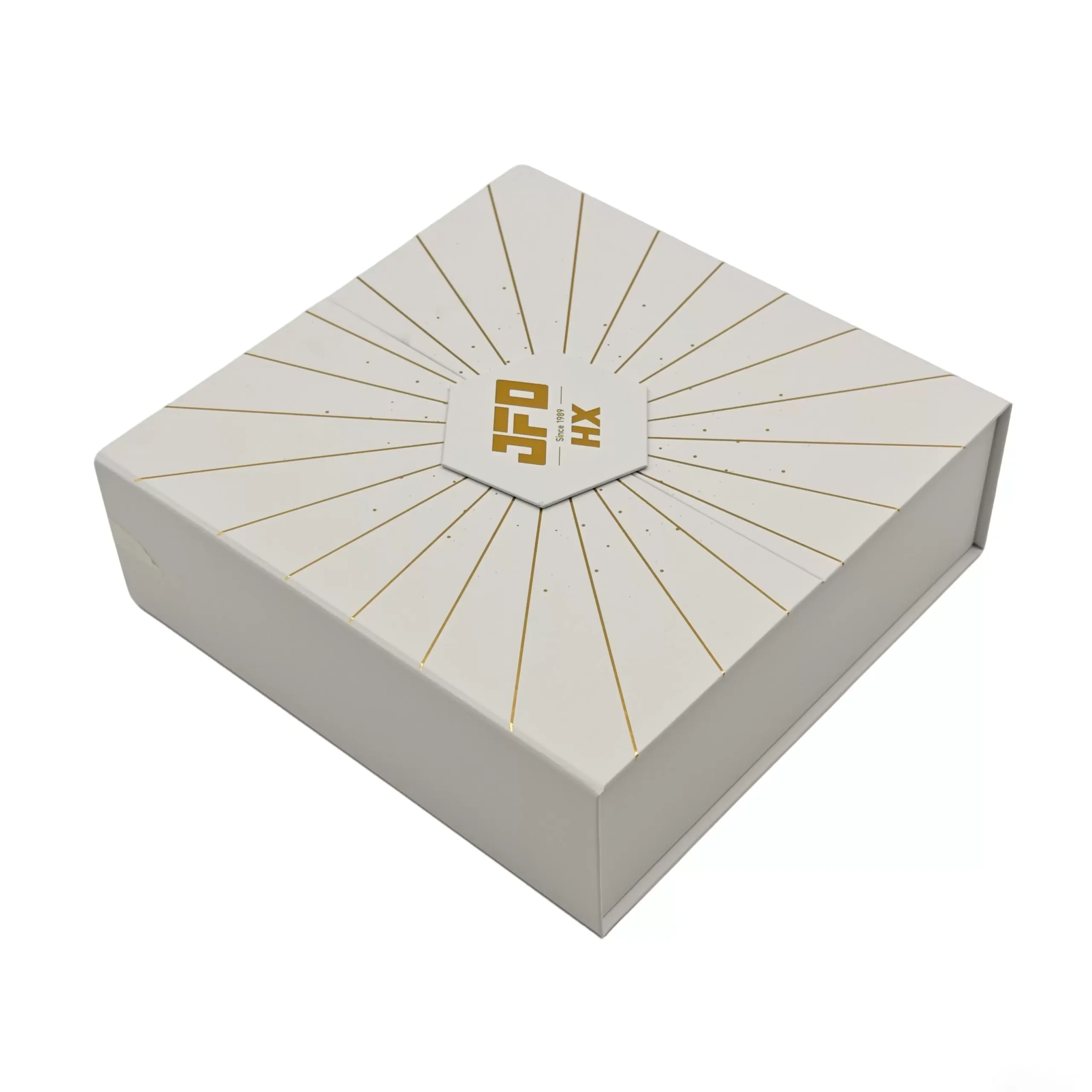
A common mistake is beginning with a technology name before defining the packaging objective. A more effective approach is to describe the business need first and then evaluate possible methods.
For example, instead of asking only whether an automated system exists, buyers can ask:
- Which packaging activities could benefit from more structured handling?
- What information would a packaging solution provider need?
- Which parts of the process require flexibility?
- What packaging results are most important?
This approach supports better decision-making because automation becomes part of a larger packaging strategy rather than an isolated purchase decision.
Prepare a Clear Packaging Brief Before Comparing Automation Options
A clear packaging brief helps organize expectations before technical discussions begin. It does not need to include every possible detail at the beginning, but it should provide enough information to explain the intended application.
Important preparation areas include:
Product and packaging purpose
Describe what the package is intended to achieve. This may include product presentation, protection, branding communication, gifting requirements, or retail display considerations.
Workflow objectives
Explain why automation is being considered. The objective might involve improving process organization, understanding future production needs, or reducing uncertainty during packaging planning.
Packaging references
Provide useful visual or technical references when available. Examples may include existing packaging samples, artwork concepts, product images, or descriptions of the intended customer experience.
Project expectations
Clarify what stage the project is currently in. Some buyers are researching possibilities, while others already have a defined packaging concept and need further discussion.
A practical preparation checklist includes:
- Define the product that will be placed inside the package.
- Describe the intended packaging purpose and customer experience.
- Map the current packaging workflow from start to finish.
- Identify which tasks create difficulty or require improvement.
- Collect available packaging references, drawings, or examples.
- Prepare questions about workflow compatibility and project requirements.
This preparation does not guarantee that a specific automation approach will be suitable. Instead, it creates a more accurate starting point for evaluating options.
Consider Packaging Automation as Part of a Larger System
Packaging operations are interconnected. Changes in one area can influence other areas, including packaging design, material selection, inventory planning, and production coordination.
For this reason, buyers should avoid viewing automated box packaging systems only as equipment decisions. A complete packaging discussion may involve:
- The relationship between package structure and workflow
- The information required for consistent production
- The balance between automation and flexibility
- The importance of clear communication between teams
For custom packaging projects, understanding these relationships can improve planning before production conversations begin.
Xiamen Hengxing Color Printing Co., Ltd. focuses on custom paper packaging and packaging-related solutions. Businesses researching packaging applications can use clear project information and workflow goals when discussing packaging requirements, design directions, and possible next steps.
Frequently Asked Questions About Automated Box Packaging Systems
What does the term automated box packaging systems mean?
The term generally refers to packaging processes where certain box-related activities are organized or supported through automation concepts. The exact meaning depends on the packaging workflow, product requirements, and operational goals being considered.
How should a company begin discussing an automated packaging application?
A company should first define its product, packaging purpose, current workflow, and improvement goals. This information creates a clearer foundation than starting with equipment assumptions.
Does every packaging project require automation?
No. Automation may be useful for some workflows but unnecessary for others. The right approach depends on packaging objectives, process requirements, flexibility needs, and business priorities.
What information should buyers prepare before discussing packaging solutions?
Buyers should prepare product details, packaging references, workflow descriptions, expected outcomes, and any existing design or production requirements that can help explain the project.
Can packaging design influence automation planning?
Yes. Packaging structure, material characteristics, and intended use can affect how a packaging workflow is organized. Understanding the package itself is an important part of discussing possible automation applications.
META_DATA_START
Need Custom Eco-Friendly Packaging Boxes for Your Project?
Get factory-direct pricing and technical support from our experts within 24 hours.
Request a Quick Quote