
Comparação de caixas de embalagem: tipos, materiais e aplicações
Packaging Boxes Compared: Structures, Materials, Protection and Applications
Packaging boxes differ substantially in structural geometry, material composition,
protective performance, storage efficiency, printing capability, assembly method,
transportation suitability and presentation value. A meaningful comparison must
therefore evaluate the complete packaging system rather than appearance alone.
Quick answer: Folding cartons are efficient for printed retail
packaging, corrugated boxes are stronger for shipping and distribution, mailer
boxes combine e-commerce protection with unboxing presentation, and rigid boxes
provide greater dimensional stability and premium appearance. Magnetic,
drawer and lid-and-base boxes are specialized rigid structures with different
opening methods, while display boxes and cardboard tubes serve narrower retail
or product-specific applications.
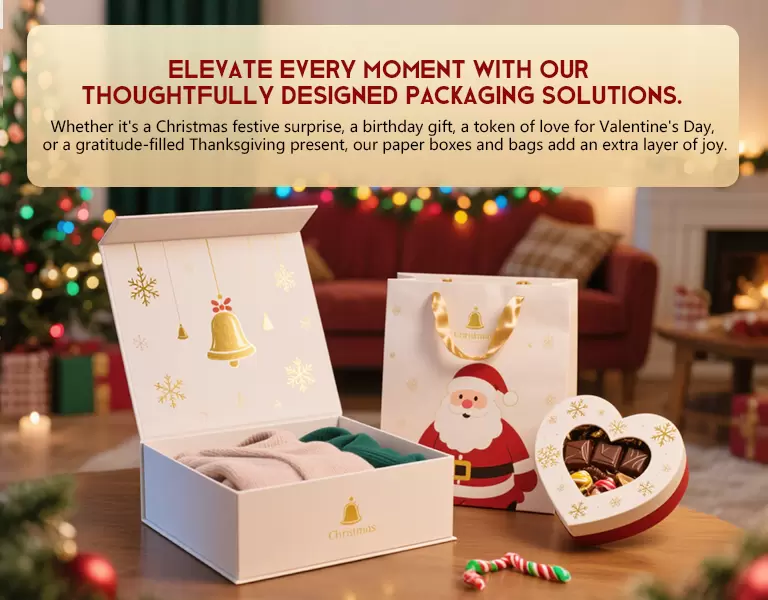
logistics and presentation rather than by visual appearance alone.
Packaging terminology often places structurally different products under the same
general category. A folding carton, a corrugated shipping case and a rigid magnetic box
may all be described as cardboard packaging boxes, even though their materials,
manufacturing processes and functional performance are not equivalent.
This creates a common procurement problem: buyers compare unit prices without first
confirming whether the proposed boxes perform the same function. A lightweight folding
carton cannot be compared directly with a reinforced corrugated carton merely because
their external dimensions are similar. A rigid gift box and a corrugated mailer may
both provide attractive presentation, but only one may be designed for direct parcel
handling.
Academic qualification: No packaging structure is universally
superior. Each structure becomes advantageous only when its material, dimensions,
insert, closure and production method are aligned with the product and distribution
environment.
Key Comparison Findings
- Folding cartons provide the highest flat-storage efficiency.
- Corrugated boxes provide stronger shipping and stacking capability.
- Mailer boxes combine transport function with interior presentation.
- Rigid boxes provide higher structural stability and premium appearance.
- Magnetic boxes provide a controlled and repeatable closure.
- Drawer boxes create a progressive product reveal.
- Lid-and-base boxes simplify top loading and product access.
- Display boxes organize products at the point of sale.
- Cardboard tubes provide distinctive cylindrical packaging.
- Inserts can change the performance of every box category.
How Packaging Boxes Should Be Compared
Packaging comparison should begin with measurable functional requirements. Visual
preference is relevant, but it cannot replace analysis of product weight, fragility,
packing method, storage, transportation and destination-market requirements.
Primary Comparison Criteria
Protection
Resistance to movement, impact, compression, puncture, abrasion and
ordinary handling.
Material Structure
Paperboard, corrugated fiberboard, rigid board, wrapping paper and internal
support components.
Storage Efficiency
Whether the box can be supplied flat, collapsed or fully assembled.
Transportation
Suitability for stacking, parcel handling, export cartons, pallets and
wholesale distribution.
Printing
Printable area, paper compatibility, artwork detail and decorative
finishing.
Presentation
Shelf appearance, opening behavior, product reveal and perceived
structural quality.
Assembly
Number of folding, locking, gluing and product-loading operations.
Total Cost
Box, insert, tooling, packing labor, storage, transport and damage-related
costs.
Material Recovery
Ability to separate components and compatibility with destination-market
recovery systems.
Packaging boxes should be compared in their completed, packed condition. An empty box
cannot reveal how product weight, insert pressure and transportation loads will affect
performance.
Overall Comparison of Common Packaging Boxes
| Packaging structure | Typical material | Protection level | Flat-storage efficiency | Printing potential | Presentation level | Typical applications | Main limitation |
|---|---|---|---|---|---|---|---|
| Folding carton | Printable paperboard | Low to moderate | Very high | High | Moderate to high | Cosmetics, personal care, confectionery and small retail products | Limited protection for dense, fragile or heavy products |
| Tuck-end box | Paperboard | Low to moderate | Very high | High | Moderate | Small consumer products and high-volume retail cartons | Standard tuck closures are not automatically tamper-evident |
| Corrugated shipping box | Corrugated fiberboard | Moderate to high | High | Moderate to high | Low to moderate | Shipping, wholesale, industrial and export distribution | May require a separate retail or presentation package |
| Corrugated mailer box | Corrugated fiberboard | Moderate to high | High | High | Moderate to high | E-commerce, subscription, apparel and promotional sets | Not appropriate for every heavy or highly fragile product |
| Rigid setup box | Wrapped rigid board | Moderate | Low | High through wrapping paper | Very high | Jewelry, cosmetics, gifts, perfume and electronics | Greater storage and freight volume |
| Magnetic closure box | Rigid or collapsible wrapped board | Moderate | Low to moderate | High | Very high | Premium gifts, apparel, beauty and promotional packaging | Magnets increase material and recycling complexity |
| Drawer box | Rigid board or paperboard | Moderate | Moderate to low | High | High | Jewelry, confectionery, cosmetics and accessories | Drawer fit and friction require careful control |
| Lid-and-base box | Rigid board or folding paperboard | Moderate | Moderate to low | High | High | Apparel, candles, gifts, chocolate and jewelry | Lid and base tolerances must be accurately matched |
| Display box | Paperboard or corrugated board | Low to moderate | Moderate to high | High | High at retail | Counter products and point-of-purchase presentation | Stability changes as products are removed |
| Cardboard tube | Spirally wound paper layers | Moderate for suitable products | Low | High through labels or wrapping | High and distinctive | Rolled products, gifts, apparel accessories and beverage presentation | Not flat-packed and not automatically airtight |
Folding Cartons vs. Corrugated Boxes
Folding Cartons
Folding cartons are normally made from relatively thin, printable paperboard.
They are supplied flat, erected before filling and commonly used as
consumer-facing retail packaging.
- Lower empty-package storage volume
- Smooth printing surfaces
- Efficient high-volume retail packing
- Suitable for lightweight products
- Compatible with foil, embossing and windows
Corrugated Boxes
Corrugated boxes are produced from a fluted paper medium bonded between liner
sheets. The fluted construction creates structural depth and supports shipping,
stacking and distribution.
- Higher cushioning potential
- Greater compression resistance
- Suitable for shipping and export
- Better support for heavier products
- Can contain several retail packages

storage.
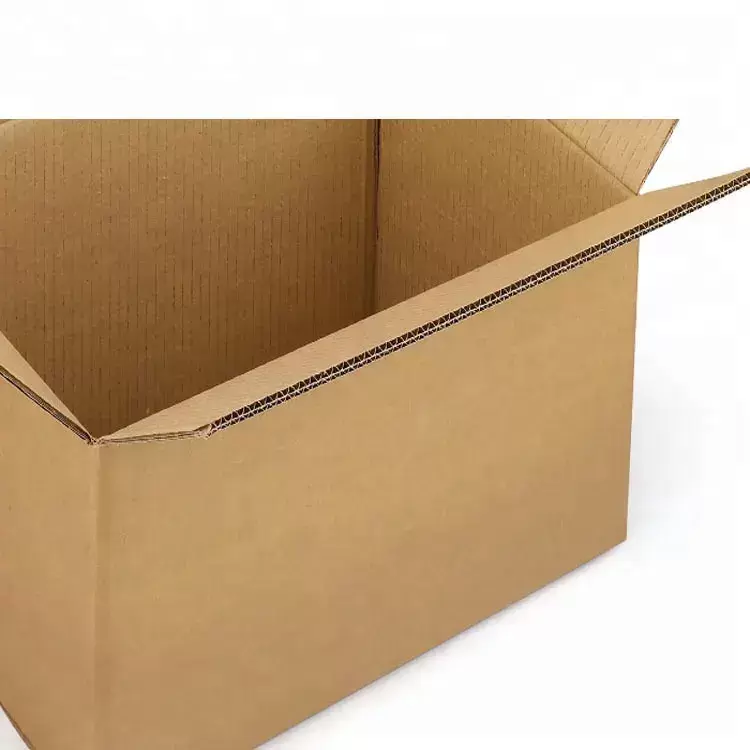
transport performance.
Which structure is stronger?
A properly specified corrugated box generally provides greater cushioning and
compression resistance than a lightweight folding carton. However, strength cannot be
determined from material category alone. Box dimensions, board grade, flute
construction, humidity, openings and product weight all influence performance.
Which structure is more efficient to store?
Both categories can be supplied flat, but folding cartons generally occupy less
material thickness and empty-package volume. This gives them an advantage for large
quantities of lightweight retail packaging.
Which structure is better for printing?
Folding-carton paperboard usually provides a smoother surface for detailed retail
graphics. Corrugated boxes can also be printed effectively, but visible fluting,
liner texture and printing method may influence fine detail.
Comparison Result
Select a folding carton when retail printing, flat storage and low package weight
are dominant. Select a corrugated box when transport protection, stacking and
heavier product support are more important.
Rigid Boxes vs. Folding Cartons
Rigid Boxes
Rigid boxes use thick board as a structural core and are generally wrapped with
printed, colored or textured paper.
- High dimensional stability
- Substantial hand feel
- Strong compatibility with fitted inserts
- Premium visual presentation
- Normally supplied assembled
Folding Cartons
Folding cartons use thinner paperboard and derive much of their shape from
folds, creases, locks and glue joints.
- High flat-storage efficiency
- Lower material volume
- Fast automated or manual packing
- Large printable panels
- Suitable for higher-volume retail use
Rigid boxes generally provide stronger visual and tactile presentation, while folding
cartons provide better storage, transport and production efficiency. A rigid box is
not automatically stronger as a shipping package because its decorative wrapping may
still require protection from abrasion, labels and moisture.
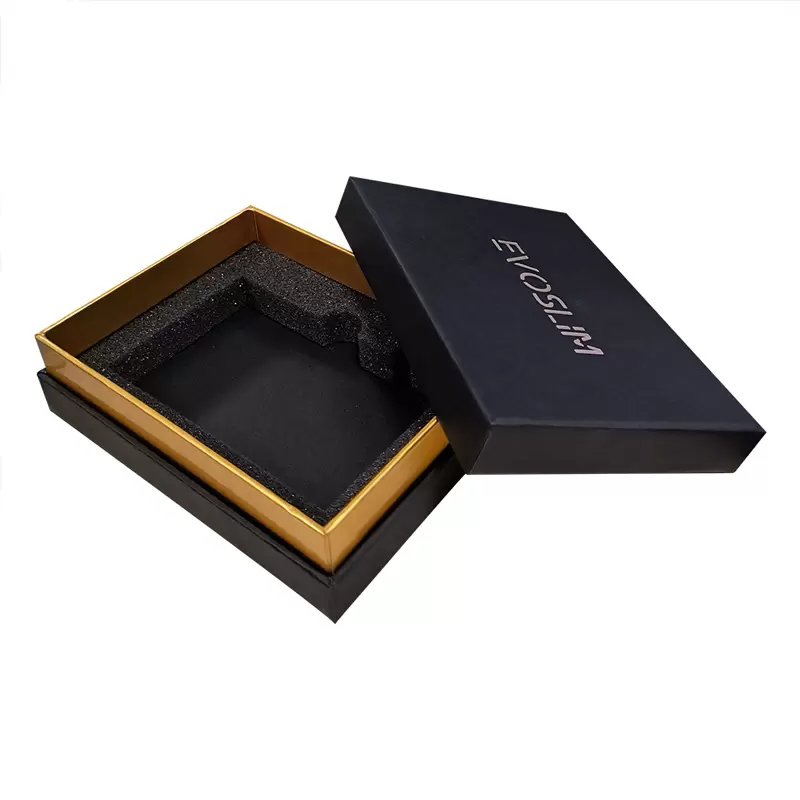
occupy more storage and shipping volume.
Comparison Result
Select a rigid box when product presentation, repeated opening and structural hand
feel are central. Select a folding carton when efficient storage, high-volume
packing and lower package weight are more important.
Mailer Boxes vs. Standard Shipping Boxes
Caixas de correio
Mailer boxes normally use a hinged lid, side walls and integrated locking
panels. Their structure creates a presentation-oriented opening.
- Interior and exterior printing
- Controlled unboxing
- Integrated locking structure
- Suitable for direct-to-consumer delivery
- Often requires less tape than a slotted carton
Standard Shipping Boxes
Standard corrugated shipping boxes often use opposing top and bottom flaps
closed with tape or another sealing method.
- Efficient for wholesale quantities
- Broad range of sizes and board constructions
- Simple master-carton function
- Suitable for industrial distribution
- Usually less complex to manufacture
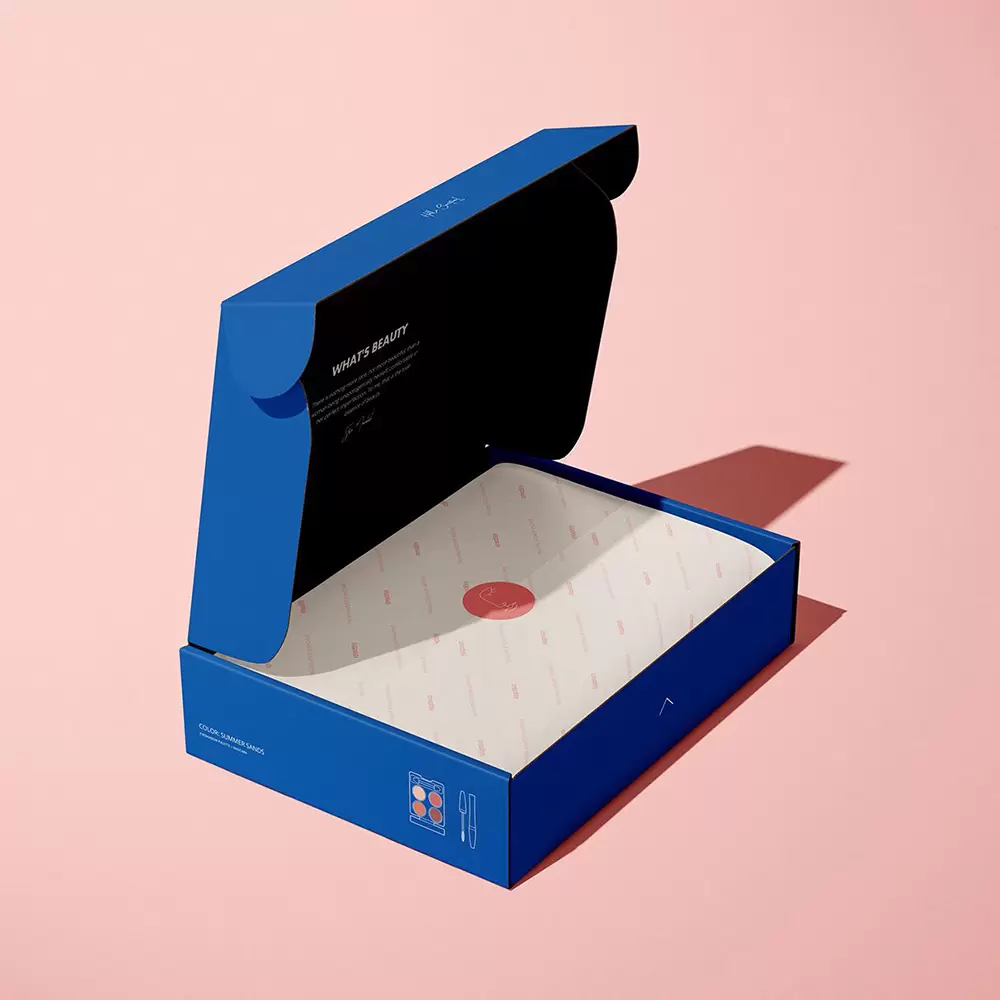
products.

Mailer boxes are often selected for e-commerce because the same structure can serve as
both shipping packaging and brand presentation. Standard shipping boxes are usually
more practical for multiple-unit packing, industrial products and outer cartons.
Comparison Result
Select a mailer box for a direct-to-consumer package where presentation and shipping
are combined. Select a standard shipping box for wholesale, master-carton, export
or industrial distribution.
Magnetic Boxes vs. Lid-and-Base Boxes vs. Drawer Boxes
These three structures frequently belong to the premium packaging category, but their
opening methods and manufacturing considerations are different.
| Comparison factor | Magnetic closure box | Lid-and-base box | Drawer box |
|---|---|---|---|
| Opening method | Hinged or folding lid held by concealed magnets | Separate cover lifted away from lower tray | Inner tray slides out from an outer sleeve |
| Presentation style | Controlled closure and repeated opening | Full product reveal after removing the lid | Progressive product reveal |
| Loading method | Top or front loading depending on structure | Direct top loading | Product loaded into the sliding tray |
| Storage efficiency | Low for rigid versions; moderate for collapsible versions | Low to moderate | Low to moderate |
| Technical sensitivity | Magnet position and lid alignment | Lid-to-base tolerance | Sleeve-to-tray friction and clearance |
| Best applications | Gift sets, apparel, beauty and promotional products | Candles, chocolate, apparel, jewelry and gifts | Jewelry, accessories, cosmetics and confectionery |
| Main limitation | Magnets increase material complexity | Separate lid may loosen if tolerance is incorrect | Drawer movement can be affected by wrapping and humidity |
Magnetic closure box
Magnetic closure boxes provide a recognizable closing action and can support repeated
opening. They are suitable where the package is intended to be retained, displayed or
reused. Their principal material disadvantage is the addition of concealed magnets,
which may complicate material separation.
Lid-and-base box
Lid-and-base boxes are structurally simple and allow direct product loading. The lid can
be shallow or deep, and the internal tray can support a fitted insert. Accurate
dimensional control is required so the lid is neither too loose nor too tight.
Drawer box
Drawer boxes create a staged opening sequence. They are especially effective for small
premium products but require careful testing because sleeve friction can change with
paper thickness, adhesive and environmental conditions.
Comparison Result
Choose magnetic packaging for repeated premium opening, lid-and-base packaging for
simple top loading, and drawer packaging for a progressive reveal and organized
tray presentation.
Tuck-End Boxes vs. Auto-Lock Bottom Boxes
Tuck-end boxes and auto-lock bottom boxes are both folding-carton structures. Their main
difference is the method used to form and support the lower section.
Standard Tuck-End Box
The upper and lower flaps tuck into the box. The structure is efficient,
economical and easy to store.
Best for: Lightweight products with moderate base-load
requirements.
Limitation: A simple tucked base may not be appropriate for a
dense or heavy product.
Auto-Lock Bottom Box
Pre-glued bottom panels automatically interlock when the box is erected,
creating a more stable base.
Best for: Products requiring faster assembly and additional
bottom support.
Limitation: More complex die-cutting and gluing can increase
production cost.
The auto-lock structure may improve packing speed because the base forms as the box is
opened. However, the product weight and bottom construction must still be verified with
a sample.
Display Boxes vs. Individual Retail Cartons
Individual retail cartons package one product or one product set. Display boxes group
several units and present them together on a shelf or counter.
Individual Retail Cartons
- Protect each unit separately
- Provide complete product information
- Can be sold individually
- Support standardized barcode placement
- Require separate shelf arrangement
Caixas de exposição
- Organize several products together
- Create a branded counter or shelf presence
- Can reduce retail setup time
- May convert from a shipping configuration
- Must remain stable as stock decreases
Display packaging is most useful for small, repeated retail units. Its design must
consider product removal because the center of gravity and support pattern change as
products are sold.
Cardboard Tubes vs. Rectangular Boxes
Tubos de cartão
- Distinctive cylindrical appearance
- Suitable for rolled or cylindrical products
- Strong vertical shelf presence
- Can use wrapped or printed surfaces
- Normally occupy more empty-package volume
Rectangular Boxes
- Efficient stacking and pallet arrangement
- Compatible with standard shelves and cartons
- Often supplied flat
- Broad structural and material options
- Less visually distinctive without graphic differentiation
Tubes are appropriate when their geometry supports the product or creates a desired
presentation. Rectangular boxes are generally more efficient for storage, transport and
palletization.
A paper tube should not automatically be described as airtight, moisture-proof or
suitable for direct food contact. These properties depend on the complete
construction, liner, closures and verified application requirements.
Paperboard vs. Corrugated Fiberboard vs. Rigid Board
| Material system | Construction | Main structural characteristic | Printing | Storage | Typical box structures | Main limitation |
|---|---|---|---|---|---|---|
| Paperboard | Relatively thin and stiff paper-based sheet | Foldability and printable surface | High-detail printing potential | Highly efficient when supplied flat | Folding cartons, sleeves, displays and tuck-end boxes | Lower cushioning and load support |
| Corrugated fiberboard | Fluted paper medium bonded between liner sheets | Structural depth, cushioning and compression resistance | Good, depending on liner and printing method | Efficient when flat | Shipping cartons, mailers, trays and partitions | Surface may be less smooth than folding-carton board |
| Rigid board | Dense thick board usually covered with wrapping paper | Dimensional stability | Printing normally applied to wrapping paper | Lower efficiency when fully assembled | Magnetic boxes, drawer boxes and lid-and-base boxes | Higher material, assembly and freight volume |
Comparison by Product Protection
Protective performance depends on more than the box wall. The insert, product
clearance, closure, outer carton and pack-out method all influence the final result.
| Protection requirement | Generally stronger option | Reason | Important qualification |
|---|---|---|---|
| Stacking and warehouse compression | Corrugated shipping box | Fluted structure and box geometry support vertical loads | Board construction and humidity must be considered |
| Premium product positioning | Rigid box with fitted insert | Stable walls and controlled internal geometry | An outer shipping carton may still be necessary |
| Lightweight retail containment | Folding carton | Provides sufficient enclosure with low material volume | Not suitable for every fragile or dense product |
| Parcel-delivery protection | Corrugated mailer or shipping box | Corrugated walls support impact and compression resistance | Empty space and closure security must be controlled |
| Separation of multiple products | Any box with engineered partitions | Partitions prevent product-to-product contact | Partition material must support the actual load |
| Surface scratch protection | Box with tissue, sleeve or non-abrasive insert | Reduces direct contact and rubbing | Material compatibility should be physically tested |
Comparison by Printing and Brand Presentation
Packaging printing is influenced by paper smoothness, absorbency, coating, color,
printing process and surface finishing. The same artwork can appear different on
coated paperboard, natural kraft liner and textured wrapping paper.
Best for Detailed Retail Graphics
Folding cartons often provide smooth surfaces and efficient panel layouts for
product information and high-detail artwork.
Best for Interior E-Commerce Printing
Mailer boxes provide a large inner lid area for instructions, messages and
brand communication.
Best for Premium Surface Finishes
Rigid boxes can use specialty wrapping papers, foil stamping, embossing,
debossing and contrasting interior materials.
Best for Shipping Communication
Corrugated cartons provide visible surfaces for handling marks, barcodes,
product identifiers and simple brand graphics.
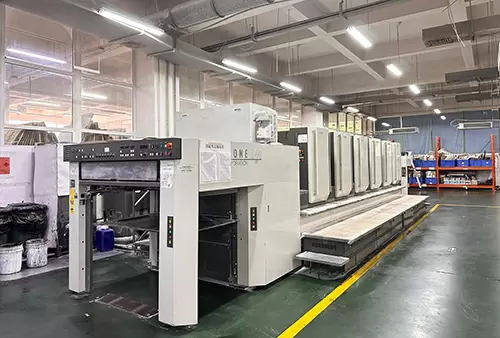
quantity and required finishing.

acceptable tolerances are defined.
Comparison by Storage and Assembly
| Box type | Delivery form | Warehouse efficiency | Assembly complexity | Typical packing implication |
|---|---|---|---|---|
| Folding carton | Flat and side-glued | Very high | Low to moderate | Suitable for high-volume retail filling |
| Tuck-end box | Flat | Very high | Low | Simple manual or automated closing |
| Corrugated shipping carton | Flat | High | Low to moderate | Usually requires tape or another closing method |
| Corrugated mailer | Flat | High | Moderate | More folding panels but integrated locking |
| Traditional rigid box | Fully assembled | Low | Low at buyer’s packing line | Easy product loading but high empty-box volume |
| Collapsible magnetic box | Collapsed | Moderate | Moderate to high | Requires forming and securing corners |
| Drawer box | Assembled or partly assembled | Low to moderate | Moderate | Tray and sleeve must remain correctly oriented |
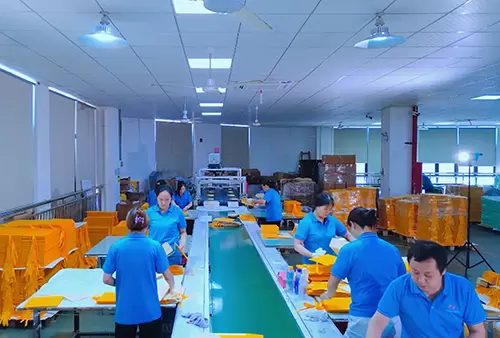
between packaging structures.
Comparison by Total Packaging Cost
Unit box price is only one part of packaging cost. Two boxes with different quotations
may produce very different costs after assembly, storage, shipping and damage are
considered.
Total packaging cost may include:
Box production + insert production + tooling + sampling + assembly labor +
warehouse volume + master-carton cost + shipping volume + damage-related cost +
inspection + material separation.
Folding cartons
Folding cartons often provide lower storage and freight volume before filling. They may
also support fast packing. Additional inserts or shipping cartons can increase total
system cost.
Corrugated boxes
Corrugated boxes may have a higher material volume than lightweight folding cartons but
can reduce damage, void fill and the need for additional shipping components.
Rigid boxes
Rigid boxes generally require more board, wrapping, forming and assembly. Their higher
cost can be commercially justified where presentation, product positioning and
retention value are important.
Mailer boxes
A mailer can reduce the need for separate retail and shipping boxes in suitable
applications. An oversized mailer may instead increase parcel dimensional weight.
Cost Comparison Result
The lowest-priced empty box is not necessarily the lowest-cost packaging system.
Buyers should compare the complete packed and delivered result.
Comparison by Sustainability and Material Recovery
Sustainability comparison requires more than identifying whether the visible material
is paper. Material source, total package weight, transport efficiency, product
protection and local collection systems all influence the result.
| Structure | Potential sustainability advantage | Possible limitation | Improvement direction |
|---|---|---|---|
| Folding carton | Low material volume and efficient flat storage | Windows, films and coatings can complicate recovery | Reduce unnecessary mixed-material components |
| Corrugated box | Broad compatibility with paper-recovery systems | Oversized boxes increase material and transport volume | Right-size the carton and reduce void fill |
| Mailer box | May combine retail and shipping functions | Heavy printing, coatings or excess size may reduce efficiency | Optimize board construction and dimensions |
| Rigid box | Potential for repeated storage or reuse | High material volume and complex wrapping | Use paper-based inserts and reduce decorative components |
| Magnetic box | Durable and potentially reusable | Magnets create mixed-material construction | Design for material separation where practical |
| Cardboard tube | Primarily paper-based cylindrical structure | End caps, liners and coatings may use other materials | Clarify component composition and local recovery options |
FSC certification and recycled content are separate attributes. FSC concerns
responsible forest management and chain-of-custody control, while recycled content
concerns recovered fiber used in the material.
Comparison by Product Industry
| Industry | Common first choice | Alternative structure | Reason for selection | Main risk to verify |
|---|---|---|---|---|
| Cosmetics and perfume | Folding carton | Rigid, drawer or magnetic box | Printing, information and presentation | Bottle weight, glass protection and insert fit |
| Jewelry | Drawer or lid-and-base box | Magnetic box | Product positioning and controlled opening | Insert pressure and surface scratching |
| Apparel | Mailer box | Rigid or magnetic box | E-commerce delivery or premium gift presentation | Garment folding dimensions and return handling |
| Electronics | Corrugated outer carton | Rigid or folding inner box | Movement control and transport protection | Accessory organization and impact risk |
| Food-related outer packaging | Folding carton | Display or corrugated box | Information, retail display and distribution | Direct food-contact and barrier requirements |
| E-commerce | Corrugated mailer | Standard corrugated shipping carton | Parcel protection and branded opening | Empty space, closure and dimensional weight |
| Wine and beverage presentation | Rigid box or tube | Corrugated carton with partitions | Presentation and bottle organization | Glass protection and concentrated weight |
| Counter retail products | Display box | Individual tuck-end cartons | Visibility and organization | Stability as product quantity decreases |
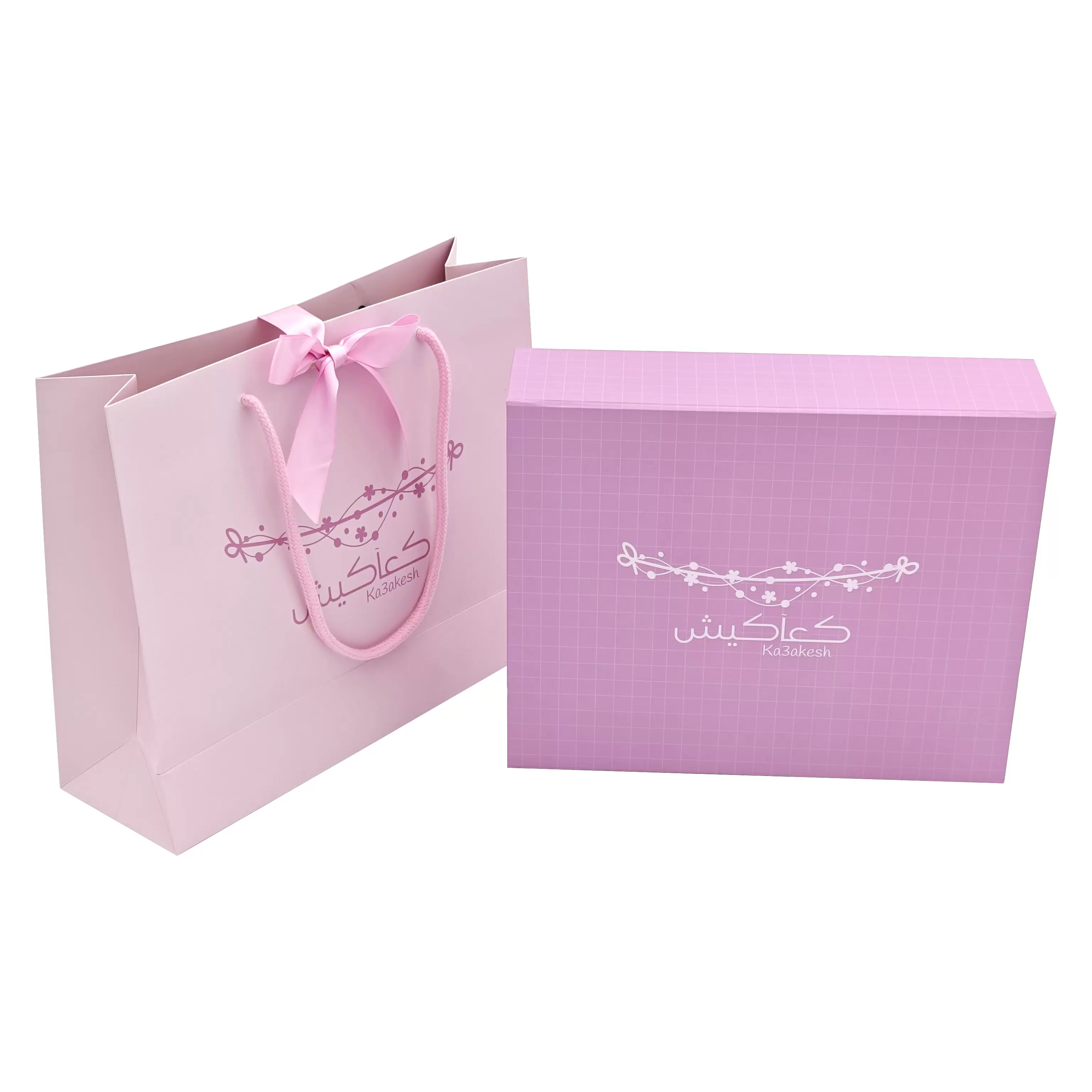
separate shipping carton.
How Inserts Change the Comparison
A box should not be evaluated separately from its internal support. Inserts can
substantially improve product positioning and protection, but they also add material,
cost and assembly.
Paperboard Inserts
Lightweight and printable, suitable for organizing small products and creating
raised platforms.
Corrugated Inserts
Provide structural depth, partitions and load distribution for transportation
packaging.
Wrapped Rigid Trays
Provide stable premium presentation but increase material and assembly
complexity.
Multi-Cavity Inserts
Organize several products, accessories or gift-set components in a defined
arrangement.
Insert selection should be based on product weight, vulnerable areas, removal method
and permitted contact surfaces. A decorative insert that does not control movement
cannot be treated as protective packaging.
Why Packaging Samples Are Necessary for Accurate Comparison
Photographs and digital renderings cannot reveal all structural differences between
packaging boxes. A physical sample is required to assess fit, stiffness, closure,
friction, assembly and material behavior.
Sample comparison should include:
- Internal and external dimensions
- Product clearance
- Insert fit and pressure
- Bottom and closure strength
- Lid opening resistance
- Drawer friction
- Folding and locking sequence
- Product loading and removal
- Artwork position
- Color and surface finishing

production tooling and mass printing.
Packaging Selection Decision Matrix
| Dominant requirement | Recommended first option | Alternative option | Reason |
|---|---|---|---|
| Maximum flat-storage efficiency | Folding carton | Tuck-end box | Thin paperboard and collapsed delivery form |
| Shipping and stacking | Corrugated shipping box | Reinforced corrugated mailer | Fluted structure and broad board options |
| Direct-to-consumer unboxing | Corrugated mailer box | Rigid inner box plus outer carton | Combines parcel function and presentation |
| Premium gift presentation | Magnetic closure box | Lid-and-base rigid box | Controlled opening and substantial structure |
| Progressive product reveal | Drawer box | Magnetic box | Sliding tray controls the opening sequence |
| Simple top loading | Lid-and-base box | Rigid magnetic box | Separate lid provides unrestricted access |
| High-volume printed retail package | Folding carton | Tuck-end box | Printing efficiency and flat storage |
| Counter display | Display box | Retail cartons in a separate tray | Organizes several products in one visible unit |
| Rolled or cylindrical product | Cardboard tube | Rectangular box with supports | Tube geometry can match the product form |
Step-by-Step Method for Comparing Packaging Quotations
-
Confirm that the quotations use the same dimensions.
Internal and external dimensions must not be confused. -
Confirm the material construction.
Terms such as cardboard, kraft and rigid box are too broad without thickness,
board construction and wrapping details. -
Confirm the box structure.
A tuck-end carton, auto-lock carton and rigid box require different materials and
assembly processes. -
Confirm the insert.
Quotations are not equivalent if one includes a fitted insert and another includes
only an empty box. -
Confirm printing and finishing.
Color quantity, foil, embossing, spot UV, texture and interior printing affect cost. -
Confirm delivery form.
Flat-packed and fully assembled boxes create different freight and storage costs. -
Confirm export packing.
The number of boxes per carton and carton dimensions influence freight volume. -
Compare physical samples.
Final comparison should include fit, assembly, appearance and structural behavior.
Common Errors When Comparing Packaging Boxes
Comparing Only Unit Price
This ignores inserts, labor, storage, shipping volume and potential damage.
Using Material Names Without Specifications
Paperboard, corrugated board and rigid board include many different
constructions.
Ignoring Internal Dimensions
Two boxes with the same external size may provide different usable product
space.
Confusing Retail and Shipping Packaging
A decorative retail box may not be suitable for direct parcel handling.
Comparing Renderings Instead of Samples
Digital images cannot confirm stiffness, closure force, friction or product fit.
Ignoring Assembly Time
A lower-cost box can become more expensive if packing requires additional
manual operations.
How HENGXING Supports Packaging Box Comparison
Xiamen Hengxing Color Printing Co., Ltd. supports project-based development of folding
cartons, rigid gift boxes, magnetic closure boxes, drawer boxes, lid-and-base boxes,
corrugated mailer boxes, cardboard tubes, paper bags and packaging accessories.
The company was established in 1995 in Xiamen, Fujian, China and has more than 30 years
of color printing and custom paper packaging experience. Confirmed company information
includes OEM and ODM services and FSC, ISO 9001 and SA8000 certifications.
Project support includes structural prototyping, printing, surface finishing, box
forming, assembly, inspection and export packing. Custom options may include size,
structure, material direction, colors, logos, inserts, handles, ribbons and decorative
finishing.
Buyers can review
custom packaging solutions,
types of packaging boxes
and
how to choose packaging boxes.
Frequently Asked Questions About Packaging Box Comparisons
What is the main difference between folding cartons and corrugated boxes?
Folding cartons use relatively thin printable paperboard and are commonly used for
retail packaging. Corrugated boxes use a fluted medium between liner sheets and
generally provide greater structural depth and shipping protection.
Are rigid boxes stronger than corrugated boxes?
Rigid boxes provide dimensional stability and premium presentation, but properly
specified corrugated boxes generally provide stronger transportation, cushioning
and stacking performance. The two structures serve different functions.
What is the difference between a mailer box and a shipping box?
A mailer box normally uses a hinged lid and integrated locking panels, providing a
presentation-oriented opening. A standard shipping box often uses opposing flaps
closed with tape and is more common for wholesale and outer-carton use.
What is the difference between a magnetic box and a lid-and-base box?
A magnetic box uses a hinged or folding lid held closed by magnets. A lid-and-base
box uses two separate pieces, with the lid lifted away from the lower tray.
What is the difference between a drawer box and a lid-and-base box?
A drawer box reveals the product by sliding a tray from a sleeve. A lid-and-base box
reveals the product after the separate top cover is removed.
Which box is best for luxury packaging?
Rigid magnetic, drawer and lid-and-base boxes are common luxury structures. The
best option depends on the desired opening sequence, product weight, insert design,
storage and shipping requirements.
Which packaging box is best for e-commerce?
Corrugated mailer boxes are commonly used for e-commerce because they combine parcel
protection and branded opening. Standard corrugated cartons may be more appropriate
for heavier or wholesale shipments.
Which packaging box is cheapest?
There is no universally cheapest structure. Cost depends on dimensions, quantity,
material, printing, finishing, inserts, assembly and export packing. Folding cartons
are often efficient for lightweight high-volume retail products.
Which packaging box takes the least storage space?
Folding cartons and tuck-end boxes usually provide the highest empty-package
storage efficiency because they are supplied flat. Standard corrugated boxes can
also be stored flat.
Do rigid boxes need outer shipping cartons?
Frequently, yes. Rigid boxes may provide excellent presentation but remain
vulnerable to labels, abrasion, moisture and parcel handling. A corrugated outer
carton may be required.
Are mailer boxes stronger than folding cartons?
Corrugated mailers generally provide more structural depth and cushioning than
lightweight folding cartons. The actual result depends on board construction,
dimensions and product weight.
Are magnetic boxes recyclable?
Their recyclability depends on the complete construction and local recovery system.
Concealed magnets, films, adhesives and inserts may require separation or affect
processing.
Does FSC certification mean the material is recycled?
No. FSC certification concerns responsible forest management and chain-of-custody
controls. Recycled content concerns recovered fiber used in the material.
Why is a packaging sample necessary for comparison?
A sample allows the buyer to compare product fit, stiffness, closure force, lid
tolerance, drawer friction, insert pressure, assembly, printing and finishing.
What information is required to compare packaging quotations?
Confirm box dimensions, product weight, quantity, structure, material, printing,
finishing, insert, delivery form, export packing, destination and sample
requirements.
Conclusion
Packaging boxes differ because they solve different combinations of containment,
protection, logistics, communication and presentation requirements. Their performance
cannot be evaluated from appearance or material name alone.
Folding cartons provide efficient retail printing and flat storage. Corrugated boxes
provide stronger shipping and stacking performance. Mailer boxes combine e-commerce
protection with branded opening, while rigid boxes provide premium presentation and
structural stability.
Magnetic boxes, drawer boxes and lid-and-base boxes should be selected according to the
desired opening sequence. Display boxes support point-of-purchase organization, while
cardboard tubes serve cylindrical and presentation-specific applications.
The academically appropriate method is to compare each structure against the actual
product, packed weight, distribution channel, storage system, printing requirements,
assembly process and end-of-life considerations.
The correct packaging box is not the structure with the greatest thickness or highest
visual complexity. It is the structure that delivers the required functional
performance with appropriate material, cost, space and production complexity.
Compare Packaging Structures for a Specific Product
Provide the product dimensions, packed weight, order quantity, preferred box
styles, artwork, surface finishing, insert requirements, sales channel, shipping
method and destination country for a project-specific comparison.
Contact HENGXING for custom packaging development
covering folding cartons, rigid boxes, magnetic boxes, drawer boxes, lid-and-base
boxes, mailer boxes, cardboard tubes, paper bags and protective inserts.
Need Custom Eco-Friendly Packaging Boxes for Your Project?
Get factory-direct pricing and technical support from our experts within 24 hours.
Request a Quick Quote