
Top 10 Packaging Boxes Ranked
Top 10 Packaging Boxes: An Academic Ranking by Protection, Versatility and Supply-Chain Performance
This ranking compares ten widely used packaging box structures according to
protection, logistics efficiency, application breadth, branding capacity,
customization, assembly, storage, presentation and compatibility with paper-based
material recovery systems.
Quick answer: Corrugated shipping boxes rank first for overall
supply-chain utility, followed by folding cartons and corrugated mailer boxes.
Rigid setup boxes, magnetic closure boxes, lid-and-base boxes and drawer boxes
rank highly for premium presentation. Tuck-end cartons, display boxes and
cardboard tubes remain important specialized structures but serve narrower
application ranges.
storage, customization and manufacturing complexity.
Ranking qualification: There is no universally recognized official
ranking of packaging box structures. The results below are an editorial academic
model based on defined functional criteria. They do not represent worldwide sales
volume, manufacturer revenue or a claim that one structure is best for every
product.
Packaging boxes cannot be ranked scientifically through appearance alone. A rigid
magnetic gift box may outperform a corrugated shipping case in presentation, while the
corrugated case performs more effectively in transportation and stacking. A folding
carton may provide superior storage efficiency, but it usually offers less impact
resistance than a properly specified corrugated box.
The academically meaningful question is therefore not simply, “Which packaging box is
the best?” The more useful question is, “Which structure provides the strongest overall
performance across a defined set of functions?”
Key Findings
- Corrugated shipping boxes provide the highest overall logistics utility.
- Folding cartons offer the strongest balance of printing and flat storage.
- Mailer boxes combine parcel protection with branded unboxing.
- Rigid boxes provide dimensional stability and premium presentation.
- Magnetic boxes rank highly for controlled opening and gift packaging.
- Lid-and-base boxes offer simple loading and clean product presentation.
- Drawer boxes create a progressive product reveal.
- Tuck-end cartons support efficient retail packing.
- Display boxes provide point-of-purchase organization.
- Cardboard tubes offer distinctive cylindrical presentation.
How the Packaging Box Ranking Was Calculated
The ranking uses a weighted multi-criteria model. Each box structure is evaluated on a
100-point scale. The final number is not an engineering test result; it is a comparative
decision score intended to show how broadly each structure can perform across common
commercial packaging requirements.
Weighted Evaluation Criteria
Product Protection — 20 Points
Ability to control movement, provide cushioning, distribute load and
protect the product during ordinary storage and handling.
Application Breadth — 15 Points
Suitability across different products, industries, weights and distribution
channels.
Logistics Efficiency — 15 Points
Compatibility with stacking, shipping, palletization, labeling and
warehouse distribution.
Printing and Branding — 15 Points
Availability of printable surfaces and compatibility with visual
communication and finishing.
Customization — 10 Points
Ability to modify size, closure, inserts, dividers, windows, handles and
opening behavior.
Storage and Assembly — 10 Points
Flat-packing potential, warehouse efficiency and ease of erection or
product loading.
Presentation — 10 Points
Ability to create a controlled retail display, premium appearance or
unboxing sequence.
Material Recovery Potential — 5 Points
Potential compatibility with paper-recovery systems when unnecessary
mixed-material components are avoided.
The ranking follows common commercial purchasing terminology rather than a perfectly
separate scientific taxonomy. For example, tuck-end boxes are a subtype of folding
cartons, while magnetic, drawer and lid-and-base boxes may belong to the broader rigid
box family. They are evaluated separately because buyers frequently purchase and search
for them as distinct packaging structures.
Overall Packaging Box Ranking
| Rank | Packaging box structure | Overall score | Primary strength | Best applications | Storage efficiency | Presentation level | Main limitation |
|---|---|---|---|---|---|---|---|
| 1 | Corrugated shipping box | 93/100 | Protection and logistics | Shipping, export, wholesale and industrial distribution | High when supplied flat | Low to moderate | May require additional retail packaging |
| 2 | Folding carton | 90/100 | Printing and storage efficiency | Retail products, cosmetics, food outer packaging and accessories | Very high | Moderate to high | Limited protection for fragile or heavy products |
| 3 | Corrugated mailer box | 87/100 | Combined shipping and unboxing | E-commerce, subscriptions, apparel and promotional kits | High | Moderate to high | Not suitable for every heavy or highly fragile product |
| 4 | Rigid setup box | 82/100 | Stability and premium presentation | Jewelry, gifts, perfume, cosmetics and electronics | Low for non-collapsible structures | Very high | Higher storage and freight volume |
| 5 | Magnetic closure box | 80/100 | Controlled premium opening | Gift sets, apparel, cosmetics and promotional packaging | Moderate for collapsible versions | Very high | Magnets add material complexity |
| 6 | Lid-and-base box | 78/100 | Simple loading and clean presentation | Apparel, chocolate, candles, jewelry and gifts | Moderate to low | High | Lid fit requires accurate tolerance |
| 7 | Drawer box | 76/100 | Progressive product reveal | Jewelry, cosmetics, accessories and confectionery | Moderate | High | Drawer friction requires careful sampling |
| 8 | Tuck-end box | 74/100 | Efficient retail packing | Personal care, cosmetics and small consumer products | Very high | Moderate | Closure is not automatically tamper-evident |
| 9 | Display box | 71/100 | Point-of-purchase organization | Counter products, samples and retail units | Moderate to high | High at retail | Stability changes as products are removed |
| 10 | Cardboard tube packaging | 67/100 | Distinctive cylindrical presentation | Rolled products, gifts, tea outer packaging and wine presentation | Low | High and distinctive | Not flat-packed or automatically airtight |
Detailed Top 10 Packaging Box Ranking
段ボール製配送用箱
Highest overall score for protection, transport and broad industrial use
Overall Score
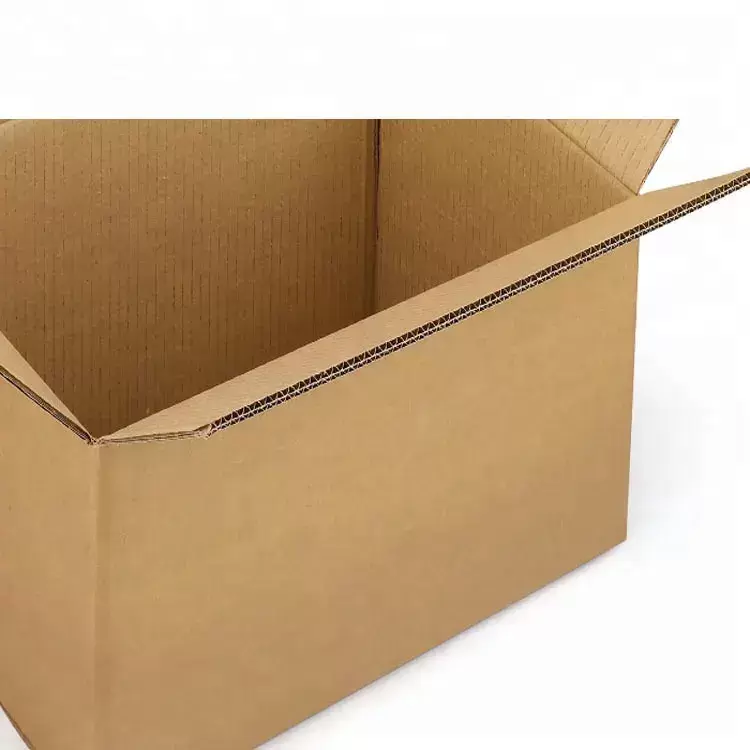
Corrugated shipping boxes rank first because they provide the strongest overall
combination of protective performance, logistics compatibility, structural
customization, flat storage and application breadth.
Corrugated fiberboard generally combines one or more fluted paper layers with
flat liner sheets. The fluted structure creates depth and can improve
cushioning, compression resistance and stacking performance.
Corrugated boxes can be manufactured as regular shipping cases, die-cut
mailers, trays, retail-ready packaging, partitions and heavy-duty transport
structures. They can also carry printed handling information, branding,
barcodes and shipping labels.
Strong balance between protection, flat storage, stacking and transportation.
E-commerce, wholesale distribution, export cartons, industrial products and
master packs.
Performance depends on board construction, dimensions, packed weight,
humidity and stacking conditions.
A corrugated box does not automatically provide premium retail presentation.
Many products therefore use a decorative inner box inside a corrugated outer
shipping carton.
cushioning, structural depth and transport efficiency.
Folding Cartons
Best overall balance of printing, retail presentation and flat storage
Overall Score
Folding cartons rank second because they are highly adaptable, lightweight,
printable and efficient to store before product filling. They are used across
cosmetics, personal care, confectionery, candles, accessories and many other
consumer-product categories.
A folding carton is normally printed, die-cut, creased and glued along one side.
It can then be delivered flat and erected manually or through automated packing
equipment.
Folding cartons provide broad exterior and interior surfaces for brand
communication. They are compatible with foil stamping, spot UV, embossing,
debossing, windows and paperboard inserts.
Excellent flat storage and printable surface efficiency.
Lightweight consumer products requiring shelf communication and brand
presentation.
Fragile, dense or heavy products may require reinforcement, inserts or an
outer corrugated carton.
Folding cartons score slightly below corrugated shipping boxes because their
protective performance is generally lower under demanding transportation
conditions.

efficient flat storage.
Corrugated Mailer Boxes
Best combined structure for e-commerce shipping and branded unboxing
Overall Score
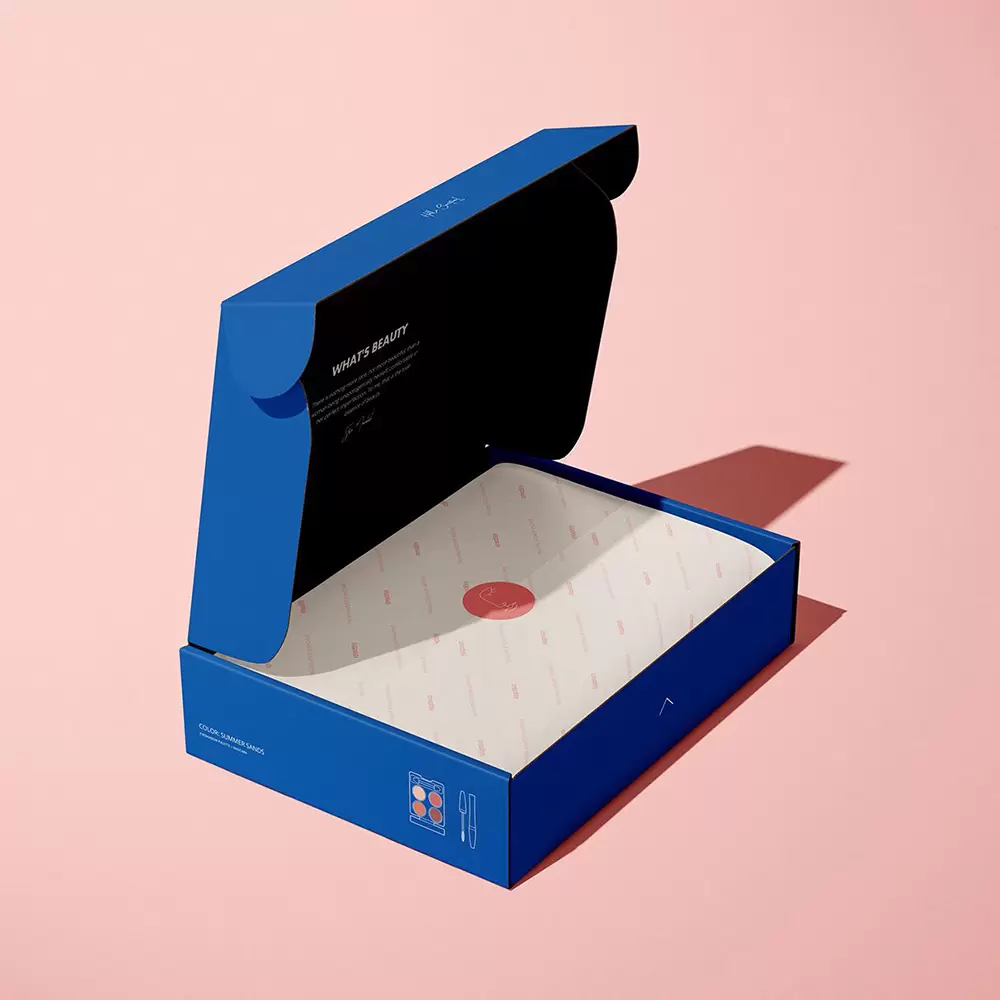
Corrugated mailer boxes rank third because they combine elements of transport
packaging with a presentation-oriented hinged lid. This makes them highly
relevant to e-commerce, subscription programs, apparel, cosmetics and
promotional kits.
A mailer box commonly uses integrated locking panels rather than the taped
slotted flaps found on standard shipping cases. Interior panels can carry
printing, instructions or brand communication.
The structure can sometimes replace the need for both a separate retail box and
shipping carton. Whether this is appropriate depends on product fragility,
weight, closure security and courier conditions.
Combines parcel handling with an organized opening experience.
Direct-to-consumer products, apparel, subscriptions, accessories and gift
kits.
Heavy, highly fragile or moisture-sensitive products may require additional
protection.

distribution.
Rigid Setup Boxes
Highest-ranked general structure for dimensional stability and premium presentation
Overall Score
Rigid setup boxes rank fourth because they provide stable geometry, substantial
surface quality and strong compatibility with fitted presentation inserts.
A conventional rigid box uses thick board as its structural core and printed,
colored or textured paper as the outer wrap. Unlike folding cartons, most rigid
boxes are delivered already formed.
Rigid boxes are frequently selected for jewelry, perfume, cosmetics, consumer
electronics, premium gifts and product collections. They can support foil,
embossing, ribbons, interior printing and complex insert systems.
High dimensional stability and premium hand feel.
High-value products, gifts, cosmetics, jewelry and presentation sets.
Non-collapsible rigid boxes occupy greater storage and transportation volume.
Rigid boxes rank below mailers and folding cartons in overall utility because
their storage, freight and assembly efficiency are generally lower.
マグネット式開閉ボックス
Strongest ranking for controlled premium opening and gift presentation
Overall Score
Magnetic closure boxes rank fifth because their concealed magnets create a
controlled and repeatable closing action. The structure is commonly associated
with gifts, apparel, cosmetics, promotional kits and premium product sets.
Magnetic boxes may be fully rigid or collapsible. Collapsible versions can
reduce storage volume, although they normally require additional assembly and
adhesive components.
Distinctive opening movement and strong premium presentation.
Gift boxes, clothing sets, cosmetics, technology accessories and
promotional collections.
Magnets add weight, material complexity and possible recycling separation
requirements.
Magnetic packaging should not automatically be described as environmentally
preferable simply because the exterior is paper-based. The complete
construction must be evaluated.
Lid-and-Base Boxes
Best two-piece structure for clean presentation and straightforward loading
Overall Score
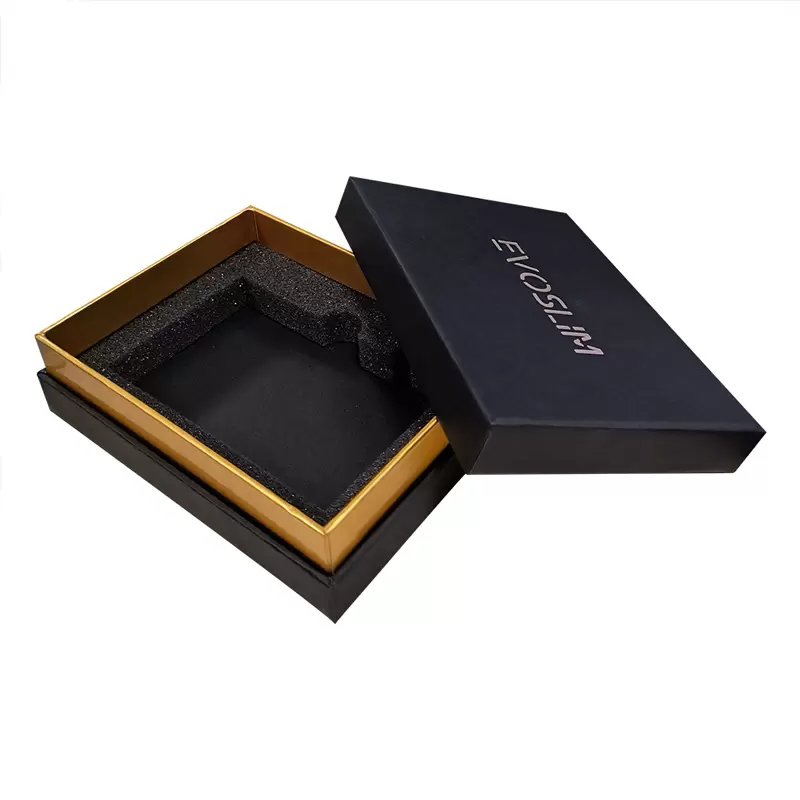
Lid-and-base boxes rank sixth because their separate upper cover and lower tray
provide a simple, familiar and visually clean structure. They may be produced
from rigid wrapped board or folding paperboard.
The structure is particularly useful where the product needs to be loaded from
above or where the complete contents should be revealed after removing the lid.
Straightforward loading and a clear product reveal.
Apparel, candles, jewelry, confectionery, gift sets and premium retail goods.
The dimensional relationship between lid and base must be sampled carefully.
presentation.
Drawer Boxes
Best structure for progressive reveal and organized premium presentation
Overall Score
Drawer boxes rank seventh because the sliding tray creates a progressive
opening sequence. The outer sleeve frames the product while the tray is removed,
making this structure useful for jewelry, cosmetics, candles, accessories and
confectionery.
A drawer may be opened through a ribbon pull, exposed tray edge or thumb notch.
The internal tray can contain fitted inserts or several compartments.
Controlled sliding movement and organized product reveal.
Jewelry, cosmetics, small gifts, accessories and confectionery.
Excessive sleeve friction or excessive clearance can reduce usability and
perceived quality.
Physical sampling is especially important for drawer boxes because wrapping
paper thickness, insert pressure and humidity can affect movement.
Tuck-End Boxes
Efficient folding-carton subtype for rapid retail packing
Overall Score
Tuck-end boxes rank eighth because they are simple, economical in material use,
highly printable and efficient to store. Straight tuck-end and reverse tuck-end
structures are widely used for cosmetics, personal-care items, small
electronics and lightweight consumer products.
Tuck flaps allow the package to be opened and closed without a permanent top
adhesive. The structure can also be modified with locking tabs, windows,
inserts and additional bottom support.
Efficient flat storage, erection and retail packing.
Lightweight rectangular products and high-volume retail cartons.
A standard tuck closure is not automatically tamper-evident or suitable for
heavy loads.
ディスプレイボックス
Best structure for point-of-purchase organization and product visibility
Overall Score
Display boxes rank ninth because their primary advantage is concentrated within
a specific environment: retail shelves, counters and point-of-purchase displays.
A display box may hold multiple individual products, include a printed header
or convert from a closed shipping configuration into an open presentation tray.
Organizes several retail units and increases brand visibility.
Samples, confectionery, cosmetics, accessories and counter-sale products.
Stability and appearance may change as individual products are removed.
Display boxes score below general retail cartons because their function is more
specialized and their transportation role varies greatly by structure.
Cardboard Tube Packaging
Best structure for distinctive cylindrical presentation
Overall Score
Cardboard tubes rank tenth because they provide a recognizable cylindrical
structure and strong vertical shelf presence but have a narrower application
range than rectangular boxes.
Tubes are manufactured from wound paper layers and may use separate paper,
metal, plastic or other end components. The visible surface can be printed,
labeled or wrapped with decorative paper.
Distinctive shape and compatibility with rolled or cylindrical products.
Rolled products, gifts, tea outer packaging, apparel accessories and wine
presentation.
Tubes do not normally flat-pack and should not be assumed to be airtight or
suitable for direct food contact.
Which Packaging Box Ranks First for Each Specific Purpose?
The overall ranking favors broad utility, but buyers often have one dominant objective.
A different structure may rank first when the evaluation is limited to a particular
purpose.
| Packaging objective | Highest-ranked structure | Reason | Important qualification |
|---|---|---|---|
| International shipping | Corrugated shipping box | Strong balance of protection, stacking and pallet efficiency | Board construction must match weight and handling |
| Retail printing | Folding carton | Large printable panels and efficient flat storage | May require protective outer packaging |
| E-commerce unboxing | Corrugated mailer box | Combines parcel handling with interior branding | Not ideal for every heavy product |
| Luxury presentation | Rigid setup box | Dimensional stability and premium wrapped surfaces | Requires more storage and freight volume |
| Gift-box opening | Magnetic closure box | Controlled closure and repeated opening action | Magnets add material complexity |
| Simple premium loading | Lid-and-base box | Separate lid allows direct top loading | Fit tolerance must be controlled |
| Product reveal | Drawer box | Sliding tray creates a progressive presentation | Drawer movement requires sampling |
| High-volume retail filling | Tuck-end box | Simple erection and closing | Closure strength varies by design |
| Counter display | Display box | Organizes several units at the point of sale | Must remain stable as stock decreases |
| Cylindrical presentation | Cardboard tube | Matches rolled or cylindrical products | Lower flat-storage efficiency |
Why the Highest-Ranked Box Is Not Always the Correct Box
Corrugated shipping boxes rank first overall, but that does not mean they should replace
every folding carton, rigid box or tube. The ranking reflects broad functional utility,
not universal superiority.
A jewelry product may require a drawer box because presentation and insert fit are more
important than pallet efficiency. A small cosmetic product may require a folding
carton because printing, shelf dimensions and automated filling are more important than
transport cushioning.
The correct packaging structure is the highest-performing option for the specific
product and distribution system, not necessarily the structure with the highest general
ranking.
How Product Characteristics Can Change the Ranking
Heavy Product
Corrugated boxes and reinforced rigid structures move upward because base
strength and load distribution become more important.
Fragile Glass Product
Boxes with fitted inserts and corrugated outer protection become more suitable.
Luxury Gift
Magnetic, drawer and lid-and-base boxes move upward because presentation
becomes a major criterion.
High-Volume Retail Product
Folding cartons and tuck-end boxes move upward because storage, printing and
packing efficiency become dominant.
E-Commerce Apparel
Mailer boxes move upward because they can combine shipping and branded opening.
Rolled Product
Cardboard tubes move upward because their geometry matches the product form.
Role of Printing and Surface Finishing in the Ranking
Printing and finishing improve the visual and communication performance of packaging,
but they do not automatically improve protection or logistics.
Common finishing options include:
- Custom color printing
- Gold or silver foil stamping
- スポットUV
- エンボス加工
- デボス加工
- Textured paper
- Matte surface treatment
- Interior printing
- Ribbons and handles
- Contrasting inner and outer colors
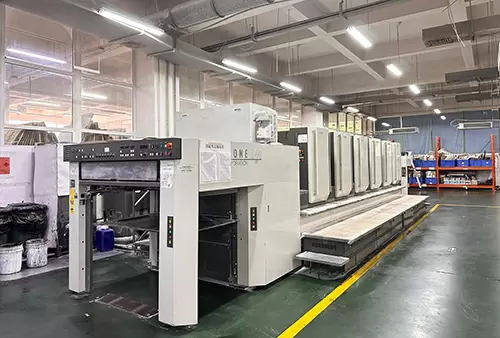
still depends on material and box design.
The selected paper affects color, foil coverage, embossing depth and surface appearance.
Finishing should therefore be evaluated on the actual material rather than through a
digital rendering alone.

tolerances and viewing conditions are defined.
Why Physical Samples Are Required Before Final Selection
A ranking can identify likely structures, but it cannot prove that a selected box fits
the actual product. Packaging behavior depends on physical details that cannot be fully
evaluated from photographs or digital artwork.
A sample should be used to evaluate:
- Internal dimensions
- Product clearance
- Insert pressure
- Closure security
- Drawer friction
- Lid fit
- Folding sequence
- Loading and removal
- Artwork position
- Color and finishing

mass production.
Packaging Ranking by Industry
| Industry | First-choice structure | Alternative structure | Reason | Important risk |
|---|---|---|---|---|
| Cosmetics | Folding carton | Rigid or magnetic box | Printing, product information and retail presentation | Glass products may require inserts |
| Jewelry | Drawer box | Lid-and-base box | Product positioning and controlled reveal | Insert contact may scratch the product |
| Apparel | Mailer box | Magnetic or lid-and-base box | E-commerce shipping or premium gifting | Box dimensions depend on garment folding |
| Electronics | Corrugated outer box | Rigid inner box | Movement control and transport protection | Accessories require organized inserts |
| Food-related outer packaging | Folding carton | Display box | Information, branding and shelf organization | Direct food-contact requirements need separate verification |
| E-commerce | Corrugated mailer | Corrugated shipping box | Protection, labeling and branded unboxing | Oversizing increases dimensional weight |
| Premium gifts | Magnetic box | Rigid lid-and-base box | Opening experience and visual presentation | Decorative box may need a shipping carton |
| Retail counters | Display box | Tuck-end cartons | Product organization and visibility | Display stability changes with stock level |
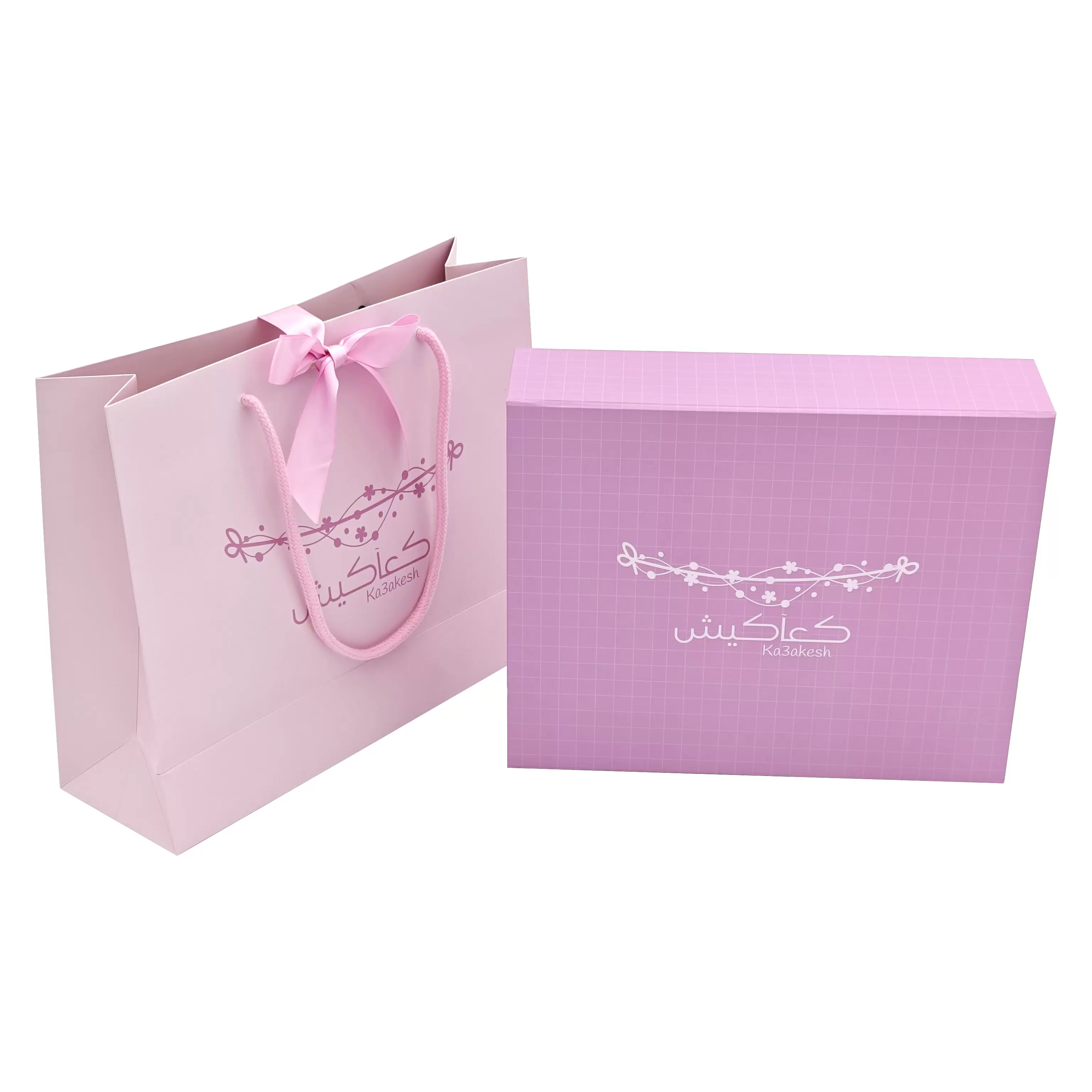
bag and separate transport protection.
Sustainability Considerations in the Ranking
Paperboard and corrugated packaging can be compatible with established fiber-recovery
systems, but environmental performance cannot be determined from paper appearance
alone.
Relevant considerations include:
- Total material weight
- Product-to-package ratio
- Use of recycled fiber
- FSC-certified sourcing where specified
- Flat-packing and transport volume
- Plastic films and windows
- Magnetic components
- Foam or mixed-material inserts
- Adhesives and surface coatings
- Local collection and recycling systems
Folding cartons and corrugated boxes score well for material recovery potential because
they can often be produced primarily from paper-based materials. Magnetic and some
luxury rigid structures score lower because added components can make separation more
complicated.
Academic sustainability qualification: Packaging should not be
reduced to the point that product damage increases. Damaged products, replacement
shipments and repeated transportation can offset material savings.
How to Use the Ranking for a Purchasing Decision
-
Define the product. Record dimensions, packed weight, surface
sensitivity, fragility and required orientation. -
Define the distribution channel. Identify whether the product will
be sold through retail, e-commerce, wholesale distribution or export. -
Select the dominant objective. Determine whether protection,
presentation, storage efficiency, packing speed or shipping performance is most
important. -
Select two or three candidate structures. Do not commit to one box
from an image alone. -
Compare total packaging cost. Include inserts, assembly, storage,
transport volume, outer cartons and potential damage. -
Produce a structural sample. Confirm dimensions, fit, opening,
closing and product removal. -
Confirm artwork and finishing. Evaluate printing and decorative
treatments on the selected material.
Buyers can review the related
packaging box definition,
packaging box types,
advantages of packaging boxes
and
packaging selection guide.
How HENGXING Supports Different Packaging Box Structures
Xiamen Hengxing Color Printing Co., Ltd. supports project-based development of custom
paper packaging, including folding cartons, rigid boxes, magnetic closure boxes,
drawer boxes, lid-and-base boxes, corrugated mailers, paper tubes, paper bags and
packaging accessories.
HENGXING was established in 1995 in Xiamen, Fujian, China and has more than 30 years of
color printing and custom paper packaging experience. The company supports OEM and ODM
projects and holds FSC, ISO 9001 and SA8000 certifications.
Confirmed project support includes structural prototyping, custom printing, surface
finishing, assembly, packaging inspection and export support. Custom options may
include dimensions, structures, colors, logos, paper materials, inserts, handles,
ribbons and decorative finishes.
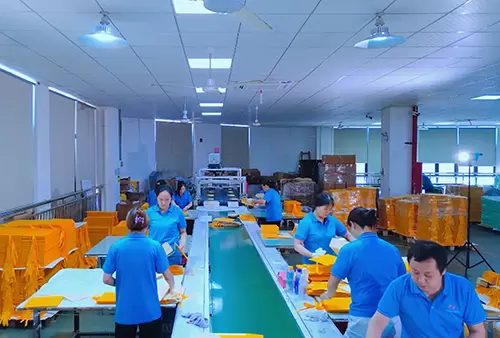
evaluated together with the selected box structure.
Buyers can review
custom packaging solutions
or submit complete product information through the
custom packaging inquiry page.
Frequently Asked Questions About Packaging Box Rankings
What is the best packaging box overall?
Corrugated shipping boxes rank first in this model because they provide the
strongest overall balance of protection, application breadth, logistics efficiency
and flat storage. They are not the best choice for every premium retail or gift
application.
Is this an official worldwide packaging box ranking?
No. No international authority publishes a universal ranking covering all
packaging box structures. This article uses a transparent multi-criteria editorial
model rather than worldwide sales or production data.
Which packaging box is best for shipping?
A properly specified corrugated shipping box is generally the strongest choice for
shipping, stacking and wholesale distribution. Board construction must be selected
according to product weight, dimensions and handling conditions.
Which packaging box is best for retail products?
Folding cartons and tuck-end boxes are widely suitable for lightweight retail
products because they provide large printable surfaces and efficient flat storage.
Which packaging box is best for e-commerce?
Corrugated mailer boxes rank highly for e-commerce because they can combine parcel
protection with interior printing and a branded opening experience.
Which packaging box is best for luxury products?
Rigid setup boxes, magnetic closure boxes, drawer boxes and lid-and-base boxes are
common luxury packaging structures. The best option depends on the desired opening
sequence, product weight, insert and transportation requirements.
Why do folding cartons rank above rigid boxes?
Folding cartons rank higher in overall utility because they provide efficient flat
storage, broad printing capability, relatively low material weight and suitability
for many retail products. Rigid boxes rank higher specifically for premium
presentation.
Why are magnetic boxes not ranked first for luxury packaging?
Magnetic boxes may rank first for a particular gift or luxury project, but their
magnets, material complexity, storage requirements and narrower application range
reduce their general-purpose score.
What is the advantage of drawer boxes?
Drawer boxes create a progressive product reveal and can organize products with
fitted inserts. Their main technical challenge is controlling the fit between the
outer sleeve and inner tray.
What is the advantage of lid-and-base boxes?
Lid-and-base boxes provide simple top loading, clean presentation and a clear
product reveal. Their lid and base dimensions must be calibrated carefully.
Are cardboard tubes better than rectangular boxes?
Cardboard tubes are better for some rolled, cylindrical or presentation-focused
products. Rectangular boxes generally rank higher for storage, stacking and
transport efficiency.
Are paper packaging boxes recyclable?
Many paperboard and corrugated structures may be compatible with paper-recovery
systems, but coatings, magnets, films, windows, foam, adhesives and local
collection systems affect the completed package.
Does FSC certification mean the paper is recycled?
No. FSC certification concerns responsible forest management and chain-of-custody
control. Recycled content concerns recovered fiber used in a material. These are
separate attributes.
Why is a physical sample necessary?
A sample confirms product fit, board stiffness, closure force, lid tolerance,
drawer movement, insert pressure, assembly, printing and surface finishing.
What information is required for a custom packaging quotation?
Provide product dimensions, packed weight, quantity, preferred structure, material,
artwork, printing, finishing, inserts, destination country, distribution channel
and delivery requirements.
Conclusion
Corrugated shipping boxes rank first in overall packaging utility because they provide
a strong balance of protection, transport efficiency, flat storage and application
breadth. Folding cartons rank second because of their printing, retail and storage
advantages, while mailer boxes rank third for combining shipping and branded unboxing.
Rigid setup boxes, magnetic closure boxes, lid-and-base boxes and drawer boxes rank
highly when presentation and opening experience are important. Tuck-end cartons,
display boxes and cardboard tubes provide valuable specialized functions but serve
narrower application ranges.
The ranking should not be used as a substitute for product-specific packaging
evaluation. The box with the highest general score may not be the correct structure for
a particular product, industry or distribution channel.
From a purely academic perspective, the correct packaging box is the structure that
provides the required level of containment, protection, logistics efficiency,
communication and presentation without unnecessary material, volume or assembly
complexity.
Evaluate the Best Packaging Box for Your Product
Provide the product dimensions, packed weight, quantity, preferred structure,
artwork, paper direction, finishing, insert requirements, sales channel and
destination country for a project-specific packaging evaluation.
Contact HENGXING for custom packaging development
covering folding cartons, rigid boxes, magnetic boxes, drawer boxes, mailer boxes,
paper tubes, paper bags and protective inserts.
Need Custom Eco-Friendly Packaging Boxes for Your Project?
Get factory-direct pricing and technical support from our experts within 24 hours.
Request a Quick Quote