Ventajas de las cajas de embalaje: explicación de 22 beneficios clave
Advantages of Packaging Boxes: Protection, Logistics, Branding and Sustainability
Packaging boxes provide a structured method of containing, protecting, transporting,
organizing and presenting products. Their advantages arise from the interaction
between material, geometry, internal support, printing, distribution conditions and
the characteristics of the packaged product.
Quick answer: The main advantages of packaging boxes are product
protection, efficient storage and transportation, standardized handling, broad
printing space, structural customization, improved retail presentation,
organized product placement and compatibility with paper-based material systems.
These advantages depend on correct sizing, appropriate board selection, suitable
inserts and verification under the intended distribution conditions.
communication and presentation within one structural system.
Packaging boxes are often evaluated primarily by appearance, but their most important
advantages are functional. A box transforms an individual product into a standardized
unit that can be counted, stored, stacked, labeled, transported, displayed and handled
more efficiently.
The value of a packaging box does not come from the material alone. A paperboard sheet,
a corrugated sheet or a rigid board panel becomes useful packaging only after its
dimensions, folds, joints, closures and internal supports are matched to the product.
The same material can perform well in one structure and poorly in another.
From an academic perspective, the advantages of packaging boxes should therefore be
analyzed as conditional advantages. A properly designed box can reduce product damage,
improve packing efficiency and support communication. An oversized, under-specified or
poorly fitted box can produce the opposite result.
Key Advantages of Packaging Boxes
- Containment of products and accessories
- Protection against movement, impact and abrasion
- Efficient stacking, storage and transportation
- Standardized handling throughout the supply chain
- Large surfaces for printing and product information
- Custom structures for different product dimensions
- Compatibility with inserts, partitions and trays
- Improved retail presentation and unboxing
- Potential for flat packing and reduced storage volume
- Compatibility with recyclable fiber-based material systems
1. Packaging Boxes Provide Product Containment
Containment is the most fundamental advantage of a packaging box. The box creates a
defined physical boundary around the product and prevents separate parts, accessories
or documents from becoming disorganized during handling.
A packaging box can contain:
- A single product
- Several identical retail units
- A product with accessories and instructions
- A gift set containing several different items
- Individual packages grouped for wholesale distribution
- Multiple products separated by partitions
Effective containment improves inventory control because the quantity and configuration
of the packaged unit become standardized. Workers can count complete boxes instead of
counting loose components at every stage.
Containment advantage: A packaging box converts one or more loose
products into a defined unit that can be handled, stored, identified and distributed
consistently.
2. Packaging Boxes Improve Product Protection
Protection is one of the most important advantages of packaging boxes. A properly
specified box can reduce exposure to impact, compression, abrasion, puncture, dust and
ordinary handling forces.
Product protection can result from several structural mechanisms:
Structural Separation
The box creates physical distance between the product and external objects,
reducing direct contact.
Movement Control
Inserts and partitions limit sliding, rotation and collision inside the box.
Load Distribution
Panels, corners and internal supports distribute product weight across a larger
area.
Surface Protection
Paper, tissue, sleeves and inserts can reduce rubbing and scratching on
decorative surfaces.
Protection depends on the completed packaging system. A strong outer carton cannot
prevent internal damage if the product moves freely inside it. Conversely, an excellent
insert cannot compensate for an outer box that collapses during stacking.
clearance between the product and the box walls.
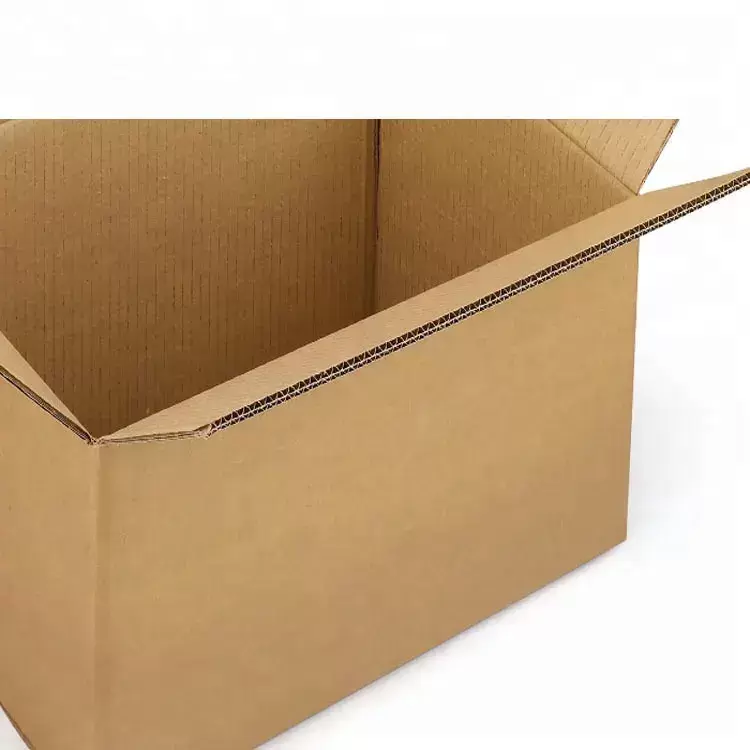
3. Corrugated Boxes Provide Cushioning and Compression Resistance
Corrugated packaging boxes provide a structural advantage through the use of a fluted
paper medium between flat liner sheets. The fluted layer creates depth and enclosed air
spaces that can improve cushioning and compression performance.
Corrugated boxes are therefore commonly used for:
- Parcel delivery
- Wholesale distribution
- Export packing
- Industrial products
- Food and beverage transport
- E-commerce fulfillment
- Master cartons containing retail boxes
The advantage is not determined by flute size alone. Corrugated performance also depends
on liner composition, board construction, box dimensions, product weight, moisture,
stacking pattern and the location of openings or hand holes.
depth and cushioning.
4. Packaging Boxes Support Efficient Storage
Many packaging boxes can be stored in flat form before use. Folding cartons, corrugated
cases and some collapsible rigid boxes occupy less warehouse volume before assembly
than fully formed containers.
Flat storage can provide several operational advantages:
- Reduced warehouse volume before packing
- Easier bundling and counting
- Efficient movement to the packing line
- Lower risk of crushing empty assembled boxes
- More units per pallet or export carton
- Flexible assembly according to production demand
This advantage is strongest for structures designed specifically for rapid erection.
Some premium rigid boxes are supplied fully assembled and therefore do not provide the
same storage efficiency. Collapsible magnetic boxes can reduce volume, but they may
require more complex assembly.
5. Packaging Boxes Improve Transportation Efficiency
Rectangular and square boxes create regular transport units that can be arranged on
shelves, pallets, conveyor systems and vehicles. Regular geometry makes it easier to
calculate load quantities and reduce unused space.
Transportation efficiency is affected by:
- External box dimensions
- Product-to-package ratio
- Number of retail units per master carton
- Cartons per pallet layer
- Number of pallet layers
- Total packed weight
- Stacking strength
- Empty space inside the box
Right-sized packaging can reduce void fill and dimensional shipping volume. However,
reducing size too aggressively may remove the clearance required for cushioning and
increase product damage.
Transportation efficiency is achieved through dimensional optimization, not simply by
making the box as small as possible.
6. Packaging Boxes Standardize Handling
Packaging boxes create repeatable handling units. A standardized box can be identified,
scanned, counted, stacked, labeled and transferred through a supply chain more reliably
than an irregular loose product.
Standardization can support:
Warehouse Operations
Consistent dimensions simplify shelving, location planning and inventory
movement.
Automated Systems
Regular box shapes can be compatible with conveyors, case erectors, sealers and
labeling equipment.
Manual Packing
Defined folding and closing sequences reduce variation between workers.
The advantage depends on structural simplicity and dimensional consistency. A box with
too many manual components may slow the packing operation even if it provides strong
visual presentation.
7. Packaging Boxes Provide Large Printable Surfaces
One major advantage of paper-based packaging boxes is the availability of broad, flat
surfaces for printing. These surfaces can carry branding, product information,
instructions, barcodes, warnings and market-specific text.
Printed packaging can communicate:
- Brand identity
- Product name and model
- Usage instructions
- Ingredients or material information
- Barcodes and traceability codes
- Handling and storage instructions
- Safety warnings
- Language-specific market information
- Disposal or recycling guidance
- Customer-service information
Packaging therefore functions as a physical information interface between the producer,
distributor, retailer and final user.
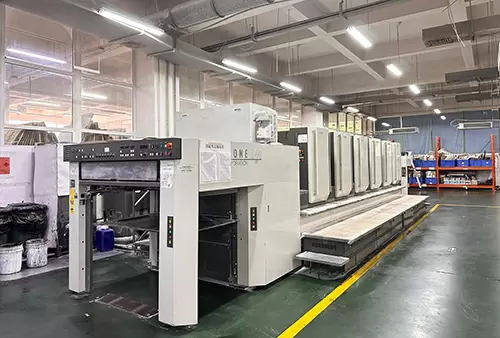
information and regulatory communication.
8. Packaging Boxes Support Brand Recognition
Packaging boxes can create visual consistency across product ranges. Repeated use of
color, typography, structure and finishing helps buyers recognize the brand before they
read the complete product description.
Brand recognition can be supported through:
- Consistent logo placement
- Defined brand colors
- Repeated structural proportions
- Coordinated paper boxes and paper bags
- Interior printing
- Foil stamping or embossing
- Distinctive opening methods
- Product-family labeling systems
The branding advantage is not limited to luxury products. A simple one-color corrugated
box can also communicate brand identity when its graphics are clear and consistent.
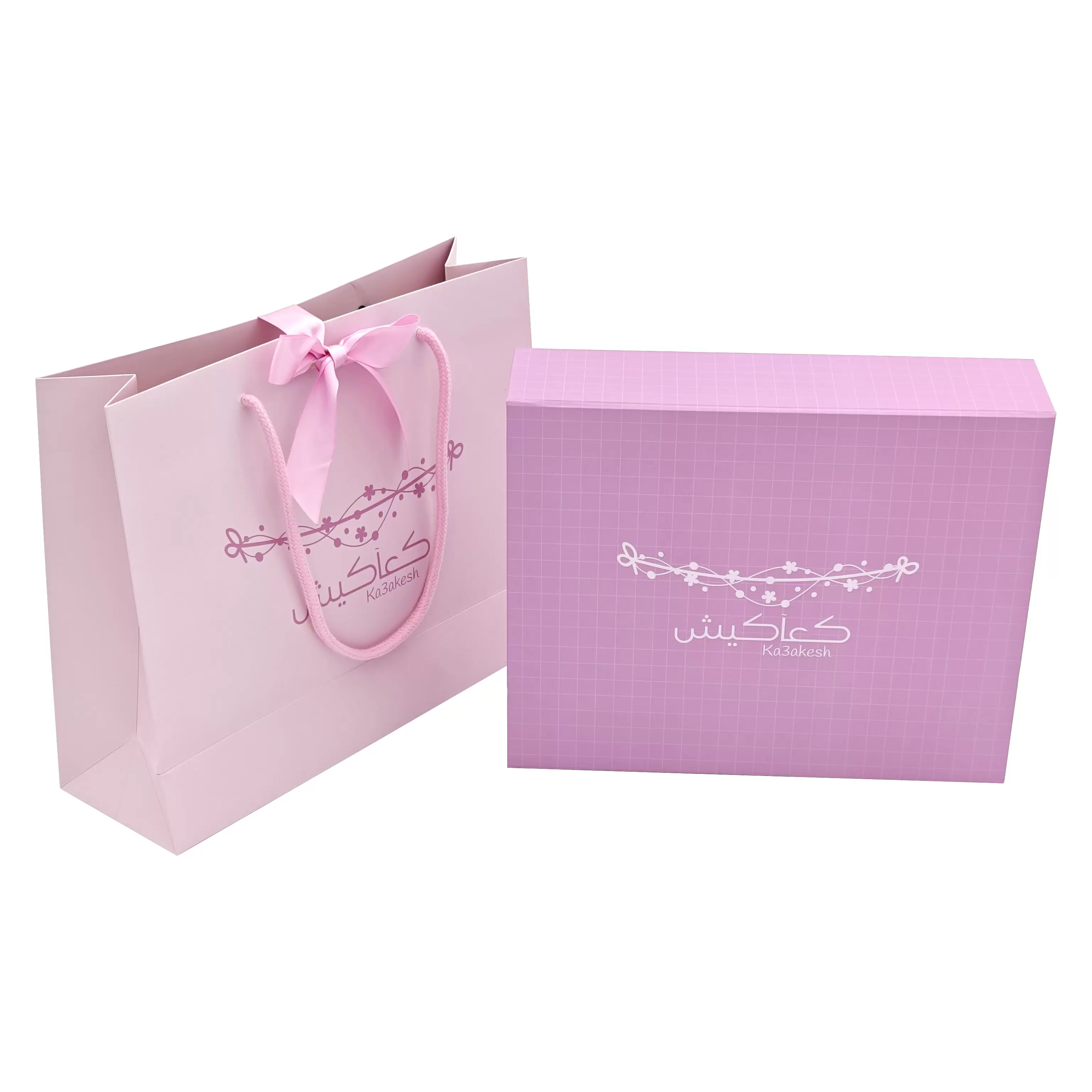
across retail and gift-packaging applications.
9. Packaging Boxes Improve Retail Presentation
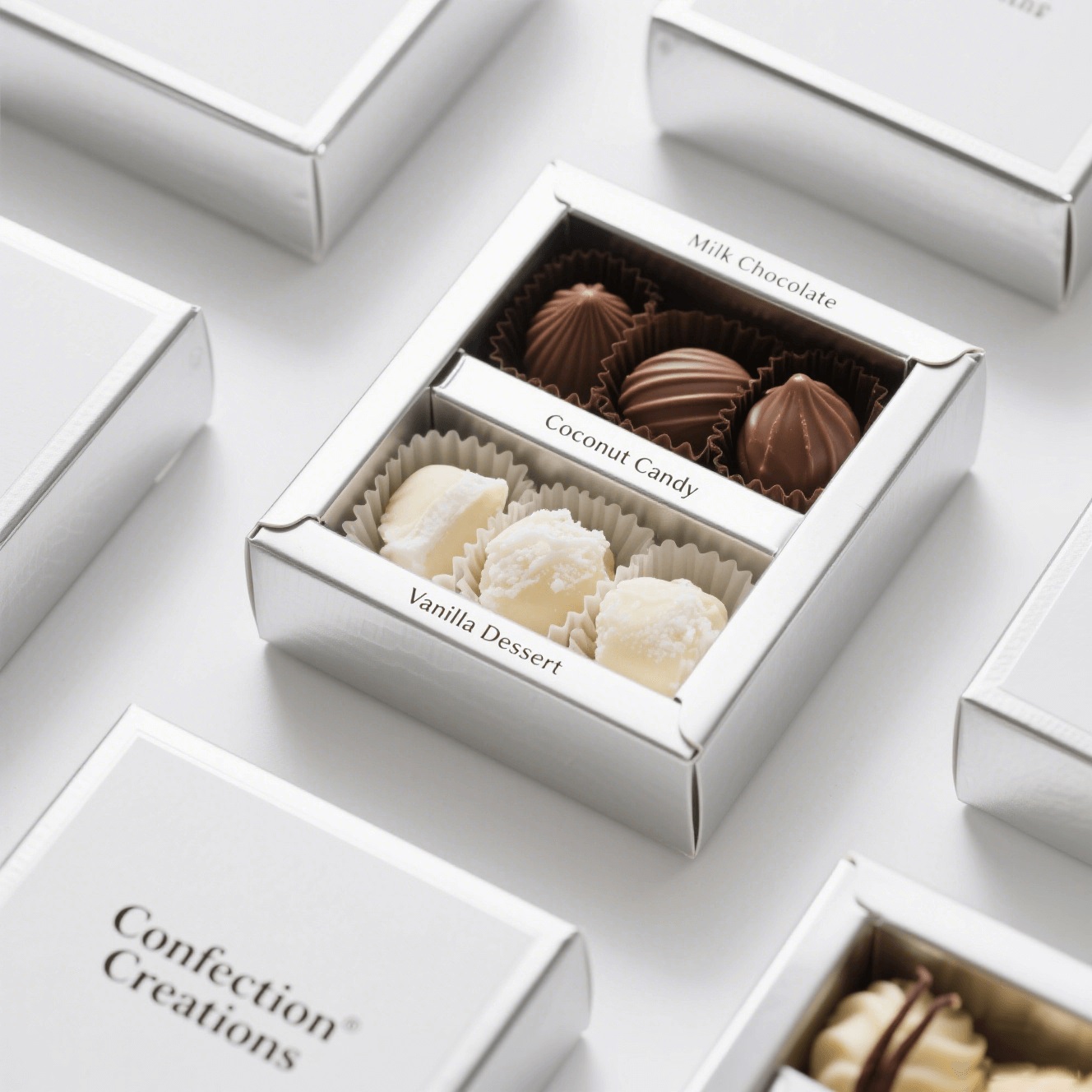
Packaging boxes create a controlled visual boundary around a product. This can make
different products appear organized and comparable on a retail shelf.
Retail-presentation advantages include:
Defined Shelf Footprint
Standardized dimensions support shelf planning and reduce irregular product
placement.
Information Visibility
Front, side and rear panels provide space for product descriptions and
identifiers.
Product Concealment
The box can protect the product from dust, fingerprints and visual damage before
purchase.
Product Differentiation
Structure, color and surface finishing can distinguish product ranges at the
point of sale.
Display boxes provide an additional advantage by organizing several units together.
Some corrugated display structures can also convert from shipping packaging into an
open retail display.
10. Packaging Boxes Can Improve the Unboxing Experience
Unboxing describes the sequence through which a user opens the package, sees the
product and removes its components. Packaging boxes can control this sequence through
lids, drawers, flaps, ribbons, inserts and interior printing.
A controlled opening sequence can:
- Present the product in a defined orientation
- Reveal information in a planned order
- Separate accessories from the primary product
- Reduce product movement during opening
- Make removal more intuitive
- Support reuse or product storage
The unboxing advantage should not be achieved by adding unnecessary layers. A complex
package may create a memorable opening but also increase material use, packing labor
and disposal difficulty.
11. Mailer Boxes Combine Shipping and Presentation
Mailer boxes provide a specific advantage in e-commerce because one structure can
perform both a shipping function and a presentation function. A corrugated mailer can
protect the product during delivery while providing printed interior surfaces for
brand communication.
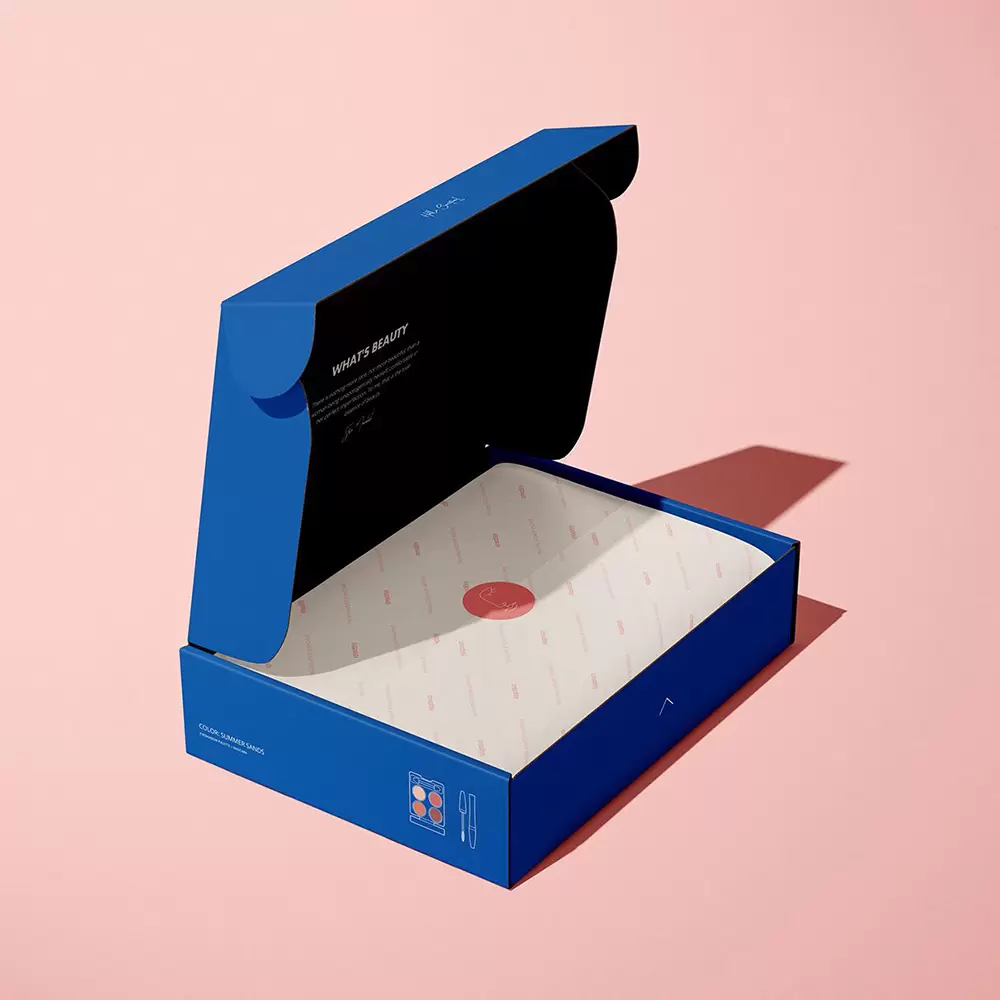
presentation.

This dual function can reduce the need for a separate retail box and shipping carton in
some applications. It is not appropriate for every product, particularly where the
contents are heavy, highly fragile or sensitive to moisture.
12. Packaging Boxes Allow Structural Customization
Paperboard, corrugated board and rigid board can be cut, creased, folded, wrapped and
joined into many structures. This provides a high degree of dimensional and functional
customization.
Structural customization can include:
- Custom length, width and height
- Straight or reverse tuck closures
- Separate lid and base structures
- Drawer and sleeve structures
- Magnetic closure lids
- Self-locking mailer panels
- Windows and display openings
- Handles and carrying features
- Integrated dividers
- Custom product inserts
Custom sizing can reduce empty space and improve product stability. However, custom
structures require accurate dimensions, prototyping and tooling. A poorly measured
custom box may be less functional than a correctly selected standard structure.
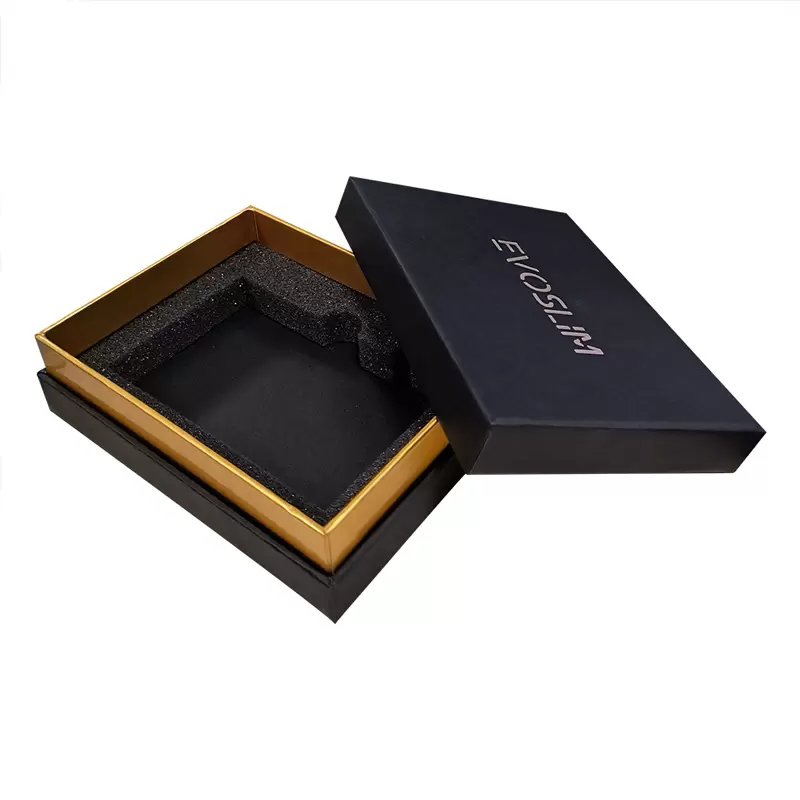
13. Inserts and Partitions Improve Product Organization
Inserts and partitions are important extensions of packaging boxes. They can divide the
internal space into functional zones and support products in a defined position.
The advantages of internal packaging components include:
-
Reduced internal movement. The product is less likely to slide or
collide with the box walls. -
Separation of components. Accessories, bottles, cables or multiple
products can be kept apart. -
Improved weight distribution. Support can be placed beneath heavier
sections of the product. -
Improved presentation. The product remains in a planned visual
position when the box is opened. -
Efficient assembly. A well-designed insert can guide workers toward
the correct product orientation.
The insert should be treated as an engineering component rather than decorative empty
space. Its performance depends on product geometry, material, contact area and assembly.
14. Packaging Boxes Support Surface Finishing
Paper packaging surfaces can receive a broad range of printing and finishing
treatments. These processes can improve information hierarchy, tactile distinction and
perceived product positioning.
Foil Stamping
Metallic or colored foil can emphasize logos, borders and selected design
elements.
Relieve
Raised surface details add tactile differentiation without requiring additional
printed colors.
Grabado en relieve
Recessed details can create subtle visual and tactile contrast.
Barniz UV selectivo
Selective gloss can contrast with matte areas and highlight specific graphics.
Textura
Textured paper can change visual depth and surface feel.
Interior Printing
Inner surfaces can carry instructions, messages or product information.
Finishing advantages depend on compatibility with the selected paper, coating and box
construction. Foil, embossing and spot UV may behave differently on smooth, uncoated
and textured materials.
15. Packaging Boxes Can Support Color Consistency
Packaging boxes provide repeatable surfaces for brand color and product-family
identification. When paper, ink, printing conditions and inspection methods are
controlled, packaging can support consistent visual presentation across production
batches.

conditions are defined.
Color consistency is influenced by the paper surface, paper whiteness, ink absorption,
printing process, coating and lighting. Packaging boxes provide a stable communication
medium, but they do not remove all sources of color variation.
16. Packaging Boxes Can Improve Packing Efficiency
A well-designed packaging box can guide the packing process. Defined folds, locking
tabs, inserts and closures can make the required product orientation clear to workers.
Packing-efficiency advantages may include:
- Reduced uncertainty during product loading
- Consistent accessory placement
- Faster closing and sealing
- Lower dependence on additional tape
- More consistent final appearance
- Fewer packing errors
- Easier inspection of completed units
Complex structures can also increase labor. The advantage is strongest when the box is
designed around the actual packing method rather than only around appearance.
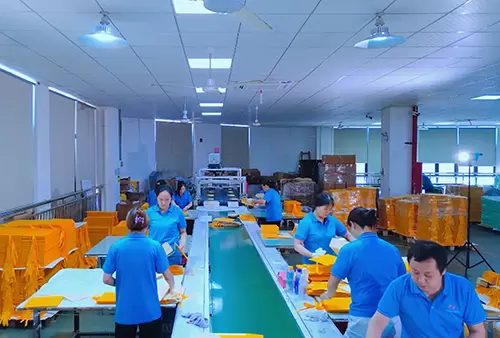
packing.
17. Packaging Boxes Support Scalable Manufacturing
Packaging boxes can be produced through repeatable printing, die-cutting, creasing,
folding, gluing and forming processes. Once a structure and specification are approved,
production can be repeated across a defined quantity.
Scalable manufacturing can provide:
- Consistent structural dimensions
- Repeatable artwork placement
- Standard folding and gluing locations
- Predictable packing configuration
- Consistent carton and pallet quantities
- Documented inspection criteria
Consistency does not mean that every package will be mathematically identical.
Paper-based materials respond to moisture, pressure and production conditions.
Manufacturing tolerances should therefore be defined according to the actual product
and box structure.
18. Packaging Boxes Can Be Prototyped Before Production
Another advantage of paper-based packaging is that structural prototypes can be
prepared before mass production. A sample can be cut, folded and assembled to evaluate
dimensions, closure, loading and insert fit.
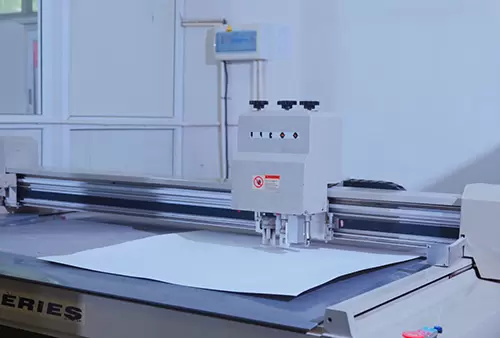
evaluated before mass production.
Sampling reduces uncertainty because a digital rendering cannot demonstrate board
stiffness, closure force, drawer friction, insert pressure or the actual appearance of
printed finishes.
19. Packaging Boxes Can Reduce Total Supply-Chain Cost
Packaging boxes can reduce total cost when they prevent damage, improve storage,
increase packing efficiency and optimize transport space. The cost advantage should not
be judged only by the quoted price of one empty box.
Total packaging cost may include: box production, inserts, tooling,
assembly labor, storage space, transport volume, product damage, replacement
shipments, inspection and material disposal.
A box with a higher purchase price may reduce overall cost if it decreases damage,
requires less void fill or improves packing speed. A cheaper oversized box may increase
freight and warehouse costs.
20. Paper-Based Packaging Boxes Can Support Material Recovery
Many paperboard and corrugated packaging boxes are compatible with established
paper-recovery systems. This is a significant potential advantage compared with some
complex multi-material packaging systems.
Fiber-based packaging can support:
- Use of renewable forest-based raw materials
- Use of recycled fiber where suitable
- FSC-certified sourcing where specified
- Material recovery through paper-recycling systems
- Replacement of some plastic packaging components
- Flat packing to reduce transportation volume
Important qualification: A box is not automatically recyclable in
every location simply because it is made mainly from paper. Films, coatings,
magnets, windows, adhesives, foam and mixed-material inserts may affect recycling.
21. Packaging Boxes Can Be Right-Sized
Custom packaging boxes can be dimensioned around the product, allowing the buyer to
reduce unnecessary internal space. Right-sizing can improve product stability and
transportation efficiency.
Potential right-sizing advantages include:
- Less void fill
- Reduced package volume
- Improved product movement control
- More efficient master-carton packing
- Improved pallet utilization
- Reduced unnecessary material
Right-sizing does not mean eliminating all clearance. Fragile products may require
space for cushioning, edge protection or inserts.
22. Packaging Boxes Serve Multiple Industries
Packaging boxes are adaptable because their material, dimensions and structures can be
modified for different applications.
| Industry | Common box structures | Primary advantage | Important qualification |
|---|---|---|---|
| Cosmetics and perfume | Folding cartons, rigid boxes, magnetic boxes and drawer boxes | Brand communication and bottle presentation | Glass containers may require fitted inserts and shipping cartons |
| Jewelry | Rigid drawer boxes, lid-and-base boxes and magnetic boxes | Product positioning and controlled reveal | Insert contact must not scratch or compress the item |
| Apparel | Mailer boxes, folding gift boxes, rigid boxes and paper bags | Organization, presentation and shipping | Dimensions must reflect the actual garment folding method |
| Food and bakery | Folding cartons, display boxes and corrugated cases | Containment, information and distribution | Direct food-contact and barrier requirements require separate review |
| Electronics | Rigid boxes, folding cartons and corrugated shipping boxes | Accessory organization and movement control | Anti-static performance must not be assumed without verified materials |
| E-commerce | Mailer boxes and corrugated shipping cartons | Combined protection and branded unboxing | Board and closure must match product weight and courier handling |
| Wine and beverages | Rigid gift boxes, tubes, corrugated cartons and partitions | Weight support and bottle separation | Glass products usually require transport-specific protection |
| Retail display | Display boxes, folding cartons and tuck end boxes | Shelf organization and product visibility | Display stability may change as products are removed |
Comparison of Major Packaging Box Advantages
| Packaging advantage | How it is achieved | Most relevant box types | Commercial benefit | Main limitation |
|---|---|---|---|---|
| Product protection | Walls, corners, inserts and partitions | Corrugated, rigid and mailer boxes | Reduced damage and returns | Requires correct product fit and board specification |
| Storage efficiency | Flat-packed or collapsible structures | Folding cartons and corrugated boxes | Lower empty-package warehouse volume | Traditional rigid boxes are often non-collapsible |
| Transport efficiency | Regular geometry and right-sized dimensions | Corrugated boxes and mailers | Improved carton and pallet utilization | Over-reduction can remove protective clearance |
| Brand communication | Printed exterior and interior panels | Folding cartons, mailers and rigid boxes | Recognition and product differentiation | Printing must remain compatible with material and finishing |
| Retail presentation | Controlled structure, colors and opening sequence | Rigid, drawer, magnetic and display boxes | Improved shelf and unboxing presentation | Decorative boxes may still need outer shipping protection |
| Customization | Die-cutting, creasing, wrapping and inserts | All custom box categories | Better product fit and functional differentiation | Requires accurate specifications and sampling |
| Material recovery | Paper-based and corrugated material systems | Folding cartons and corrugated boxes | Potential compatibility with paper recycling | Coatings and mixed components may affect recyclability |
Advantages by Packaging Box Type
Folding Cartons
Main advantages: Low empty-package volume, broad printing area,
efficient folding and suitability for lightweight retail products.
Corrugated Boxes
Main advantages: Cushioning, structural depth, stacking
capability and suitability for shipping and distribution.
Rigid Boxes
Main advantages: Dimensional stability, premium presentation,
fitted inserts and controlled opening.
Cajas de correo
Main advantages: Combined shipping and presentation,
self-locking construction and interior printing.
Drawer Boxes
Main advantages: Progressive product reveal, internal
organization and reusable appearance.
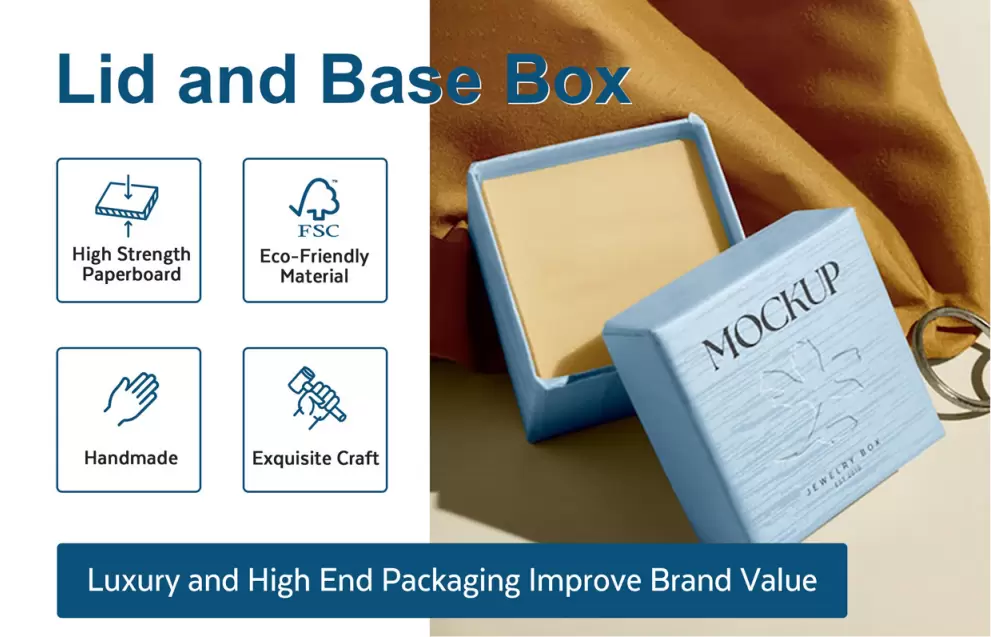
Lid-and-Base Boxes
Main advantages: Simple product loading, clean presentation
and flexibility in lid depth and internal support.
A detailed structural explanation can be connected to the website’s
types of packaging boxes
guide.
Advantages Do Not Eliminate Packaging Trade-Offs
Packaging boxes provide many advantages, but no structure is optimal for every product.
Each advantage may create a corresponding trade-off.
Greater Strength
Stronger board may improve protection but increase material weight and cost.
Premium Presentation
Rigid structures and decorative components may increase storage and freight
volume.
Complex Unboxing
Additional layers can improve presentation but increase assembly and disposal
complexity.
Reduced Box Size
Right-sizing can improve transport efficiency but may reduce protective
clearance.
Surface Finishing
Foil, lamination and coatings can improve appearance but affect material
separation.
Custom Structure
Custom boxes can improve product fit but require accurate measurements,
prototyping and tooling.
Academic Evaluation Principle
A packaging advantage should be evaluated against the complete system. Protection,
material use, shipping volume, assembly labor, presentation and end-of-life
handling should be assessed together rather than separately.
How to Obtain the Advantages of Packaging Boxes
The benefits described in this article do not occur automatically. Buyers should provide
sufficient project information and verify the completed package.
-
Define product dimensions accurately. Measure the product in its
packed orientation, including accessories and protective components. -
Record packed weight. Include the product, insert, instructions and
other contents. -
Identify fragility. Determine vulnerable corners, glass surfaces,
protrusions and decorative finishes. -
Define the distribution channel. Retail, e-commerce, wholesale and
international export create different packaging requirements. -
Select a suitable structure. Choose folding, corrugated, rigid,
mailer, drawer or lid-and-base packaging according to function. -
Develop internal support. Use inserts and partitions where movement
control or product separation is required. -
Review packing operations. Confirm how the box will be erected,
filled, closed and packed into outer cartons. -
Approve a physical sample. Verify dimensions, fit, closure,
assembly, print and finishing before production.
A related procurement guide can be connected through
how to choose packaging boxes.
Information Required for a Custom Packaging Project
- Product type and intended application
- Product dimensions in packed orientation
- Product and accessory weight
- Required internal or external box dimensions
- Order quantity
- Preferred box structure
- Retail, e-commerce or wholesale channel
- Destination country
- Shipping method
- Paperboard or corrugated-board direction
- Artwork files and brand colors
- Printing requirements
- Surface-finishing requirements
- Insert and partition requirements
- Certification requirements
- Sample requirements
- Target delivery schedule
How HENGXING Supports Custom Packaging Boxes
Xiamen Hengxing Color Printing Co., Ltd. supports the development of custom paper
packaging, including folding cartons, rigid boxes, magnetic closure boxes, drawer boxes,
lid-and-base boxes, corrugated mailers, paper tubes, paper bags and packaging
accessories.
Confirmed project support includes structural prototyping, custom printing, surface
finishing, assembly and packaging inspection. Custom options may include structure,
dimensions, color, logo, paper direction, inserts, ribbons and handles.
The practical advantage of working with a custom packaging manufacturer is the ability
to evaluate structure, material, artwork, finishing and insert fit as one connected
system rather than as separate purchasing decisions.
Buyers can review
custom packaging solutions
or submit project information through the
custom packaging inquiry page.
Frequently Asked Questions About the Advantages of Packaging Boxes
What are the main advantages of packaging boxes?
The main advantages are product containment, protection, storage efficiency,
standardized handling, printable communication surfaces, structural customization,
retail presentation and compatibility with inserts and paper-based material
systems.
How do packaging boxes protect products?
Packaging boxes protect products by creating physical separation from external
objects, distributing loads and supporting inserts that reduce movement, impact,
rubbing and collision inside the package.
Why are corrugated boxes suitable for shipping?
Corrugated boxes use a fluted medium between liner sheets. This structure creates
depth, cushioning and compression resistance, making properly specified corrugated
boxes suitable for transport, stacking and distribution.
How do packaging boxes improve storage efficiency?
Folding cartons and many corrugated boxes can be supplied flat, allowing more empty
boxes to be stored in a smaller warehouse area. Fully assembled rigid boxes provide
less flat-storage efficiency.
How do packaging boxes improve transportation efficiency?
Regular box geometry allows products to be arranged more efficiently in master
cartons, pallets, shelves and vehicles. Right-sized boxes can also reduce void fill
and unnecessary shipping volume.
Why are packaging boxes useful for branding?
Packaging boxes provide broad surfaces for logos, colors, product information,
instructions and decorative finishing. Consistent use of these elements can improve
brand recognition across a product range.
What is the advantage of custom packaging boxes?
Custom boxes can be dimensioned around the product and designed with appropriate
closures, inserts, partitions and printing. This can improve fit, protection,
presentation and packing efficiency.
What is the advantage of a packaging insert?
An insert controls product position, separates components, distributes weight and
creates a planned presentation. It can also make loading and product removal more
consistent.
What are the advantages of mailer boxes?
Mailer boxes can combine corrugated shipping protection with an integrated opening
experience. They also provide interior printing space and may reduce the need for a
separate retail package in suitable applications.
What are the advantages of rigid packaging boxes?
Rigid boxes provide dimensional stability, premium presentation and strong support
for fitted inserts. Their main limitations are increased storage volume, material
use and transportation space.
Are packaging boxes environmentally friendly?
Paper-based packaging boxes may support renewable material use and paper recovery,
but environmental performance depends on material source, package weight, coatings,
inserts, transport efficiency and local recycling systems.
Are all cardboard packaging boxes recyclable?
No. Recyclability depends on the completed package. Plastic films, magnets, windows,
adhesives, foam and metallic components may affect whether a box can be processed
through local paper-recycling systems.
Does thicker packaging always provide more advantages?
No. Greater thickness may increase stiffness but also increases weight, material use,
cost and transport volume. The appropriate structure should provide sufficient
performance without unnecessary material.
Why should packaging boxes be sampled before production?
A physical sample allows the buyer to evaluate product fit, board stiffness,
closure force, insert pressure, assembly, printing and finishing. These properties
cannot be fully confirmed from digital artwork.
What information is needed to order custom packaging boxes?
Buyers should provide product dimensions, packed weight, quantity, preferred
structure, materials, artwork, printing, finishing, inserts, destination country,
shipping method and delivery requirements.
Conclusion
Packaging boxes provide advantages throughout the product supply chain. They contain
products, limit movement, support transportation, organize retail presentation and
create surfaces for printed communication.
Folding cartons provide printing and flat-storage efficiency. Corrugated boxes provide
structural depth and shipping protection. Rigid boxes provide dimensional stability
and premium presentation. Mailer boxes combine transportation and unboxing functions,
while inserts and partitions improve product organization.
Paper-based packaging boxes can also support resource efficiency when they are
right-sized, designed with appropriate material and compatible with local recovery
systems. However, paper content alone does not guarantee sustainable performance.
From a purely academic perspective, the principal advantage of packaging boxes is their
ability to integrate several functions within one engineered structure. The greatest
benefit is achieved when product protection, storage, printing, assembly, logistics and
material use are evaluated together.
Develop a Custom Packaging Box
To evaluate an appropriate packaging structure, provide the product dimensions,
packed weight, order quantity, preferred box type, artwork, paper direction,
surface finishing, insert requirements, distribution channel and destination
country.
Contact HENGXING for custom packaging development
covering folding cartons, rigid boxes, magnetic boxes, drawer boxes, mailer boxes,
paper tubes, paper bags and protective inserts.
Need Custom Eco-Friendly Packaging Boxes for Your Project?
Get factory-direct pricing and technical support from our experts within 24 hours.
Request a Quick Quote