Amazon Gift Box Packaging | Xiamen Hengxing Color Printing
Reference Standard: Project-specific controlled packaging references, supported by relevant material and performance testing standards only when those standards are separately verified for the project.
When amazon gift box packaging records no longer agree, the first task is not to redesign the box or assume that the newest digital file is correct. The practical objective is to determine which physical packaging revision is actually in use, identify where competing references entered the workflow, and restore one authoritative record that every relevant team can follow.
This article is published by Xiamen Hengxing Color Printing Co., Ltd., located at No.6 Yanghe South Rd, Xinyang Industrial Area, Haicang District, Xiamen, Fujian, China 361026. The company’s verified business context includes custom eco-friendly packaging boxes, paper boxes, mailer boxes, rigid gift boxes, paper bags, FSC materials, and OEM/ODM packaging support. That company context does not establish that the specific target product discussed here is manufactured or supplied by the company.
Identify Which Amazon Gift Box Packaging Revision Each Team Uses
When records conflict, begin by identifying every version currently being treated as valid. Record the revision identifier, artwork reference, shipment-data record, label reference, warehouse-facing record, and any physical gift-box sample actually being packed, stored, shipped, or reviewed.
A packaging discrepancy usually becomes difficult to resolve because people are comparing conclusions rather than comparing references. One team may be working from an artwork file, another from a warehouse instruction, another from manually entered shipment information, and another from a physical sample that was approved earlier.
The first investigation should therefore create a simple reference map. For each team or system, capture:
| Workflow Point | Reference to Capture | What to Verify |
|---|---|---|
| Packaging or artwork team | Revision name or file identifier | Which version was treated as approved |
| Warehouse | Current packing reference | Which physical box is actually being used |
| Shipment-data record | Recorded packaging information | Which physical revision the data was based on |
| Labeling workflow | Label or artwork reference | Whether it points to the same revision |
| Physical sample | Identifiable approved sample | Which controlled record describes it |
The important principle is that visibility does not equal authority. A record may appear in an Amazon-related workflow and still be outdated, copied from an earlier project stage, or associated with a different physical revision.
Do not correct records yet. At this stage, changing one system before the discrepancy is understood can create another conflict. Instead, preserve the competing references long enough to reconstruct what happened.
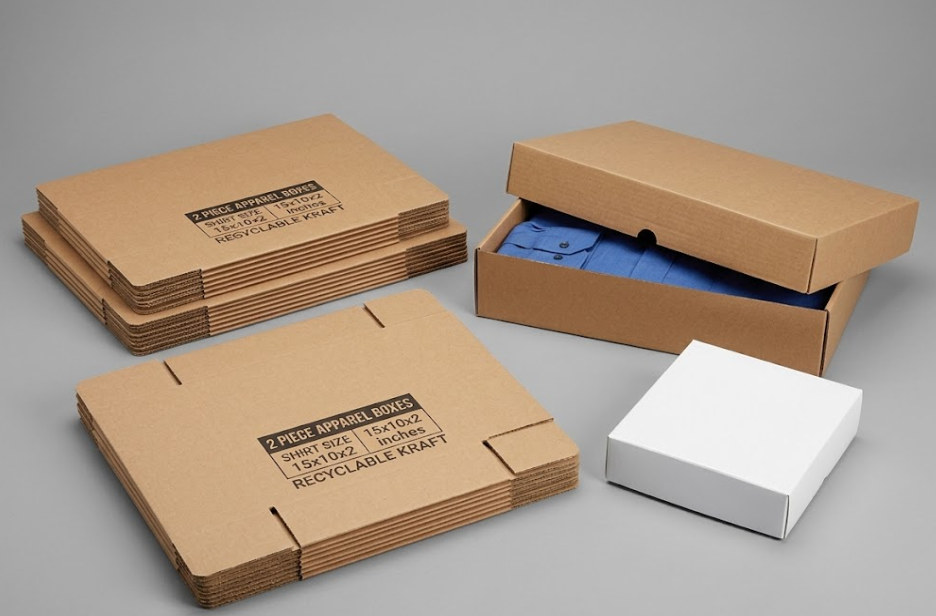
A useful working note should distinguish three things: what each record says, when it entered the workflow, and which physical packaging object it appears to describe. That separation prevents an old but well-documented file from automatically overriding the packaging actually approved for current use.
Trace Where the Conflicting Gift Box Reference Entered the Workflow
Once the competing references are visible, reconstruct their sequence.
Start with the earliest known approved packaging reference and follow each later handoff. Look for the moment when a revision was created, approved, renamed, exported, copied, emailed, uploaded, entered manually, or reused in another operational record.
The discrepancy may originate from several project-specific causes:
- An older artwork or packaging file remained accessible after a later revision was approved.
- A packaging change was approved physically but was not communicated to every downstream record owner.
- A value was copied manually from a superseded record.
- A label or warehouse reference continued to point to the earlier packaging version.
- A current file name was reused for content that had actually changed.
- A physical sample was replaced without a corresponding change to the controlled reference.
- Two teams interpreted the same informal packaging description differently.
The goal is not to assign blame. It is to identify the first traceable divergence between what was approved and what later systems recorded.
For every competing reference, record four events where possible: creation, approval, distribution, and first operational use. This creates a chronological chain. If Revision B was approved after Revision A but the warehouse never received Revision B, the warehouse record may be internally consistent while still being outdated relative to the current project decision.
That distinction matters. A discrepancy is not always caused by a bad record. It may be caused by a broken handoff between two otherwise reasonable records.
Avoid filling gaps with assumptions. If there is no verified evidence that a specific Amazon requirement, packaging tolerance, material, insert, finish, or testing threshold caused the mismatch, do not introduce one. The investigation should remain limited to the references that actually exist in the project.
Signs the Reference Chain Is Already Drifting
- The same packaging description appears with different revision identifiers in different systems.
- A physical gift box cannot be matched confidently to the artwork, label, or shipment record describing it.
- Teams use informal phrases such as “current box,” “new version,” or “Amazon box” instead of one controlled revision reference.
These warning signs should trigger investigation before another operational update is made. Otherwise, a well-intended correction may simply propagate the wrong revision farther downstream.
Compare the Physical Gift Box With the Records That Describe It
Document history alone cannot resolve the problem if nobody confirms what is physically in use.
Locate the gift box currently being packed, stored, shipped, inspected, or reviewed. Then identify every controlled record that claims to describe that exact packaging revision.
This is a matching exercise, not a general packaging specification exercise. The question is not whether the box appears attractive, strong, correctly sized, or compliant with an assumed marketplace requirement. The question is narrower:
Which documented reference corresponds to this physical packaging configuration?
Use project-specific identifiers wherever possible. An approved sample tag, revision label, dated approval record, artwork identifier, internal item reference, or controlled photograph may help establish correspondence. The evidence available will vary by project, so the method should rely only on references that genuinely exist.
Then compare that confirmed physical revision with:
- The artwork or packaging reference.
- The shipment-data record associated with it.
- The labeling reference.
- The warehouse-facing packing record.
- Any approval or change record explaining how the revision entered use.
The investigation becomes much clearer once the physical object serves as the common comparison point. Instead of asking whether Record A and Record B look similar, the team can ask whether both records describe the same verified physical revision.
If the physical box matches one reference but not another, document the mismatch explicitly. For example, the warehouse may be using the current physical revision while shipment data still reflects an earlier record. Alternatively, a digital file may have been updated while the physical packaging in stock remains the previous revision.
Neither situation should be corrected automatically until the project owner confirms which revision is authoritative.
This is also why dimensions, substrates, finishes, inserts, performance claims, and marketplace-specific packaging rules should not be invented during discrepancy resolution. Those characteristics may matter in another packaging decision, but they do not become verified merely because two records disagree.
Resolve the Discrepancy and Establish One Current Reference
Resolution begins only after the authoritative revision has been identified.
The objective is one clearly named current reference shared across the workflow, with enough retained history to explain why older records are no longer valid.
A controlled resolution can follow four steps.
1. Confirm the authoritative revision.
Record the exact reference that has been accepted as current. Tie it to the physical packaging configuration wherever the project evidence allows. Avoid vague language such as “latest box” if a revision identifier or controlled reference exists.
2. Classify every competing record.
Mark each conflicting reference as current, superseded, incorrect, historical, or unresolved according to the project’s own record-control method. Do not delete useful history simply because it is old. Historical information may be necessary to explain how the conflict occurred.
3. Update operational records only after confirmation.
Shipment data, labels, artwork references, warehouse instructions, and other affected records should be updated only after the authoritative packaging revision is settled. This prevents the organization from synchronizing multiple systems to the wrong box.
4. Prevent superseded references from returning to use.
Old files should be clearly distinguished from active ones. The specific method may vary by organization, but the practical requirement is the same: someone searching later should be able to identify which reference is current without reopening the entire discrepancy investigation.
Packaging Reference Resolution Checklist
- Identify every packaging revision currently being used or cited.
- Record the physical gift-box sample associated with each reference where possible.
- Capture artwork, shipment-data, label, and warehouse-facing references separately.
- Reconstruct when each competing reference was created and distributed.
- Find the first point where the records stopped describing the same revision.
- Confirm which physical packaging configuration is authoritative.
- Mark superseded references so they cannot be mistaken for current records.
- Update dependent operational records only after the current revision is confirmed.
- Retain enough revision history to explain the change later.
- Use one controlled current reference for subsequent packaging updates.
The desired outcome is not an invented “Amazon-approved” gift-box specification. It is a documented packaging reference that the relevant teams can identify consistently and trace back to the physical configuration they intend to use.
For broader packaging discussions, readers can explore Xiamen Hengxing Color Printing’s packaging resources. Its verified company context covers custom eco-friendly packaging boxes, paper boxes, mailer boxes, rigid gift boxes, paper bags, FSC materials, and OEM/ODM packaging support. Any discussion of a specific Amazon gift-box project should still be treated as a separate project requiring its own verified requirements and references.
Frequently Asked Questions (FAQ)
How should I change my own box packaging dimensions in Amazon Seller?
First confirm which physical packaging revision is authoritative and which measurement record actually describes it. Only then should seller-entered packaging information be updated through the current Amazon workflow. This article does not assert a specific Seller Central interface path or Amazon packaging rule; the priority is avoiding updates based on the wrong physical revision.
How do I create box packaging design when existing records already conflict?
Resolve the reference conflict before starting a new design cycle. Identify the current physical packaging, determine which controlled record describes it, retire superseded references, and then use the confirmed revision as the starting point for any redesign. Otherwise, the new design may inherit unresolved information from an obsolete version.
Need Custom Eco-Friendly Packaging Boxes for Your Project?
Get factory-direct pricing and technical support from our experts within 24 hours.
Request a Quick Quote