


 +86-0592-5599955
  +86-136-1600-8761
 en
en en
en es
es ru
ru fr
fr de
de it
it ja
ja ar
ar pt
pt ko
ko tr
tr nl
nl fi
fiBiodegradable Packaging: Engineering Sustainability Without Compromising Performance
Dec. 29, 2025
Views:307
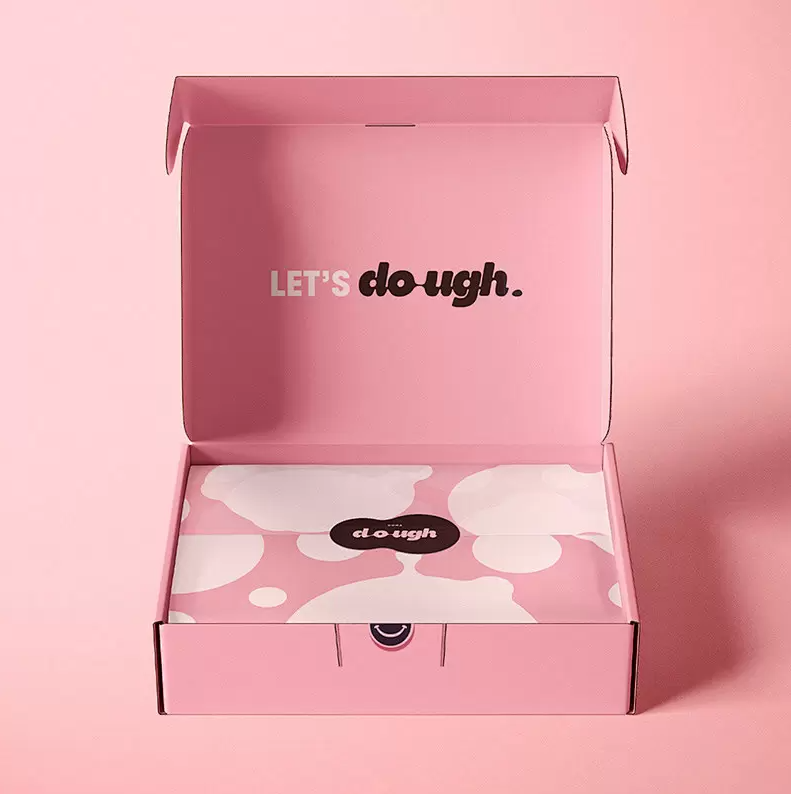
Across global manufacturing and retail ecosystems, biodegradable packaging has shifted from a sustainability add-on to a strategic necessity. Rising regulatory pressure, evolving consumer expectations, and mounting environmental costs of conventional plastics are forcing brands to rethink packaging at a structural level. For manufacturers, logistics operators, and brand owners alike, the question is no longer whether to adopt biodegradable solutions, but how to implement them without compromising performance, scalability, or cost efficiency.
Companies such as HENGXING are responding to this transformation by engineering biodegradable packaging materials that meet industrial demands while aligning with international environmental standards.
Unlike traditional plastics derived from petrochemicals, biodegradable packaging materials are designed to break down through natural biological processes under specific environmental conditions. These materials typically originate from renewable resources and are formulated to decompose into water, carbon dioxide, and biomass without leaving toxic residues.
Common material categories include:
PLA (Polylactic Acid): Derived from corn starch or sugarcane, widely used in food and consumer packaging
PHA (Polyhydroxyalkanoates): Biopolyesters produced by microbial fermentation
Starch-based composites: Often blended to improve strength and moisture resistance
Cellulose and molded fiber materials: Suitable for protective and industrial packaging
Advanced manufacturers such as HENGXING focus on material optimization, ensuring that biodegradability does not compromise tensile strength, barrier performance, or shelf-life stability.


One of the most common misconceptions is that biodegradable packaging lacks durability or functional reliability. In reality, modern formulations are engineered to match—or in some cases outperform—traditional plastic in defined use cycles.
Key performance metrics now achievable include:
High load-bearing capacity for logistics and transit packaging
Oil, grease, and moisture resistance for food-grade applications
Thermal stability for both cold-chain and ambient storage
Customizable degradation timelines based on disposal environments
Through continuous R&D investment, HENGXING aligns material performance with application-specific requirements, allowing businesses to transition without operational risk.
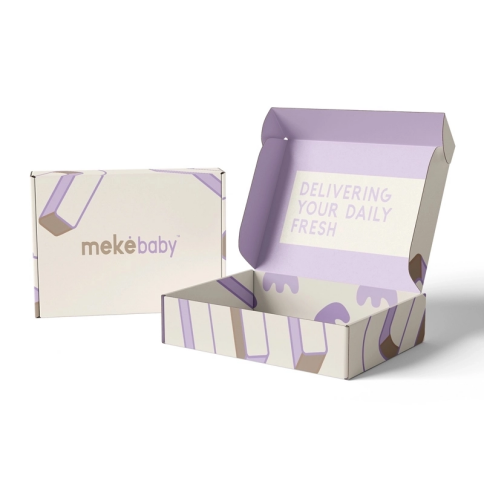
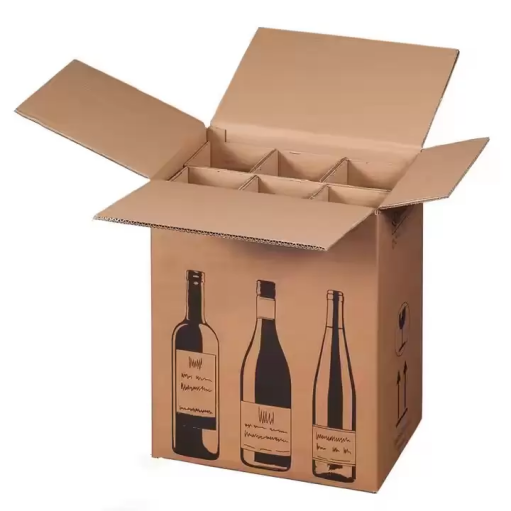
While upfront material costs for biodegradable packaging may appear higher, lifecycle cost analysis often reveals long-term savings. These savings arise from reduced environmental levies, lower waste management fees, and improved brand positioning.
Lifecycle value drivers include:
Reduced carbon footprint and offset costs
Improved supply chain sustainability ratings
Enhanced eligibility for green procurement programs
Increased consumer willingness to pay for sustainable packaging
For B2B buyers, partnering with experienced suppliers such as HENGXING helps balance unit cost with operational efficiency and long-term ROI.
Biodegradable packaging is no longer limited to niche eco-brands. Adoption is accelerating across multiple industries:
Compostable trays, films, and containers with food-contact safety compliance.
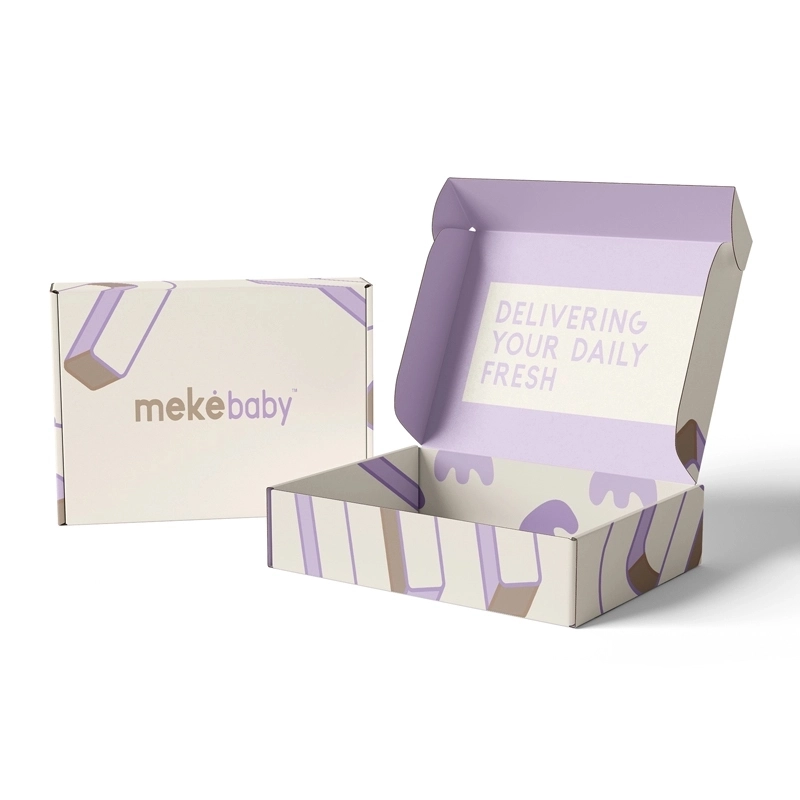
Protective molded fiber inserts and biodegradable mailers that reduce landfill waste.
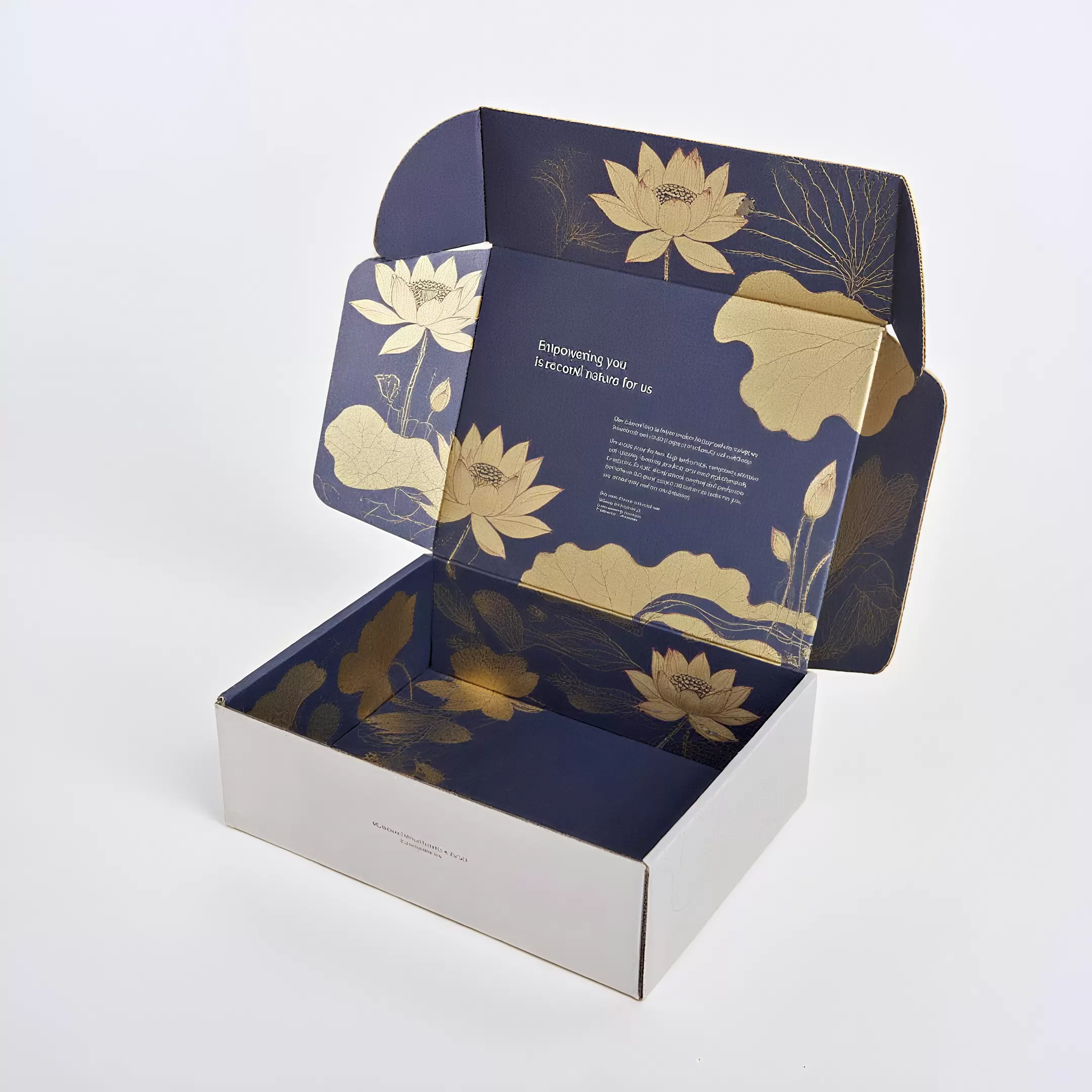
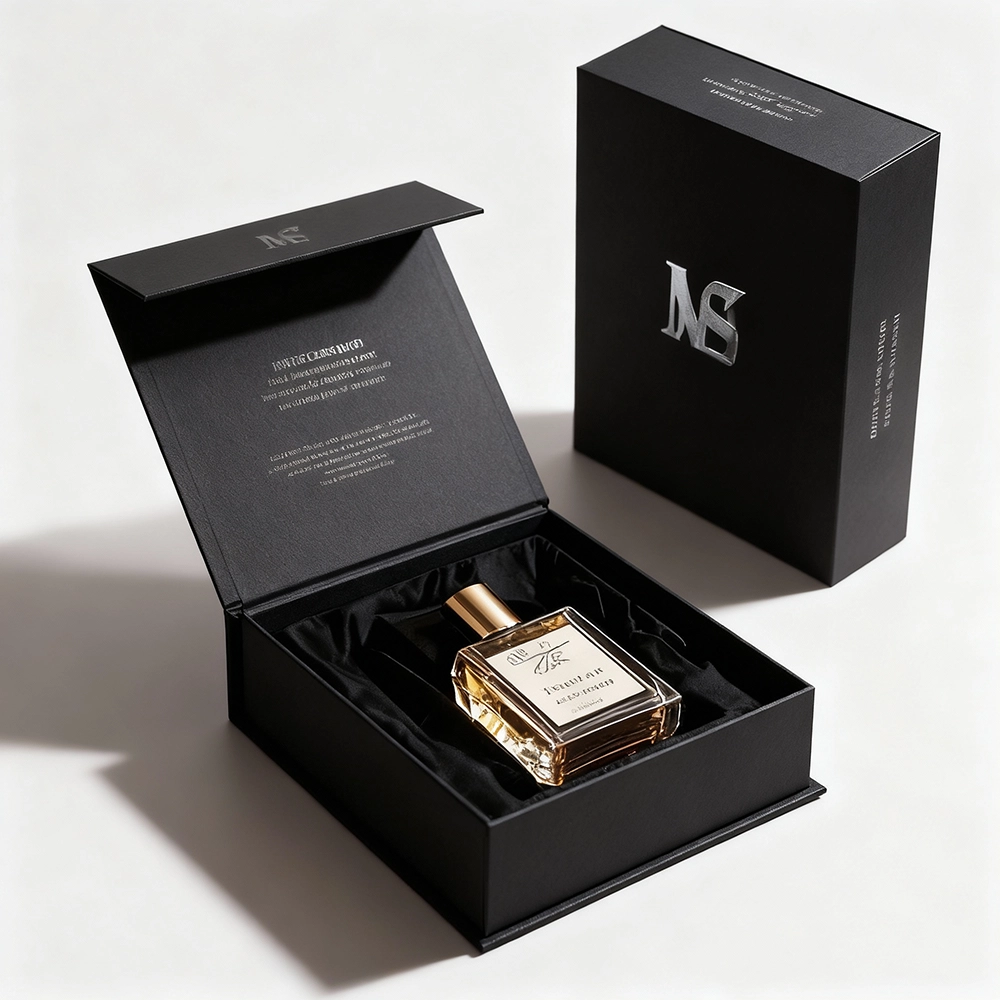
Sustainable retail packaging that enhances unboxing experience while supporting ESG goals.
Biodegradable wraps, liners, and bulk packaging that decompose without contaminating soil.
HENGXING supports customized solutions across these sectors, addressing both functional demands and sustainability targets.

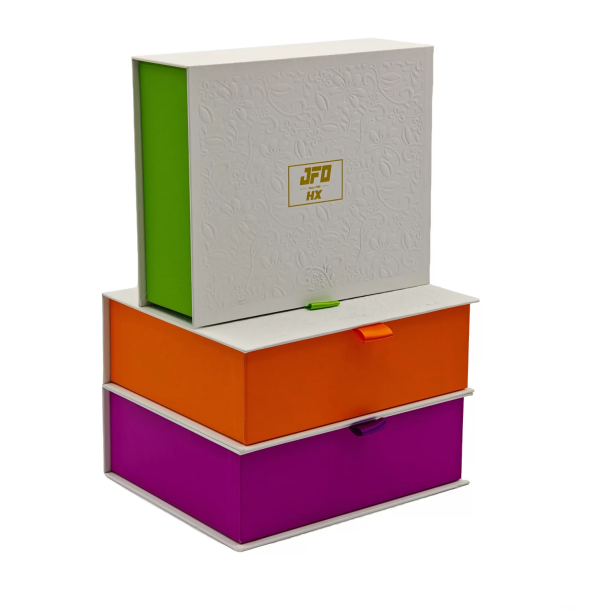
Environmental, Social, and Governance (ESG) metrics increasingly influence investor decisions and corporate valuations. Packaging plays a measurable role in Scope 3 emissions and waste reduction benchmarks.
Biodegradable packaging contributes to:
Reduced plastic pollution impact
Transparent sustainability reporting
Stronger alignment with corporate climate commitments
By integrating biodegradable solutions developed by HENGXING, companies can translate sustainability initiatives into measurable business outcomes.
Biodegradable packaging is no longer a reactive response to regulation—it is a proactive tool for differentiation, risk management, and long-term growth. Businesses that invest early in high-performance biodegradable solutions gain operational resilience and reputational value.
With its focus on material innovation, regulatory alignment, and scalable manufacturing, HENGXING continues to support global partners in building sustainable packaging systems that meet both environmental and commercial objectives.



 Wechat
 Email
Email
 Tel
Tel

 Send Inquiry
  Send Your inquiry Here


